The Everest Base Camp trek is the most famous trekking route in the world, and for good reason. Over about two weeks you walk through Sherpa villages, cross high suspension bridges, pass ancient monasteries and finish at the foot of the tallest mountain on Earth.
It is also a serious high-altitude adventure that needs proper planning. This guide covers everything you need to decide whether the trek is right for you and how to prepare: the day-by-day itinerary, the best time to go, how hard it really is, what’s included in the cost, what to pack and how to train.
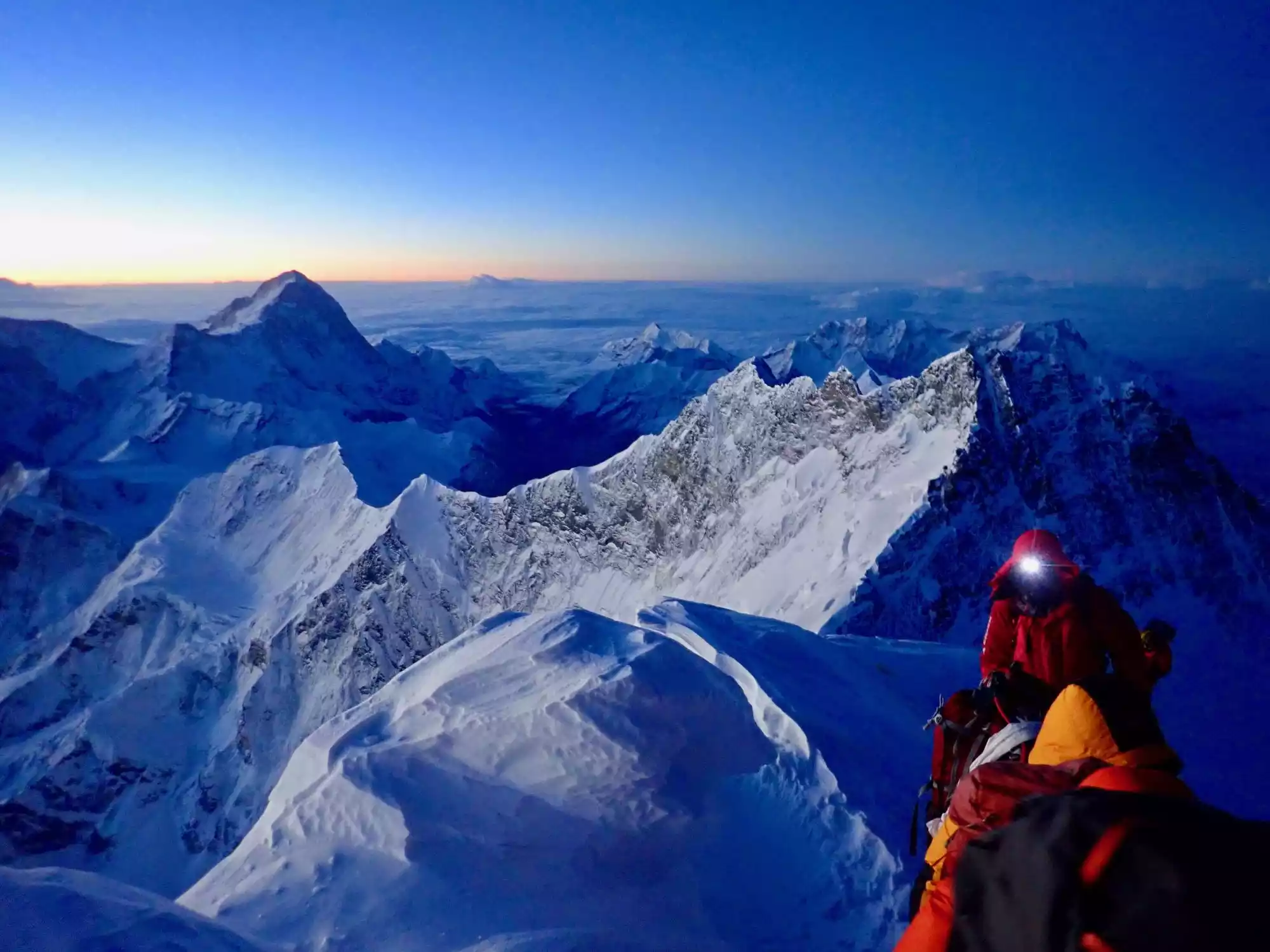
We have been leading Himalayan treks since 2010, and our founders have stood on the summit of Everest themselves. Everything below comes from that experience on the trail.
Everest Base Camp Trek at a Glance
- Duration: 15 days (including buffer days for weather and rest/acclimatisation days)
- Max altitude: 5,545 m at Kala Patthar (Everest Base Camp sits at about 5,360 m)
- Difficulty: Difficult, but non-technical (no climbing skills needed)
- Start and end: Kathmandu, with a flight to and from Lukla
- Stay: Tea houses (Sherpa-run lodges)
- Best months: March to May and late September to November
Ready to book? See our Everest Base Camp trek page for dates, packages and inclusions.
What Is the Everest Base Camp Trek?
The trek follows the classic Khumbu Valley route inside Sagarmatha National Park, a UNESCO World Heritage Site. You fly into Lukla, walk up the valley through Namche Bazaar, Tengboche and Dingboche, and reach Base Camp near the Khumbu Glacier. Most trekkers then climb Kala Patthar for the best close-up views of Everest.
You don’t need mountaineering skills, ropes or crampons. That is why it is such a popular first high-altitude trek. But “non-technical” doesn’t mean easy: the challenge is the altitude, the long walking days and the cold.
Why Trek to Everest Base Camp?
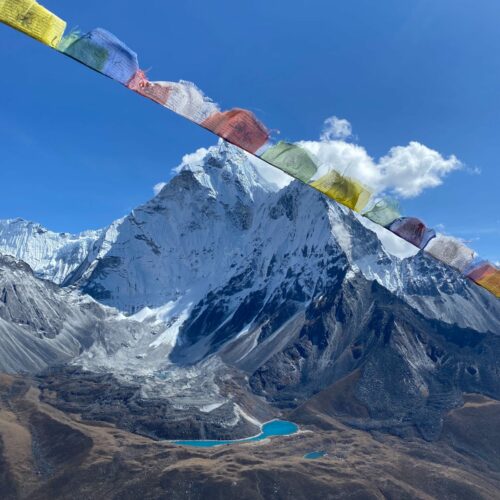
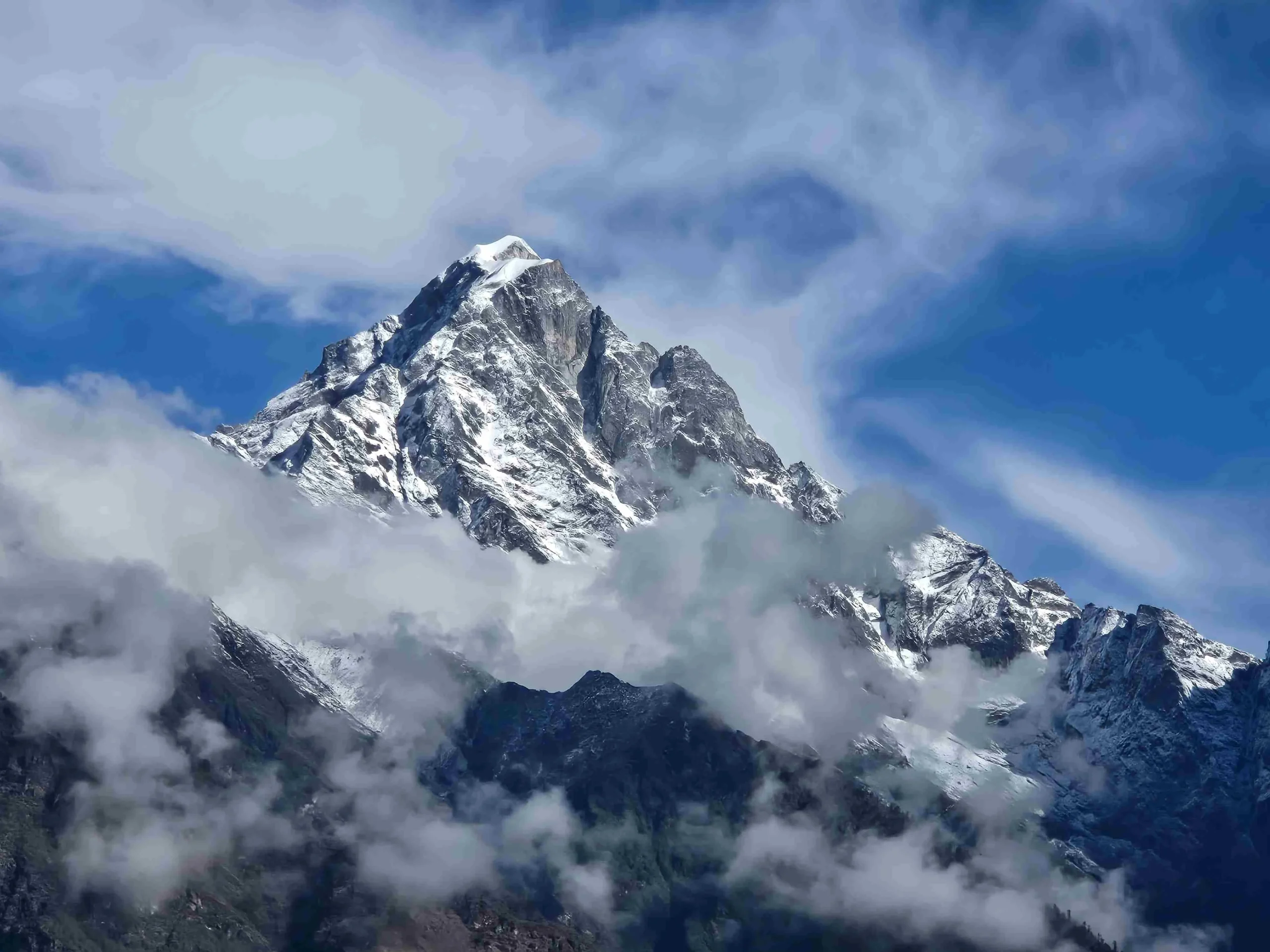
- The views. Everest, Lhotse, Nuptse, Ama Dablam, Pumori, Thamserku and Kangtega are all visible along the route.
- Sherpa culture. You walk through villages like Namche Bazaar and Khumjung and visit monasteries such as Tengboche.
- Comfort in the wild. Tea houses give you a bed, hot meals and a warm dining room every night, with no camping.
- The achievement. Standing at 5,000+ metres in the shadow of Everest is something you keep for life.
Everest Base Camp Trek Itinerary (15 Days)
This is the itinerary we follow on our group departures. It includes two acclimatization days and one buffer day, because good acclimatization is the biggest factor in reaching Base Camp.
| Day | Route | Altitude |
| 1 | Arrive in Kathmandu | 1,400 m |
| 2 | Drive to Ramechap, fly to Lukla, trek to Phakding | 2,660 m |
| 3 | Trek to Namche Bazaar | 3,440 m |
| 4 | Rest and acclimatize, hike to Khumjung | 3,900 m |
| 5 | Trek to Deboche via Tengboche Monastery | 3,870 m |
| 6 | Trek to Dingboche | 4,252 m |
| 7 | Acclimatization hike to Nangkartshang | 5,010 m |
| 8 | Trek to Lobuche | 4,930 m |
| 9 | Trek to Everest Base Camp, stay at Gorak Shep | 5,360 m |
| 10 | Kala Patthar sunrise, descend to Pheriche | 4,200 m |
| 11 | Trek to Namche Bazaar | 3,440 m |
| 12 | Descend to Lukla | 2,810 m |
| 13 | Fly to Ramechap, drive to Kathmandu | 1,400 m |
| 14 | Buffer day for bad weather | |
| 15 | Depart from Kathmandu |
You can see the full breakdown in our brief itinerary. Here are the highlights.
Days 1-2: Kathmandu to Lukla and Phakding
After landing in Kathmandu you spend the day in Thamel. The team leaves around 1 am to drive to Ramechap, where you take an early 30-minute flight to Lukla. Early flights are used because the mountain weather is calmest in the morning. The Lukla flight is one of the trek’s most memorable experiences. You then walk an easy first stretch down to Phakding.
Day 3: Phakding to Namche Bazaar
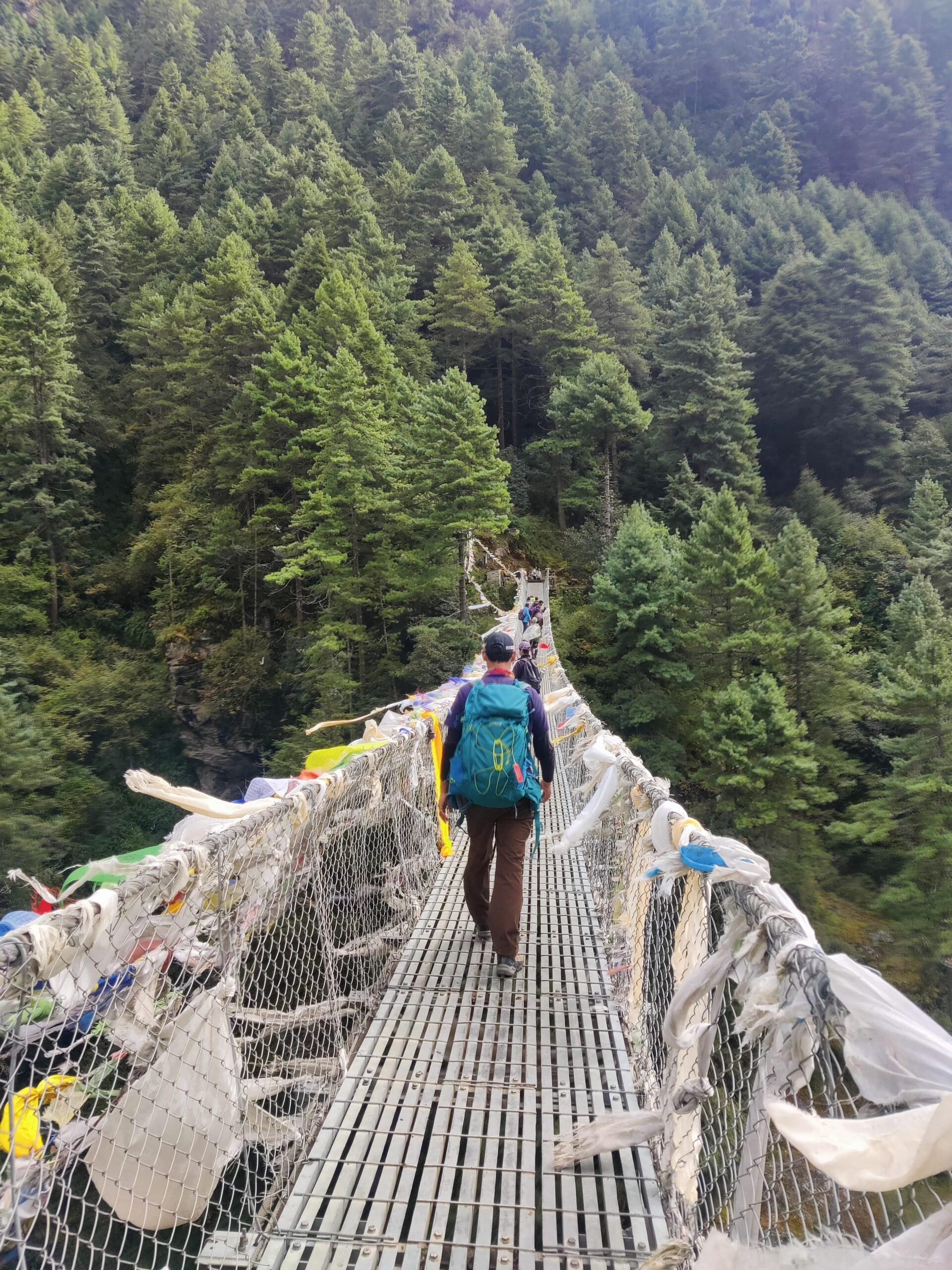
This is one of the longest days. You follow the Dudh Kosi river, cross several high suspension bridges and climb steadily to Namche Bazaar, the Sherpa capital and a lively market town with a bakery and cafes.
Day 4: Acclimatization at Namche
Rest days are not lazy days. We hike up to Khumjung and follow the golden rule of altitude: climb high, sleep low.
Days 5-6: Deboche and Dingboche
The trail dips through rhododendron forest and climbs to Tengboche Monastery, with Everest and Ama Dablam in view. You then continue along the Imja Khola to Dingboche as the landscape opens up above the tree line.
Day 7: Dingboche acclimatization
A short hike to Nangkartshang at 5,010 m gives your body a preview of the altitude to come, and the views of Lhotse, Ama Dablam and Island Peak are superb.
Days 8-9: Lobuche, Gorak Shep and Everest Base Camp
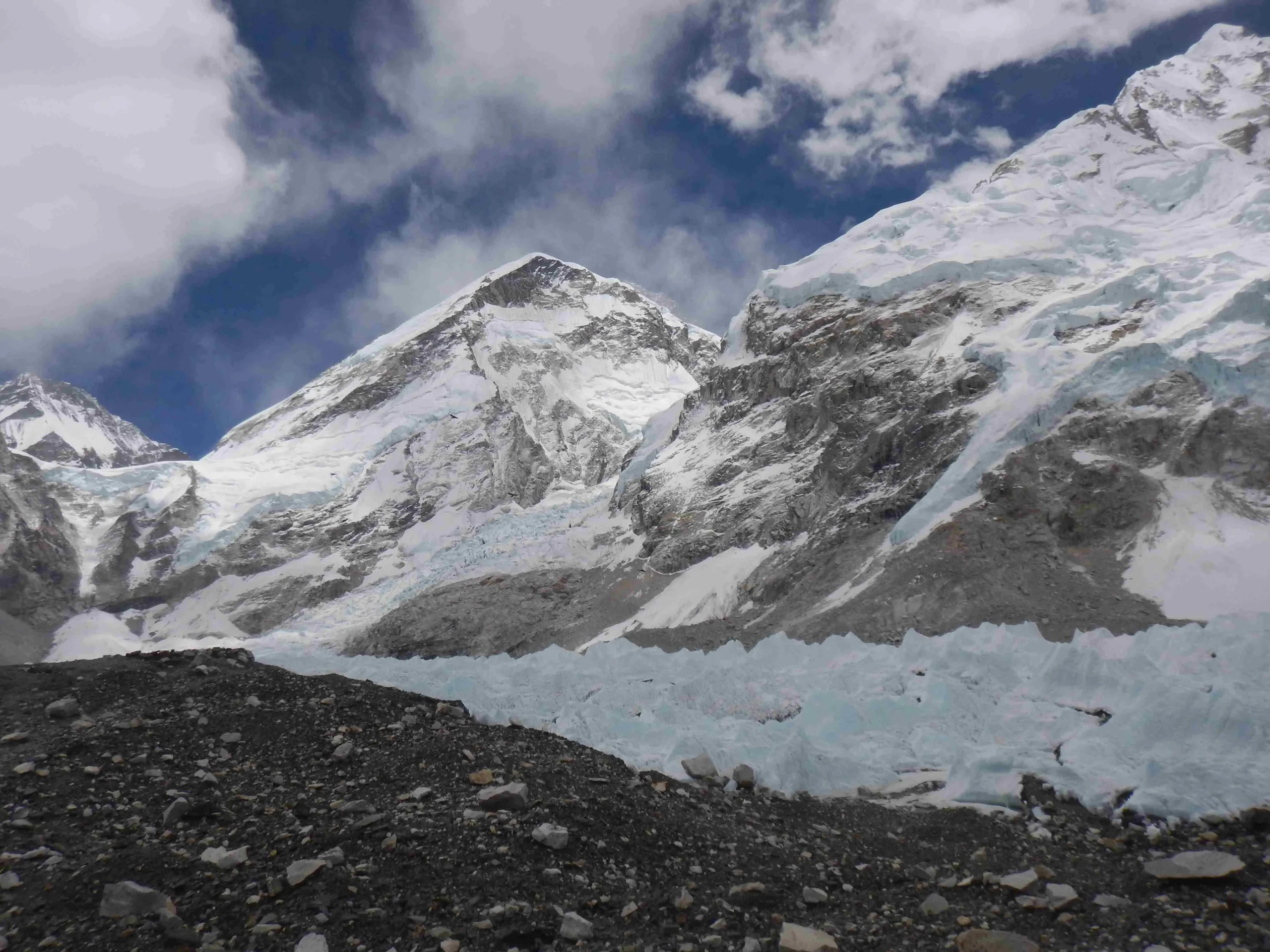
Day 8 takes you past the Thukla pass and the memorials for climbers lost on Everest, across glacial moraine to Lobuche. On Day 9 you trek to Gorak Shep, settle in, then walk on to Everest Base Camp, the highlight of the whole journey. You return to Gorak Shep to sleep.
Day 10: Kala Patthar
For sunrise, the optional pre-dawn climb to Kala Patthar (5,545 m) gives the closest and clearest view of Everest of the entire trek. You then descend to Pheriche.
Days 11-15: Descent and return
The way back is much faster: Namche, Lukla, the flight to Ramechap and the drive to Kathmandu. Day 14 is our buffer for flight delays, which are common in Lukla.
How Difficult Is the Everest Base Camp Trek?
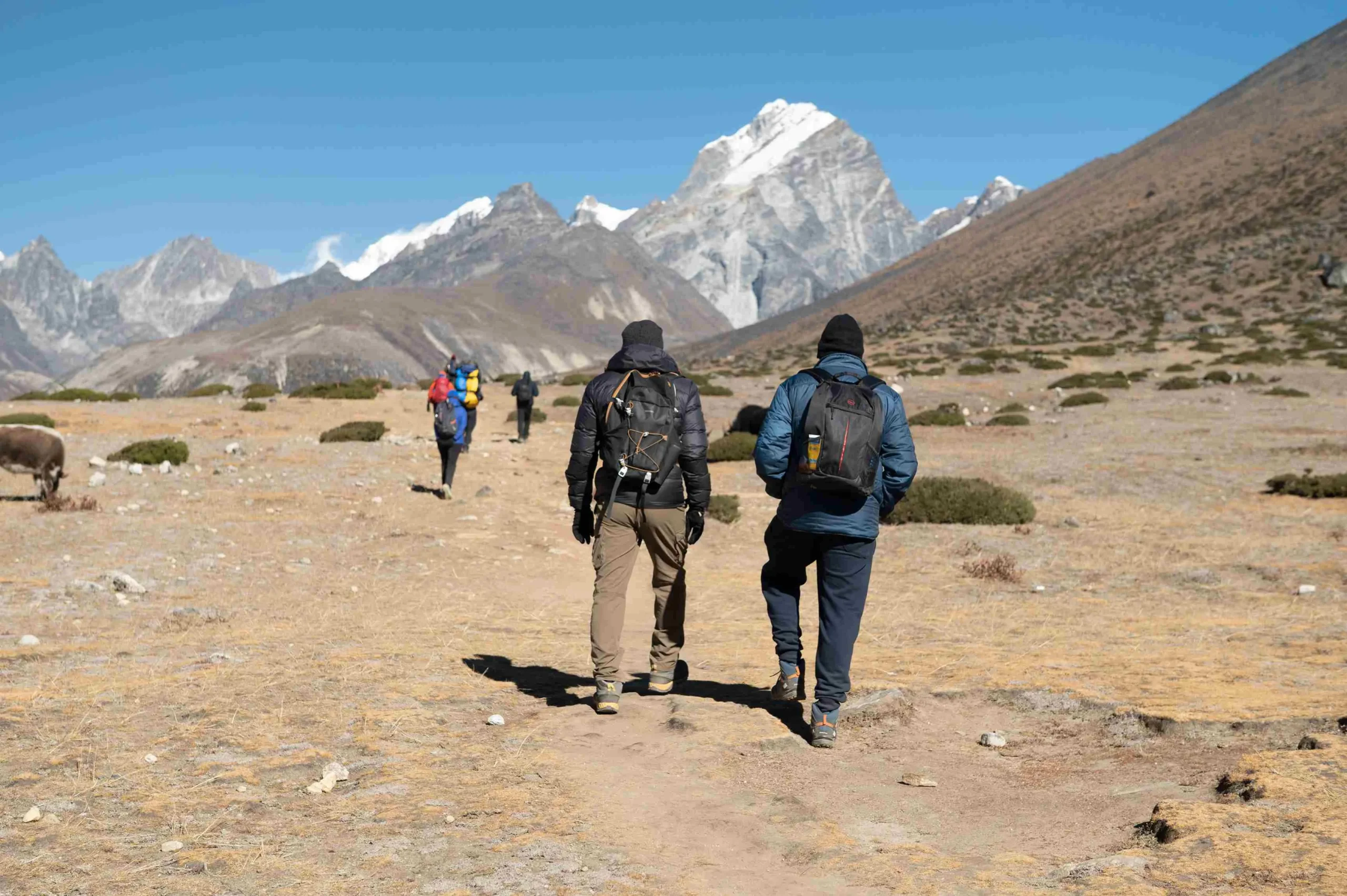
Honestly, it’s demanding. The main challenges are:
- Altitude. You spend several days above 4,000 m and reach over 5,000 m, where oxygen is roughly half of sea-level levels.
- Duration. You walk 4-6 hours a day, day after day, for about 11 days.
- Cold. Nights at higher camps can drop well below freezing.
- Terrain. Stone steps, moraine and steep sections are constant.
The good news is that no technical skills are needed, and a well-planned itinerary with rest days makes it achievable for fit beginners. We have taken people of all different age groups to Everest Base Camp, the youngest trekker being 6 years old and the eldest trekker at 75 years. Read our comparison of Everest Base Camp vs Annapurna Base Camp (Part 1) and Part 2 if you’re deciding between two Nepal treks.
Can beginners do the Everest Base Camp trek?
Yes, if you prepare properly. You don’t need prior trekking experience, but you do need good fitness, a training plan and the right guidance. We give every trekker a personalised fitness plan and use a higher guide-to-client ratio so you can walk at your own pace.
Best Time for the Everest Base Camp Trek
| Season | Months | What to expect |
| Spring | March-May | Warmer days, rhododendrons in bloom, busy trails. Daytime 4-11 °C, nights down to about -10 °C at altitude |
| Autumn | Late Sept-November | Clear skies, stable weather, great views. Daytime 10-16 °C, nights 5 to -12 °C |
| Winter | December-February | Quiet trails but extreme cold (-5 to -15 °C by day) and many tea houses are closed |
| Monsoon | June-August | Rain, cloud, leeches and flight disruptions: not recommended |
Our recommendation: October-November or April-May. Both give the best combination of weather and views.
Our upcoming Everest Base Camp trek dates
- October 2026: 5-19 Oct and 16-30 Oct
- November 2026: 9-23 Nov
- April 2027: 16-30 Apr
- May 2027: 11-25 May
Check availability on our trek calendar.
Everest Base Camp Trek Cost
The cost depends mainly on the operator, the package level, group size and season. Three things affect the price the most:
- Package level. At Adventure Pulse you can choose from Basic, Standard and Luxury packages, which differ in Kathmandu hotels, airport transfers, meals and room type (Luxury includes attached-bathroom rooms where available).
- Flights. The Ramechap-Lukla return flight is a large share of the cost.
- Permits and guides. Good operators include a qualified guide, porters, a trekking permit and a national park permit.
For exact, current pricing, see our Everest Base Camp trek page or contact our team.
What’s usually included
- Qualified trek guide and porters (duffel bag weight limit up to 12 kg)
- Trekking and national park permits
- Return Ramechap-Lukla flights and Kathmandu-Ramechap road transfers
- Tea house accommodation on twin sharing
- Meals and hot drinks on the trek (Standard and Luxury)
- Kathmandu hotel stays and airport transfers (Standard and Luxury)
What’s not included
- International flights
- Lunch and dinner in Kathmandu
- Bottled or boiled water, extra snacks, Wi-Fi and hot showers on the trail
- Tips for staff (mandatory)
- Personal gear and travel insurance
- Helicopter evacuation or charter costs if flights are cancelled
Budget extra for personal expenses on the trail. Wi-Fi and hot showers are paid extras in tea houses, and prices rise as you go higher.
Permits and Documents
You need a Sagarmatha National Park entry permit and a local Khumbu municipality permit. A reputable operator will arrange these. Nepal’s rules change from time to time, so check current requirements with the Nepal Tourism Board before you travel. You’ll also need a valid passport, Nepal visa and travel insurance that covers high-altitude trekking and helicopter evacuation.
Tea House Life: Food, Rooms and Wi-Fi
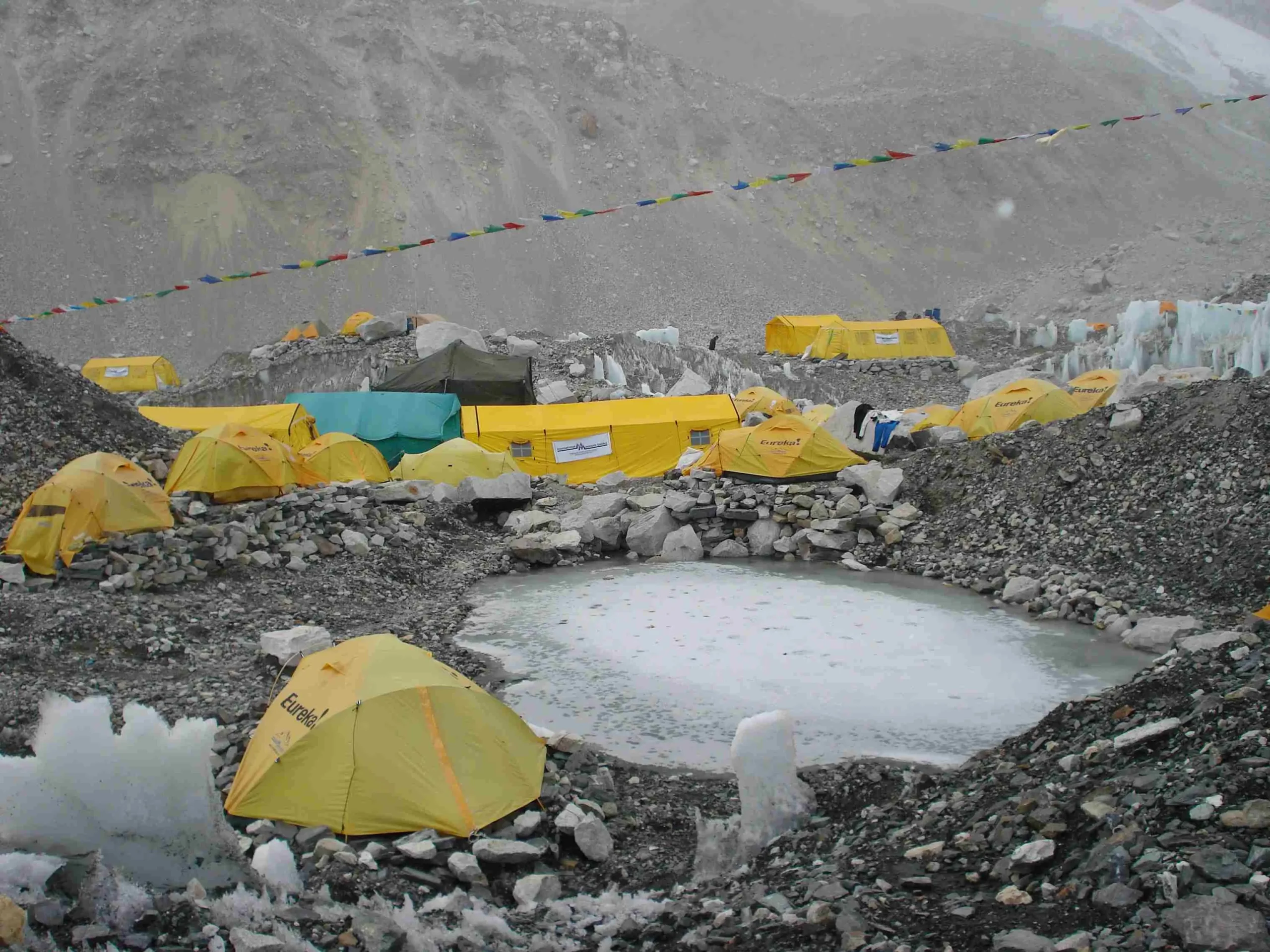
You stay in Sherpa-run lodges, which are far more comfortable than most people expect.
- Rooms: Twin-sharing rooms with beds and blankets. Bring a warm sleeping bag, because it gets very cold at night. Attached bathrooms are rare above Namche.
- Food: Porridge, eggs and toast for breakfast; dal bhat, noodles, fried rice or pizza for lunch; soup, potatoes and noodles for dinner.
- Connectivity: A local Ncell SIM works best in the Khumbu. Tea houses sell Wi-Fi by 24-hour cycles.
- A typical day: Wake at about 6 am, breakfast at 6:30, on the trail by 7-7:30, tea at 11, lunch and arrival at the next tea house by 2-3 pm, dinner at 6-7 pm.
Altitude Sickness: How to Stay Safe
Acute mountain sickness (AMS) can affect anyone, regardless of fitness. Common symptoms include headache, nausea, dizziness and poor sleep. Read the Mayo Clinic’s guide to altitude sickness for medical background. The main rules on the trail:
- Walk slowly (“Bistari Bistari” in Nepali slang)
- Drink plenty of water
- Never skip acclimatization days
- Climb high, sleep low
- Tell your guide immediately about any symptoms
- Descend if symptoms worsen. Never ascend with worsening symptoms.
Our itinerary includes two dedicated acclimatization days, medical fitness checks before departure, regular checks everyday during the trek, a full first-aid kit and experienced guides.
Everest Base Camp Trek Packing List
Layers matter more than heavy gear. Essentials:
Clothing
- Thermal base layers (top and bottom)
- 6-8 quick-dry t-shirts or long-sleeved shirts
- 2-3 trekking pants (no denim)
- Fleece jacket and a down jacket
- Waterproof and windproof shell
- Sun hat, woollen cap and buff
- Liner gloves and warm outer gloves
- Broken-in hiking boots, plus sandals/floaters to use at the teahouse
- Thick woollen socks for nights
Gear
- 60-70 L Duffel bag (max 12 kg for porters and flight)
- 20-30 L daypack
- Sleeping bag (rent or buy in Kathmandu)
- 2 x 1 L water bottles
- Headlamp with spare batteries
- Trekking poles
- Sunglasses, sunscreen, lip balm
- Personal medical kit, sanitizer, toilet paper
- Power bank
Full checklist on the trek page.
How to Train for the Everest Base Camp Trek
Start at least 8-12 weeks ahead. A balanced week looks like this:
-
- Strength training, 3 sessions: squats, step-ups, glute bridges, planks, push-ups
- Cardio, 3 sessions: running, cycling, swimming or HIIT. Being able to run 10 km in about 60 minutes is a good benchmark
- One long hike: 4-8 km on uphill trails with a loaded backpack, in your trekking boots
- Staircase climbing: Climb a multi storey building with a small backpack, increase the duration and number of the floors climbed at every session.
- Rest and stretching: at least 1 day
Consistency and staying injury-free matter more than any single workout.
Why Trek to Everest Base Camp with Adventure Pulse?
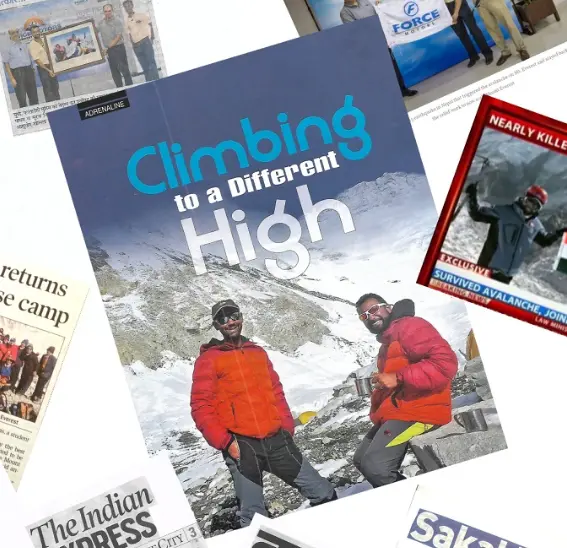
- Led by Everest summiteers. Our founders have climbed Everest multiple times. You get a chance to trek with them on our select departures and get a great insight on the place, people and journey to the base camp. Read our Everest story.
- Experience. We have been leading Himalayan treks since 2010.
- Recognition. We are multiple-time Tripadvisor Travellers’ Choice winners.
- Small groups and personal attention with backpack offloading and group airport transfers.
- Safety first. Well-planned acclimatization, medical checks and buffer days.
Want a private or tailor-made version? Explore our custom treks.
Other Treks and Climbs to Consider
If you want something different, or want to build on your EBC experience:
- Gokyo Lakes Trek, a quieter Everest-region alternative
- Annapurna Base Camp Trek
- Island Peak Expedition and Lobuche Peak Climb, a great next step after EBC (read about climbing Lobuche Peak after the EBC trek)
Frequently Asked Questions
How long is the Everest Base Camp trek?
Our itinerary is 15 days from arrival to departure, with about 11 days of trekking. It includes two acclimatization days and one buffer day.
How high is Everest Base Camp?
Everest Base Camp is at about 5,360 m (17,600 ft). Kala Patthar, the viewpoint most trekkers climb, is at 5,545 m.
Is the Everest Base Camp trek dangerous?
Every high-altitude trek carries risk, mainly altitude sickness. The risk drops sharply with a slow itinerary, acclimatization days, experienced guides and prompt action on symptoms.
Do I need experience to trek to Everest Base Camp?
No technical or prior trekking experience is needed, but good fitness and preparation are essential.
What is the best month for the Everest Base Camp trek?
October-November and April-May give the best weather and visibility.
What if my Lukla flight is cancelled?
Weather delays are common. Our itinerary includes a buffer day, and a helicopter can be chartered at extra cost if delays continue.
Can I use my phone on the trek?
Roaming works for the first few days. After that, buy an Ncell SIM or Wi-Fi in tea houses.
Do I need travel insurance?
It’s not mandatory but recommended. Choose a policy that covers trekking above 5,000 m and helicopter evacuation.
Ready to Trek to Everest Base Camp?
The Everest Base Camp trek rewards preparation. With the right timing, training and team, it becomes an experience you talk about for the rest of your life.
Join our next departure: View dates and book your Everest Base Camp trek or talk to our team and we’ll help you plan.