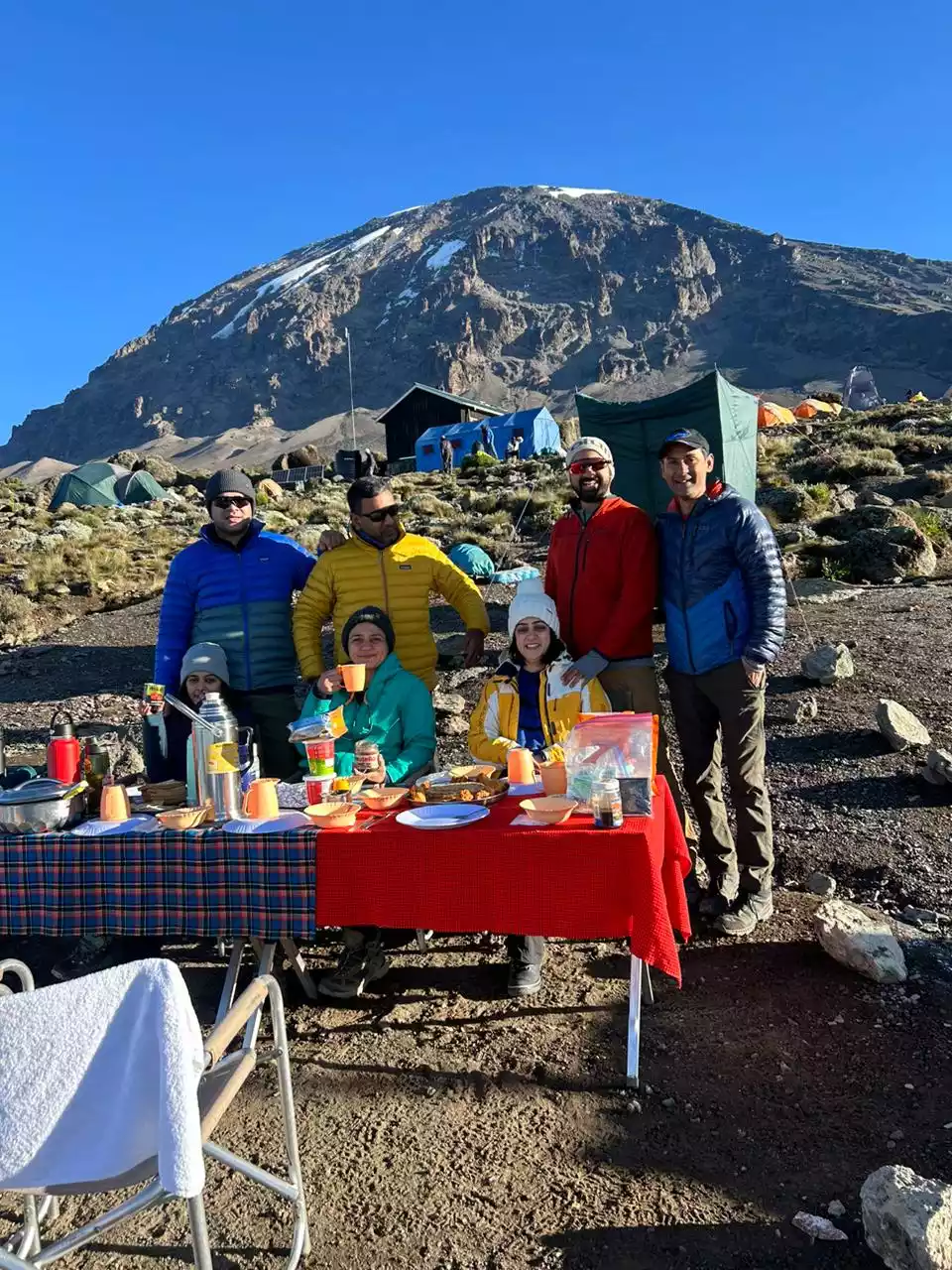
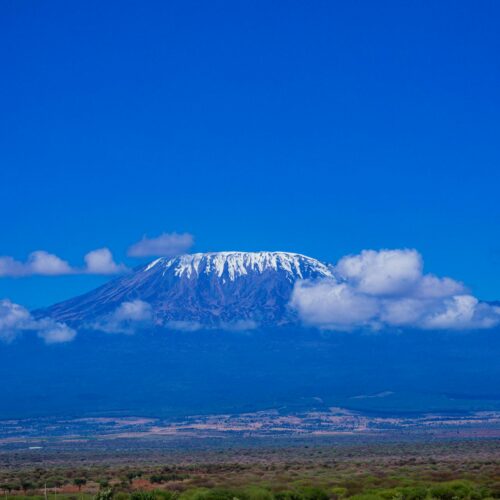
We were woken at 10:30 p.m., the tent shaking vigorously as the guide opened the zip and handed us warm water. We were at Kosovo Camp, roughly 4,870 meters above sea level, ready to conquer the summit of Africa. We had opted for the Macchame route up Kilimanjaro, and after four gruelling days had finally reached the summit night.
I sat hunched in the darkness, putting on my down jacket. After exactly twelve months, we were back on the mountain. I forced myself out of the sleeping bag to eat, leaving the warmth of my cocoon. The entire group had gathered in the dining tent, trying to stuff ourselves before the walk. I ate some porridge and toast, washing it down with warm water. As I began putting on my gear, I realised I had overcompensated for the cold. I donned thermals, a thick base layer, a heavy fleece, my hard shell, and finally a massive down jacket, along with thermal bottoms and insulated trekking pants. I felt ridiculously bulky but preferred it to freezing.
At 12:28 a.m., the main group prepared to head out. There were seven of us, including my father. Standing there in the camp, watching the soft glow of headlamps begin to weave into the darkness, a realisation settled over me. We were actually doing it again. A year earlier, my father and I had walked off this exact mountain empty-handed. Yet here we were, ready to climb once again. Watching his silhouette merge with the scree (a steep area of small loose stones), I felt the familiar nervous flutter in my chest, but alongside it there was also confidence. More than anything, I just felt profoundly happy. It finally felt like the disappointment of last year was finally behind us.
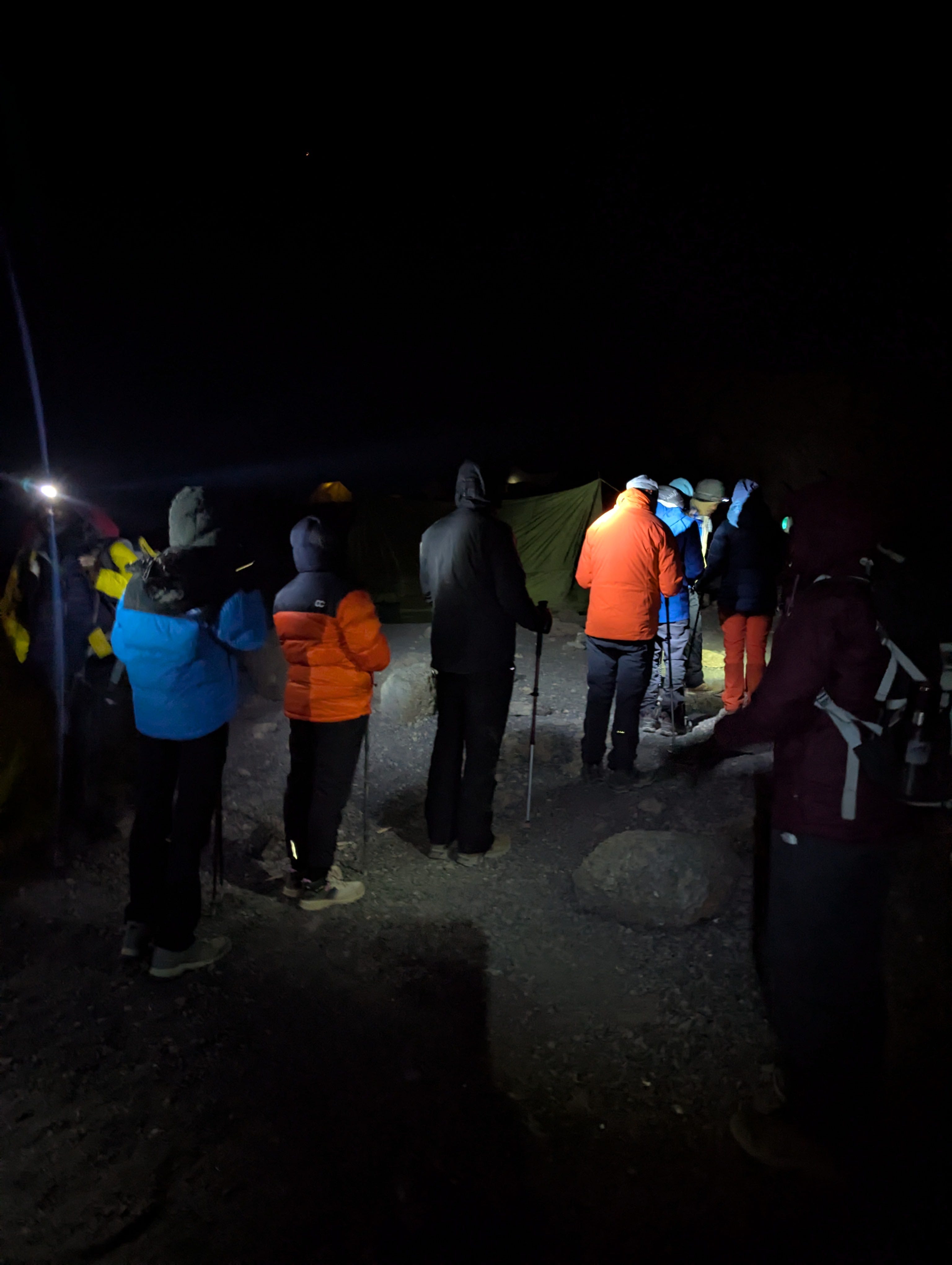
I ended up leaving a little later, as my pace was slightly faster than the others. I stayed behind in camp for over an hour, taking a quick nap and resting some more. I also quickly patched up my shoe, the sole of which seemed to be giving up. At 1:46 a.m., my trek leader, Samir, and I finally took the call and started up the trail.
The conditions were flawless. There wasn’t a breath of wind. The sky was devoid of clouds, and the mountain rose in front of me in all its glory. But the defining feature of the night was the full moon. It hung right above us like a brilliant white floodlight, illuminating the world in a vivid monochrome. It was so intense that within ten minutes, Samir and I clicked our headlamps off, walking simply by moonlight. The surrounding scree slopes, the jagged volcanic ridges, and the distant valleys below were cast in a silvery glow. Only a handful of the brightest stars managed to pierce through the lunar brightness.
Samir and I found an easy, rhythmic pace almost immediately. Coming into this climb, I was leagues fitter compared to our first attempt. Two weeks back, I had summited Mount Elbrus, and that high-altitude rhythm had stayed with me. My legs felt strong, my lungs were able to handle the thin air, and there were none of the creeping symptoms of AMS (Acute Mountain Sickness) that had worn me down the year before.
We talked between deep breaths, joking and checking in. At one point, when the monotony of the scree began to induce the summit drowsiness, he passed me one of his earphones, and we walked to the beat of his playlist.
Around 3:30 a.m., the steady pace paid off. Our team members slowly materialised in front of us and we merged back into the group. The climb was now more of a test of patience rather than one of endurance. Break after break, snack after snack, the mountain didn’t seem to get close to us. Finally, the geography seemed familiar. We had crossed hundreds of rocky outcrops and thousands of patches of scree, yet I felt I had seen this one before. That was when my father remembered – it was the exact patch of ground where, last time, my body had given out and we had made the heartbreaking decision to call the trek.
There were now only thirty minutes up to Stella Point, the place after which the ground plateaus all the way to the summit, but the mountain didn’t make that final stretch easy. The stretch immediately below Stella Point kicks up sharply, turning into a steep, agonising wall of loose scree and broken volcanic rock where you slide half a step back for every step forward.
At roughly 6:30 a.m., my poles struck the flat, rocky plateau of Stella Point.
I looked up at my dad as he stepped up onto the ridge in front of me.
The moment our feet cleared the edge, the weight of the moment hit me. The weight of an entire year – the sting of the first attempt, the weeks of training, the journey back to Tanzania – dissolved into pure, unfiltered joy. We stood there completely overcome with emotions. We hadn’t reached the summit yet, but we had finally crossed the spot after which there was no turning back.
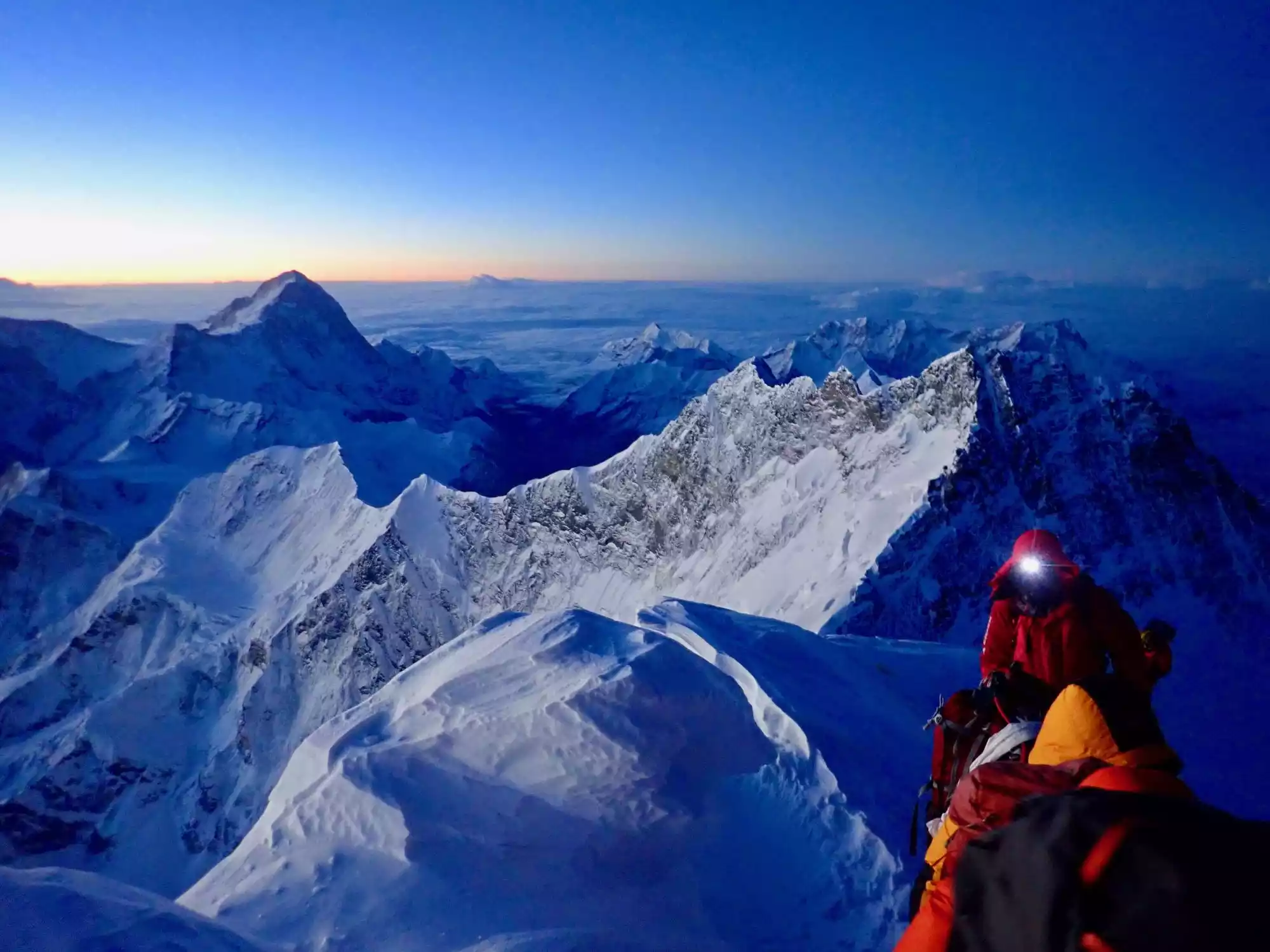
And then, as if on cue, the world lit up. Perched on the jagged lip of the crater rim, we stood suspended in silence, looking out over an endless, rolling sea of clouds that smothered the African plains below. The air was thin and knife-sharp in our lungs, but our attention was still stuck on the horizon, which had begun to fracture. A brilliant pulse of daylight tore straight through the underbelly of the cloud floor, rupturing the silver twilight that the full moon had cast over the night.
What followed was an explosion of molten colour. Fierce ribbons of amber, crimson, and violet bled across the cloud tops, setting the entire sky ablaze. The frost clinging to our jackets began to soften under the sudden rush of heat, burning away the exhaustion that had settled deep into our bones.
It was by far the most breathtaking sunrise I had ever witnessed. Standing at the edge of the sky, watching the dawn forcefully roll back the dark, it felt less like a routine rotation of the earth and more like a sacred reward for enduring the night.
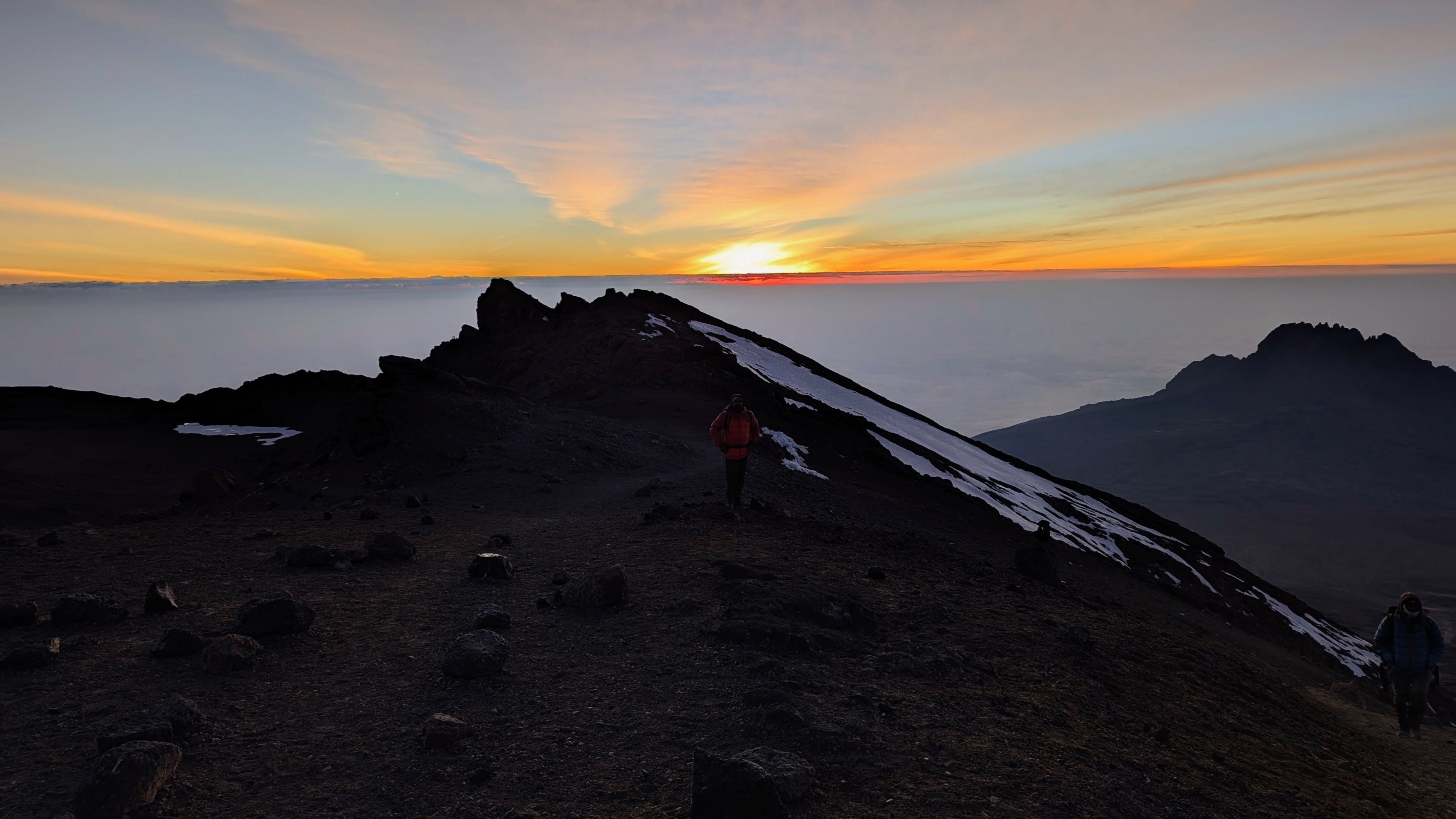
We lingered at Stella Point for nearly half an hour, soaking in the light.
From Stella Point, the trail along the crater rim toward Uhuru Peak leveled out significantly. Physically, it was a gentle incline compared to the punishing wall we had just conquered, but the altitude was real, and our legs carried the fatigue of the long night. We took it deliberately slow, savouring every meter.
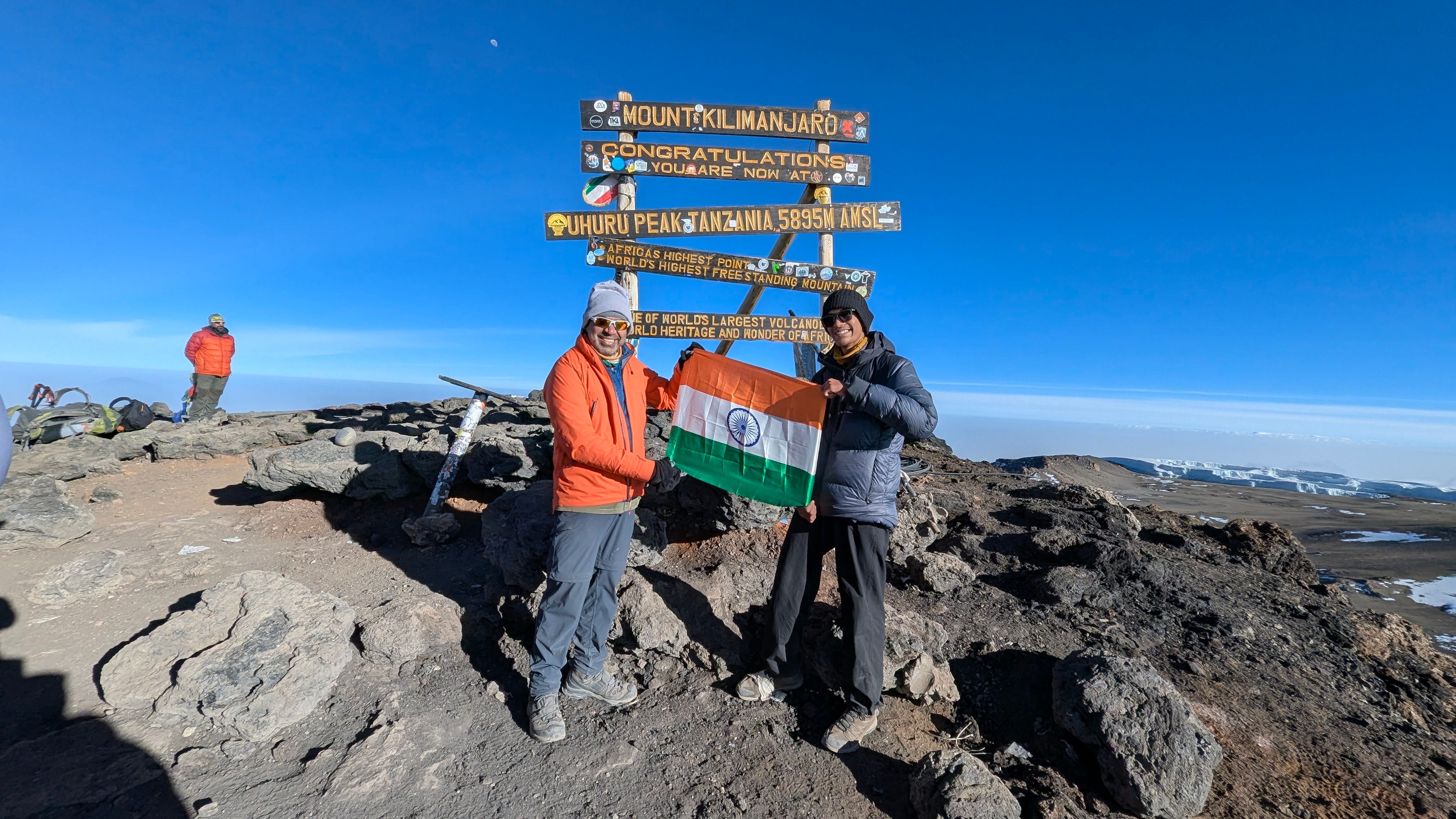
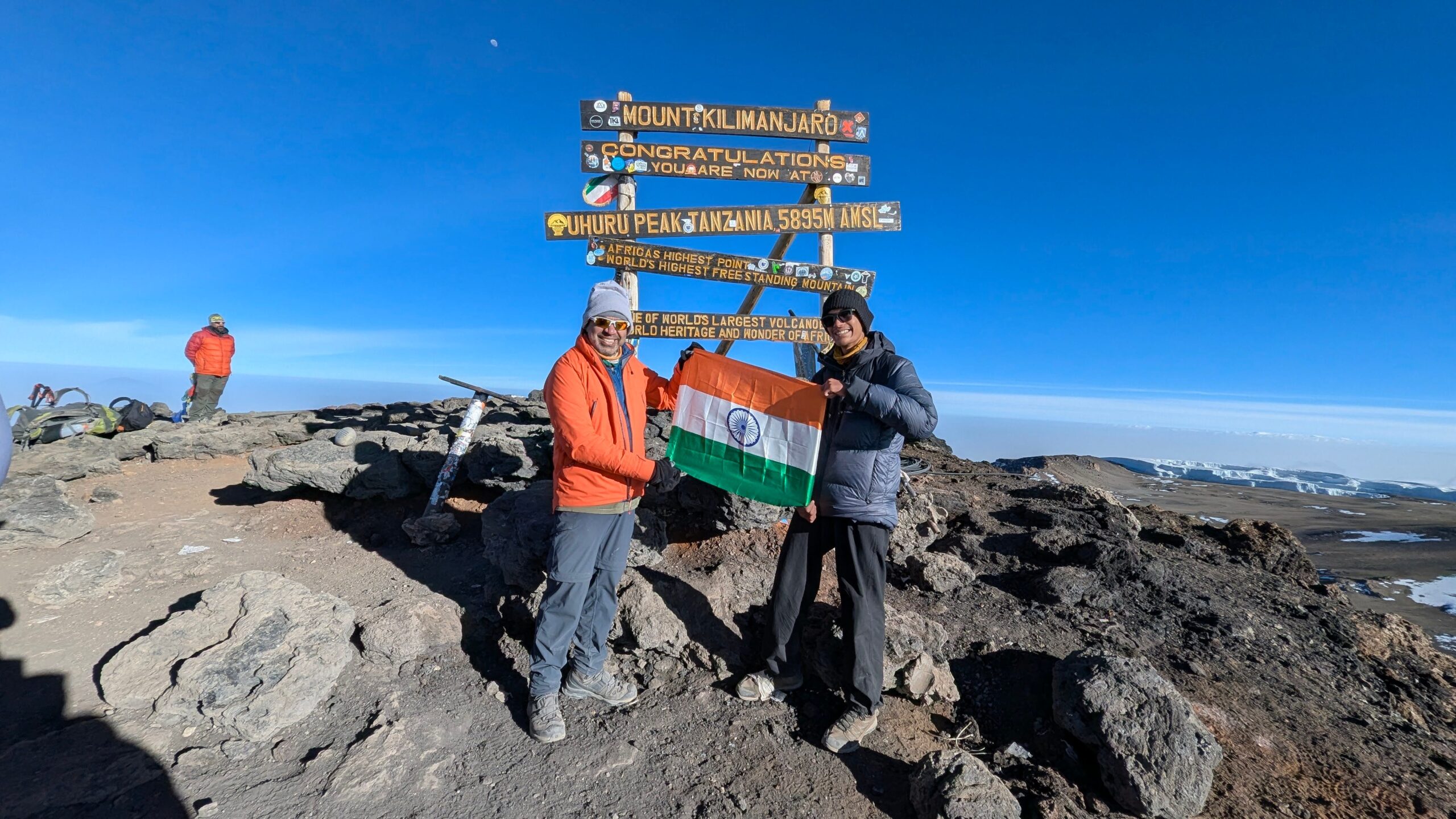
At approximately 7:45 a.m., we reached the summit: Uhuru Peak, 5895 meters.
We had made it.
My father and I collapsed onto the rocks right beside the wooden boards. We threw our arms around each other and just sat there, hugging in the midst of a photo-frenzy, completely overwhelmed with happiness. There were no profound thoughts or cinematic epiphanies running through my mind at that moment, only the pure joy of having stood at the bottom together, failed, returned, and finally finished it together.
We stayed at the top for a long time, taking photographs, watching the sunlight bounce off the glaciers, and watching the curving horizon.