Kanamo Peak – Overview
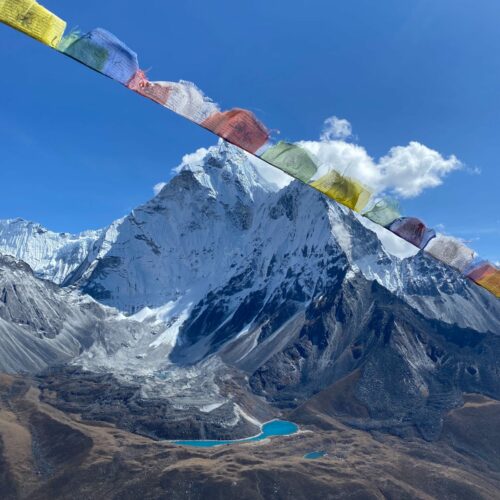
Kanamo Peak (5,974m) is one of the most iconic high-altitude trekking peaks in the Indian Himalayas, located in the remote and dramatic Spiti Valley of Himachal Pradesh. Towering above the villages of Kibber and Tashi Gang, Kanamo dominates Spiti’s cold-desert skyline and is often referred to as the “White Lady of Spiti” for its elegant, pyramid-shaped summit. Despite being classified as a trekking peak, Kanamo offers a true Himalayan summit experience, pushing climbers close to the 6,000-metre mark without requiring advanced technical climbing skills. The ascent is long, physically demanding, and mentally challenging, making it an ideal objective for trekkers ready to transition into high-altitude mountaineering.
What makes Kanamo Peak especially appealing is its unique balance of accessibility and seriousness. The trek begins from Kibber, one of the highest motorable villages in the world, allowing climbers to start already above 4,000 metres and making acclimatization more efficient. However, once you leave the village behind, the landscape becomes raw and unforgiving — vast brown mountains, glacial valleys, wind-swept plateaus, and endless ridgelines stretching toward the Tibetan plateau.
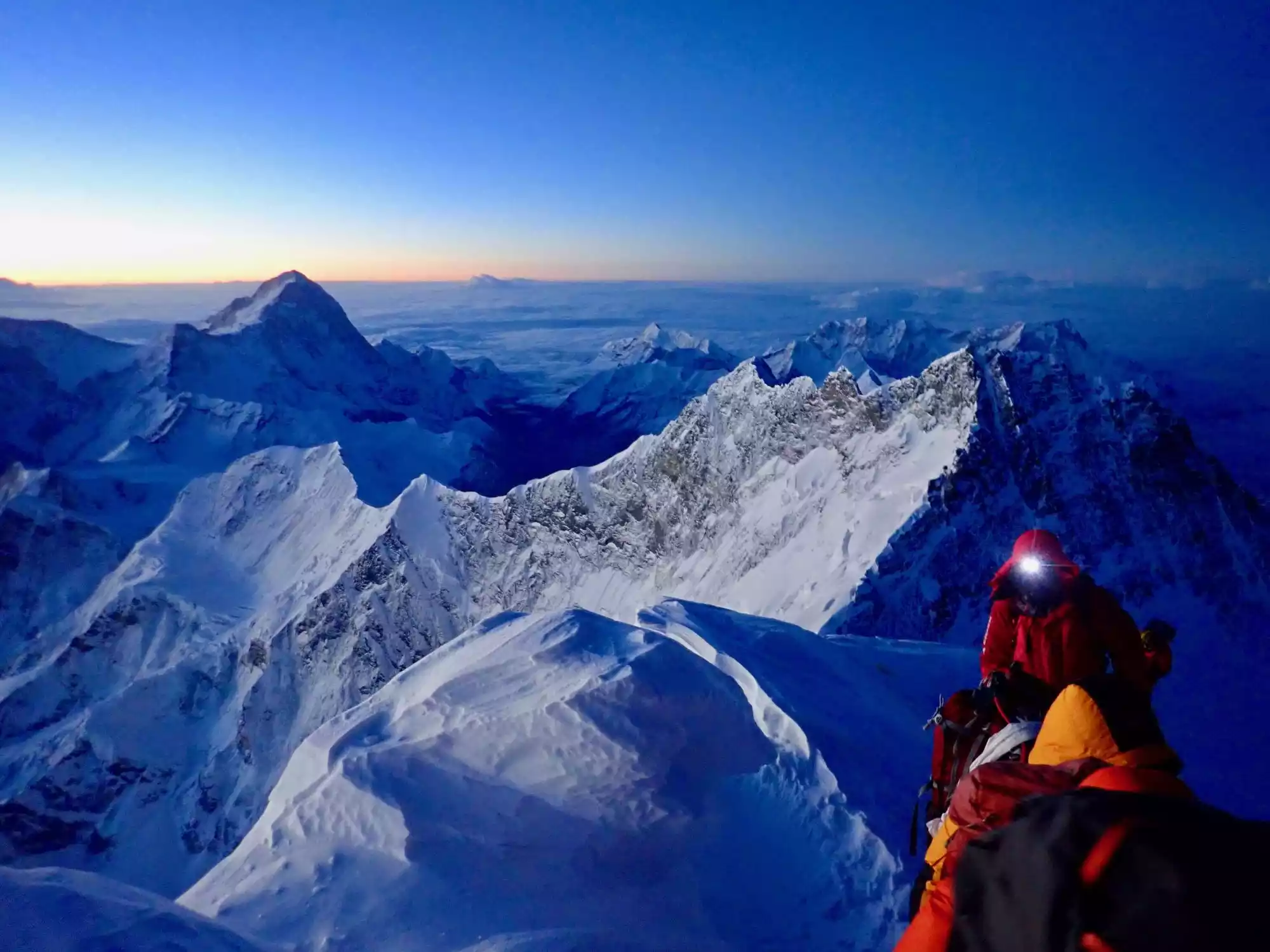
Reaching the summit at nearly 6,000 metres is a powerful achievement, offering sweeping 360-degree views of the Kinnaur–Spiti ranges, Chau Chau Kang Nilda, Shilla Peak, Parang La, and the distant peaks of Ladakh.
For many, Kanamo is not just a climb but a milestone — a first true Himalayan summit that builds the confidence and skills needed for bigger and more technical mountains ahead.
Why Kanamo Peak Belongs on Every Mountaineer’s Bucket List
Kanamo Peak is one of the few mountains in India that allows aspiring mountaineers to experience a complete expedition cycle in a short, efficient format. From expedition-style camps to early-morning summit pushes and long descent days, the climb mirrors the structure of larger Himalayan expeditions. This makes Kanamo an invaluable learning ground for anyone serious about progressing into technical mountaineering. You don’t just climb a mountain — you learn how real expeditions function.
What truly sets Kanamo apart is the way it trains climbers to operate in extreme altitude environments. The mountain forces you to master slow, deliberate movement, efficient breathing, nutrition management, and mental pacing over sustained hours above 5,000 metres. Every decision — when to push, when to rest, when to hydrate — directly impacts summit success. These are not just trekking skills; they are core expedition skills that become critical on peaks above 6,500 and 7,000 metres.
Kanamo is also a credibility-building summit. Among mountaineers, it is widely recognised as a serious high-altitude objective rather than a casual trek. Completing Kanamo demonstrates that you can function effectively at near-6,000-metre altitude, manage fatigue on long summit days, and maintain discipline in harsh mountain conditions. For many climbers, Kanamo becomes the gateway peak that unlocks future ambitions — whether that’s technical Himalayan peaks, 7,000-metre expeditions, or eventually the world’s great mountains.
Best time to climb Kanamo Peak
The climbing window for Kanamo Peak is short and highly seasonal due to its extreme altitude and remote location in Spiti Valley. For safe access, stable weather, and reliable summit conditions, expeditions are recommended only during the summer months.
Ideal climbing season: Mid-June to Mid-September
- Late June to Early July: Classic alpine conditions with good snow cover on the upper slopes. Ideal for climbers who want a true snow climb experience, though temperatures are colder and strong acclimatization is essential.
- Mid-July to August: The most stable and popular window with predictable weather, firmer snow, and easier movement on the route. Best suited for first-time peak climbers.
- Early September: Fewer teams, excellent visibility, and crisp mountain air. Nights are colder and early snowfall may shorten the season.
Post Mid-September: Not recommended due to heavy snowfall, sub-zero temperatures, closed access roads, and unstable weather.
Why Acclimatization Matters on Kanamo Peak
Proper acclimatization is the single most important factor for a safe and successful Kanamo Peak ascent. The expedition involves a rapid gain in altitude — from Manali (2,050 m) to Kaza (3,800 m) in a single day, followed by Kibber (4,270 m), where the trek begins. From here, climbers move to Kanamo Base Camp (~4,600 m) before pushing toward a summit that rises to nearly 6,000 metres. This steep altitude progression in a relatively short number of days places significant stress on the body and makes a structured acclimatization schedule essential.
Dedicated acclimatization days, slow pacing, hydration, and short acclimatization hikes allow the body to gradually adapt to lower oxygen levels. Skipping or rushing this process greatly increases the risk of AMS (Acute Mountain Sickness), fatigue, and poor summit performance. Kanamo’s altitude is high enough that even fit trekkers can struggle without proper adaptation. A well-planned acclimatization strategy not only improves safety but dramatically increases summit success rates, making it the foundation of any responsible Kanamo Peak expedition.
Highlights of the Kanamo Peak Climb
- A True Near-6,000 Metre Himalayan Summit
Standing at nearly 6,000 metres, Kanamo offers one of the highest non-technical summits in India, delivering a genuine high-altitude mountaineering experience without the need for advanced climbing skills.
- Classic Spiti Cold-Desert Landscape
The climb unfolds through vast, barren valleys, wind-sculpted ridgelines, glacial bowls, and endless Himalayan horizons — a dramatic setting that feels more Tibetan than Indian.
- Expedition-Style Summit Day
A long pre-dawn start, sustained ascent over snow and scree, and a demanding descent make summit day a true test of endurance, discipline, and mental strength.
- High-Altitude Learning Ground
Kanamo is an ideal training peak for future expeditions, teaching altitude management, pacing, nutrition, hydration, and efficient movement in extreme environments.
- 360° Himalayan Panorama from the Summit
Sweeping views of Chau Chau Kang Nilda, Shilla Peak, Parang La, Pin Parvati Pass, and the greater Kinnaur–Spiti ranges make the summit one of the most rewarding viewpoints in the Indian Himalayas.