Rope up for some serious mountaineering!

Kang Yatse I Climb – Overview

Towering at 6,400 meters (20,997 ft) above the dramatic landscapes of Ladakh, Kang Yatse I is one of the more challenging and technically demanding mountaineering objectives in the Indian Himalayas. Located at the head of the spectacular Markha Valley, this imposing peak offers a serious alpine climbing experience, combining high-altitude trekking, glacier travel, steep snow and ice sections, and exposed summit terrain.

Often overshadowed by its more frequently climbed neighbour, Kang Yatse II (6,250m), Kang Yatse I is the higher of the two summits and presents a significantly greater technical challenge. The ascent demands not just excellent physical conditioning but also sound mountaineering skills, familiarity with rope systems and the ability to negotiate challenging terrain at extreme altitude.

For climbers with previous high-altitude mountaineering experience looking to take on a more demanding 6,000-metre objective, Kang Yatse I is a formidable and rewarding Himalayan undertaking.

Why Climb Kang Yatse I?

  • The Higher Summit of the Kang Yatse Massif
    At 6,400 metres, Kang Yatse I is the true and higher summit of the massif. While Kang Yatse II is the more popular climbing objective, Kang Yatse I offers a considerably more challenging ascent and a different level of mountaineering commitment.
  • A True Technical Mountaineering Experience
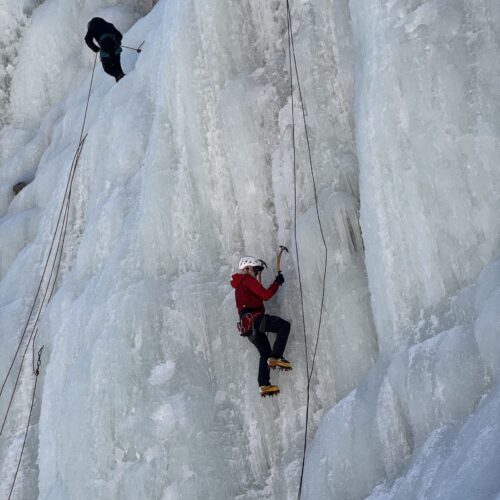
    Unlike its neighbouring summit, Kang Yatse I involves more sustained technical climbing. Depending on the chosen route and prevailing conditions, the ascent can involve steep snow and ice slopes, glacier travel, exposed ridgelines and fixed-rope sections. It demands proficiency with crampons, ice axes, harnesses and rope systems.
  • The Extraordinary Markha Valley
    The approach takes you through the remote and culturally rich Markha Valley, one of Ladakh’s most iconic trekking regions. Traditional Ladakhi settlements, ancient monasteries, expansive high-altitude pastures and dramatic mountain scenery make the journey to Base Camp an experience in itself.
  • A Step Further into Alpine Climbing
    Kang Yatse I is an opportunity for experienced mountaineers to move beyond introductory trekking peaks and test their technical abilities in a demanding high-altitude environment. The climb offers valuable experience in glacier movement, rope management, steep terrain and high-camp operations.
  • Exceptional Views Across the Greater Himalayas
    From the summit, climbers are rewarded with sweeping views of the surrounding Zanskar and Ladakh ranges, with the vast mountain landscapes of the Karakoram extending towards the north. The summit panorama is a fitting reward for a demanding ascent.

Kang Yatse I vs Kang Yatse II – Understanding the Difference

The Kang Yatse massif has two prominent summits, both offering distinctly different climbing experiences.

Kang Yatse II (6,250m) is the lower western summit and the more frequently climbed objective. Its standard route involves a predominantly snow-based ascent, with comparatively limited technical difficulty. It is often chosen by experienced high-altitude trekkers attempting their first 6,000-metre summit.

Kang Yatse I (6,400m) is the higher eastern summit and a considerably more technical undertaking. Its climbing routes involve steeper and more exposed terrain, requiring stronger mountaineering proficiency and experience with technical alpine climbing.

The two summits should not be considered interchangeable objectives. While Kang Yatse II can serve as a progression from high-altitude trekking, Kang Yatse I is better suited to climbers who already possess a solid mountaineering foundation.

Best Season to Climb Kang Yatse I

The primary climbing season for Kang Yatse I falls between June and September. Ladakh’s location in the rain shadow of the Greater Himalayas makes it a particularly attractive destination for summer mountaineering.

  • Summer (June to September)
    This is the principal climbing window, with July and August generally being the most popular months. Relatively stable weather, longer daylight hours and accessible approach trails make this period suitable for high-altitude climbing. However, snow conditions, glacier accessibility and wind patterns can vary considerably, influencing the choice of route and summit window.

Early September can also offer suitable climbing conditions, although temperatures begin to drop and weather windows can become less predictable.

The Journey to the Summit – Route Highlights

The expedition begins in Leh, where the initial days are dedicated to acclimatization before entering the Markha Valley. The approach follows the same spectacular trekking corridor used for Kang Yatse II, gradually gaining altitude through traditional villages and high alpine terrain.

However, as you approach the mountain, the expedition transitions into a more technical climbing operation, involving the establishment of higher camps and preparation for the summit attempt.

  • Leh – Acclimatization & Preparation
    Situated at approximately 3,500m, Leh serves as the starting point of the expedition. The initial days are spent acclimatizing, undertaking short hikes and preparing for the journey into the mountains.
  • Markha Valley – The Approach
    The trail takes you through traditional settlements such as Skiu, Markha and Hankar, following the Markha River through dramatic gorges and rugged mountain terrain. This gradual approach provides valuable acclimatization while offering an immersive experience of Ladakh’s landscapes and culture.
  • Nimaling (Approximately 5,000m) – The High Alpine Meadows
    Nimaling is a vast high-altitude pasture surrounded by imposing mountain peaks. Kang Yatse dominates the skyline here, providing the first close-up views of the mountain and its surrounding terrain.
  • Kang Yatse Base Camp (Approximately 5,000–5,100m)
    Base Camp marks the transition from trekking to technical mountaineering. Climbers prepare their equipment, undertake technical training and familiarise themselves with the route ahead. This is also where the team assesses prevailing mountain conditions before moving higher.
  • Camp I & Summit Camp
    The climbing team progresses to higher camps, establishing intermediate staging points closer to the summit. These camps provide access to the technical sections of the mountain and help reduce the distance covered during the final ascent. Depending on the chosen route, the approach can involve glacier travel and negotiating challenging snow and ice terrain.
  • Summit Day (6,400m)
    The summit push typically begins around midnight or in the early hours of the morning. The ascent involves negotiating steep snow and ice slopes, exposed sections and technical climbing terrain, with fixed ropes used where required by the route and conditions. The final approach demands precise footwork, efficient rope management and sustained concentration. Reaching the summit of Kang Yatse I is a significant achievement, rewarding climbers with an extraordinary panorama of the surrounding mountain ranges.
  • Descent via Kongmaru La
    Following the summit attempt, the expedition descends towards Base Camp before making its way back through the Markha Valley. Depending on the itinerary, the return journey includes crossing Kongmaru La Pass, offering one final high-altitude crossing before reaching the roadhead and returning to Leh.

Who is this Climb Ideal For?

Kang Yatse I is designed for experienced mountaineers who are ready to take on a more demanding technical objective in the Indian Himalayas.

It is particularly suited to:

  • Experienced mountaineers with previous 6,000-metre climbing experience or a strong technical mountaineering background.
  • Climbers who have completed a Basic Mountaineering Course (BMC) or equivalent formal training and are comfortable using crampons, ice axes, harnesses and fixed-rope systems.
  • Individuals with prior experience of glacier travel, rope management and movement on steep snow and ice slopes.
  • Adventurers with excellent cardiovascular endurance, lower-body strength and the mental resilience required for extended periods of climbing at high altitude.

Kang Yatse I is not recommended as a first mountaineering expedition. Its technical demands, altitude and exposed terrain require considerable preparation and prior climbing experience. A sound understanding of alpine climbing techniques is essential.

Accommodation and Expedition Support

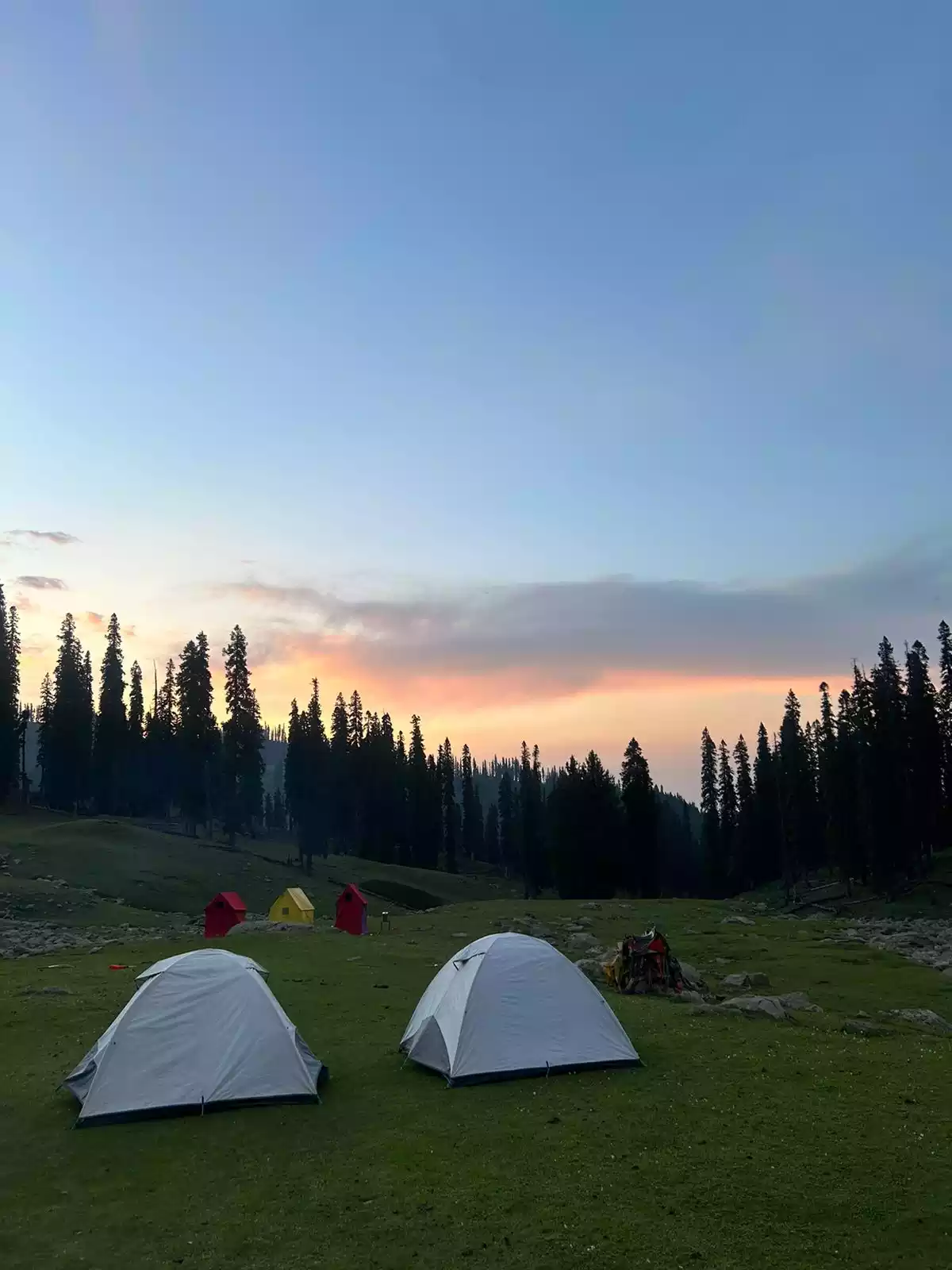
The expedition combines hotel accommodation in Leh with village stays and fully supported high-altitude camping.

The initial approach through the Markha Valley involves overnight stays in traditional settlements and campsites. As the team moves towards Kang Yatse Base Camp and establishes higher camps, the expedition transitions into a more remote and demanding camping experience.

A dedicated support team manages camp logistics, meals and equipment movement, while experienced climbing guides oversee technical training, route preparation and the summit attempt.

Given the technical nature of Kang Yatse I, the quality of expedition support, climbing equipment and on-mountain decision-making plays an important role in the overall experience.

Final Thoughts

Kang Yatse I is not simply about reaching another 6,000-metre summit. It is about stepping into a more demanding realm of Himalayan mountaineering, where technical proficiency, physical endurance and sound judgement become just as important as the determination to reach the top.

From the culturally rich trails of the Markha Valley to the glaciers, steep climbing sections and exposed upper slopes of the mountain, every stage of this expedition presents a different challenge.

For climbers who have already established themselves in the world of high-altitude mountaineering and are looking for a more technical objective in the Indian Himalayas, Kang Yatse I offers a challenging and deeply rewarding alpine experience.

Upcoming Treks

August 2027

  • 29th Aug - 11th Sep

September 2027

  • 17th Sep - 30th Sep

Why Choose Us?

trekking

India's only adventure company led by Everest summitteers

experience

14+ years of Himalayan experience

Tripadvisor Travellers' Choice Awards

5-time Travellers' Choice Award Winners

protection

100% safety record

Register now for the Kang Yatse I (6400m)!

Send us an enquiry and we'll get back to you immediately

Brief Itinerary

  • Day 1: Arrival in Leh, Gear Check & Evening Walk
  • Day 2: Acclimatization and Expedition Briefing
  • Day 3: Drive from Leh to Markha Valley & Trek to Sara 
  • Day 4: Trek from Sara to Umlung 
  • Day 5: Trek from Umlung to Thachungtse 
  • Day 6: Trek from Thachungtse to Base Camp (5100m)
  • Day 7: Rest & Training Day at Base Camp
  • Day 8: Load Ferry to Camp 1 and Return to Base Camp
  • Day 9: Trek to Camp 1
  • Day 10: Move to Camp 2 (5750m)
  • Day 11: Summit Kang Yatse I and Descend to Base Camp
  • Day 12: Trek from Base Camp to Chokdo via Kongmaru La (5260m) & Drive to Leh
  • Day 13: Buffer Day
  • Day 14: Fly Out

Inclusions & Exclusions

Trip Cost Includes:

  • Assistance upon arrival at Leh airport by our representatives
  • Group airport pickup and drop on arrival and departure.
  • Transportation to the start point of the trek and from end point to Leh with the group. 
  • Accommodation in Leh on Bed & Breakfast plan for 03 Nights.
  • Tented accommodation during trek in 3 man tents on twin sharing basis.
  • All Meals (Bed Tea, Breakfast, Hot / Pack Lunch, Evening Tea & Dinner) during the course of the trek.
  • Porters/Mule caravan to transport rucksack up to 12 kgs
  • Currently applicable permit fees and Wildlife fees. 

Trip Cost DOES NOT Include:

  • Airfare to and from Leh.
  • Additional days either on the trek or in Leh other than the standard itinerary.
  • Any kind of Personal Equipment or Optional Tours/Extra Meals Ordered.
  • Tips, Insurance, Laundry, Phone Calls.
  • Any Kind of Drinks (Alcoholic, Mineral, Aerated).
  • Personal climbing equipment like climbing shoes, crampons etc. (Can be rented on actuals)
  • Guide fee, camera fee, soft or hard drinks, starters.
  • Anything not specifically mentioned under the inclusions. 
  • Single supplement tent or hotel.
  • Expenses arising out of early arrival and late departures. 
  • Expenses arising out of medical evacuation, injuries if any.

Things to carry

Download as PDF

Extreme temperature variations, high altitude, snow glare & proximity to the sun are certain factors which necessitate the need for proper trekking gear. In order to enjoy your experience in the mountains, we have recommended that you carry the following with you.

Apparel

  • Thermals (Inners) - At least 1 pair Top & Bottom
  • 6-8 t-shirts or long-sleeve shirt (cotton / dryfit)
  • 2-3 pairs of trekking pants (no jeans/denims)
  • 1 Fleece Jacket
  • 1 Down Jacket
  • 1 Waterproof Layer (Rainjacket/Shell Jacket)
  • 1 pair of Hiking Boots
  • 1 pair of comfortable sandals/floaters/sneakers
  • 6-8 pairs of cotton socks (for day)
  • 2 pairs of thick/woollen socks (for night)
  • Gloves - liner and outer (ideally waterproof when using in snow)
  • Sun hat/cap
  • Woollen cap
  • Buff or Balaclava
  • 1 pair of thick mountaineering socks
  • Thick Thermals (1 pair)
  • 2 Synthetic Undergarments


Specific Equipment for Climbing (Can be Rented in Leh)

  • Climbing Helmet
  • Mountaineering Harness
  • Mountaineering Boots a.k.a Snow Boots
  • Crampons
  • Ice Axe
  • 1 Locking + 1 Non-Locking Carabiner
  • Thick mountaineering mittens or gloves 
  • Slings

Accessories


  • Duffel Bag/Rucksack (60L+)
  • Daypack/Small Backpack (20-30L capacity)
  • Trekking Pole/s
  • 2x 1L Bottles (for drinking water)
  • Torch or Headlamp + Batteries 
  • Knee/Ankle/Wrist Guards (if you require)
  • Trekking Poles
  • Sunblock/Sunscreen
  • Ski Goggles/ Cat-4 Sunglasses
  • Moisturiser
  • Hand Sanitiser
  • Personal Medical Kit
  • Personal Toiletries Kit
  • Trail Mix/Trail Snacks

Fitness

Download as PDF
  • There are three main aspects of training to focus on – strength training, cardiovascular training, and trekking + trekking alternatives.
     
  • Strength training involves training different muscle groups, so that they can become stronger. There are different exercises for each muscle group, and working them all out 2x-3x a week should be enough to help you get comfortable trekking.
     
  • Legs / lower body - exercises like squats, glute bridges, step ups and leg presses with help you develop stronger muscles in the lower body. 

    Core - Exercises like planks, bicycle crunches and leg raises can help with core stability; Pilates is also a core-intensive type of workout that will help.

    Upper body - Bodyweight exercises like push-ups, pull-ups and dips will help develop these muscles. You can also use resistance bands or light weights to develop them further.
     
  • It’s vital to do plenty of cardio training before your trek, so that you can get the most out of your experience
     
  • Running - This is the most recommended form of cardio activity, as it activates a lot of the same muscles as trekking. Being able to run 10km in 60 minutes will allow you to get the most out of your trek.

    Cycling / Swimming - If you have knee issues, or don’t enjoy running, you can also opt for cycling and swimming. Being able to cycling 30-50km or swim for 30-40 minutes, thrice a week, should be good to help you with treks like EBC.

    HIIT training / Crossfit - Another option to level up your cardio training is to opt for high intensity aerobic exercises like HIIT or Crossfit, 2-3 times a week
    The aim is to get your heart rate up, so you do not get winded on long days of trekking
     
  • Hiking
    Try to get outdoors and go for a hike on the weekends! Uphill trails of 4-8 kilometres are will help you get used to trekking. Make it a point to carry a loaded backpack, and walk in your trekking shoes.
     
  • Hiking Alternatives
    Climbing stairs, and using the treadmill or stairmaster on an incline, will help prepare you for treks. Make it a point to carry a loaded backpack so that you can get used to the extra weight; and use your trekking boots, so that you can break them in and walk comfortably.
     
  • If you’re confused with all this information, no need to worry! The most important thing with training is consistency, and staying injury-free. Your training week should ideally have
    Strength training - 3 sessions
    Cardio training - 3 sessions
    Hiking - 1 long session, best on the weekends
    Rest and stretching - at least 1 day

FAQs

Premium Services

adv-icon

What sets us apart is not only the expertise we bring to the table, but also the quality of services provided on each trek! We know what it takes to climb mountains, whether you’re 6 or 60, and look forward to providing you with services you can’t get anywhere else.

tourism

Backpack offloading

toilet

Western style bio-toilet

guide

3:1 guide ratio

camping

Extra Spacious Tents

youth

Small group size

cab

Group airport pick-ups and drops

outside

Premium dining tents

caregiver

Personalised attention

What Our Clients Say

Inquire Now


    Select Trek Dates:


    TOP Chat with us