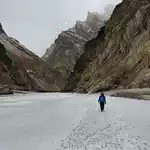
Yunam Peak – Overview
Yunam Peak (6,111 m) is one of the most approachable 6,000-metre peaks in the Indian Himalayas, making it a perfect introduction to high-altitude mountaineering. Located in the remote Lahaul region of Himachal Pradesh, Yunam offers a true a chance to cross the 6000m mark while remaining non-technical, ideal for trekkers ready to take their first step into climbing.
The climb is a stunning journey through vast alpine landscapes, glacial valleys, and expansive snowfields, with panoramic views of the Chandrabhaga range and surrounding Himalayan giants. The route focuses on endurance, altitude adaptation, and basic mountaineering skills rather than extreme technical difficulty, allowing climbers to build confidence in a high-altitude environment.
Climbing Mt. Yunam is essentially a transition from trekking to mountaineering. With its gradual ascent, well-planned acclimatization, and raw Himalayan beauty, the expedition delivers a rewarding and empowering experience for anyone aspiring to progress toward higher and more technical peaks in the future.
Why Yunam Peak Belongs on Every Mountaineer’s Bucket List?
- A true first 6,000er – Yunam Peak lets you cross the 6,000 m mark in a non-technical setting, making it an ideal progression for trekkers stepping into high-altitude mountaineering for the first time. Raw, uncrowded Himalayan terrain – Vast glaciers, open snow slopes, and sweeping views of the Chandrabhaga range offer an authentic expedition feel in one of Himachal’s most remote regions. Foundation for future climbs – The ascent emphasizes acclimatization, endurance, and essential snow skills, building the physical and mental readiness needed for higher and more technical Himalayan objectives ahead.
Best time to climb Yunam Peak?
The best time to climb Yunam Peak is during the summer climbing window from late June to September.
Early season (late June to early July) brings colder, more alpine conditions with fresh snow. Days remain cool while nights at higher camps drop well below freezing, and summit mornings are sharply cold.Daytime temperatures at base camp usually range between 6°C and 12°C, while nights drop close to or below freezing. At higher camps, daytime temperatures hover around 0°C to 5°C, with nights falling to -6°C to -10°C. Summit mornings are significantly colder, often between -8°C and -14°C, especially with strong winds and fresh snow.
Mid-season (mid-July to August) is the most stable and comfortable period, with milder daytime temperatures, manageable nights, and safer summit conditions—making it the preferred window for most climbers. Temperature ranging from 8°C to 14°C, with nights just around freezing. High camps see daytime temperatures between 2°C and 7°C, while nights drop to about -4°C to -8°C. Summit-day temperatures generally range from -5°C to -10°C, making this the safest and most popular period for a Yunam Peak ascent.
Late season (September) sees colder temperatures return, especially at night, but rewards climbers with crystal-clear skies, dramatic views, and fewer teams on the mountain. Daytime temperatures at base camp range between 4°C and 10°C, while nights drop to -2°C to -6°C. High camps remain cold, with daytime temperatures near or below freezing and night temperatures often between -8°C and -12°C. Summit-day temperatures can plunge to -10°C to -18°C, but this season rewards climbers with clearer skies, sharper mountain views, and quieter routes before winter conditions fully set in.
Outside this window, heavy snowfall, extreme cold, and access issues make the peak unsafe. This short summer season is what gives Yunam Peak its pristine beauty and true expedition character.
What to Expect in the trek? For beginners
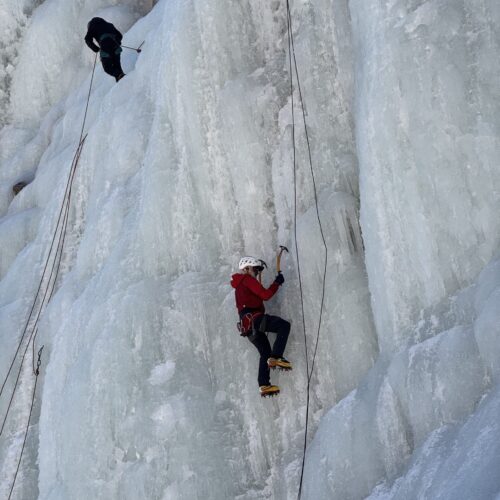
As a beginner, you can expect a gradual ascent with ample acclimatization, allowing your body to adapt safely to altitude. The climb involves walking on snow, crossing gentle glaciers, and using basic mountaineering equipment like crampons and ice axes under expert guidance. The focus is more on endurance, pacing, and learning mountain discipline rather than difficult technical skills.
What truly sets Yunam Peak apart is the confidence it builds. Beginners gain hands-on experience in high camps, cold conditions, and summit-day strategy—preparing them mentally and physically for bigger Himalayan goals. It’s not just a climb, but a learning journey that marks the transition from trekking to mountaineering.
Why Yunam Peak Matters:
Yunam Peak is where first summits turn into real mountaineers. Quiet, remote, and uncompromising, it strips climbing back to its essentials—snow, altitude, effort, and resolve. At over 6,000 meters, it demands respect, patience, and discipline, making it the perfect bridge between trekking peaks and serious high-altitude climbing.
If you’ve trekked high, felt strong, and wondered what it’s like to move higher with rope, crampons, and purpose. This is where that question gets answered.
Yunam isn’t about fame or crowds. It’s about learning the craft, trusting your training, and proving to yourself that you belong in the high mountains. Come curious, come prepared, and you won’t just gain a summit—you’ll gain confidence that stays with you long after the snow is behind you.