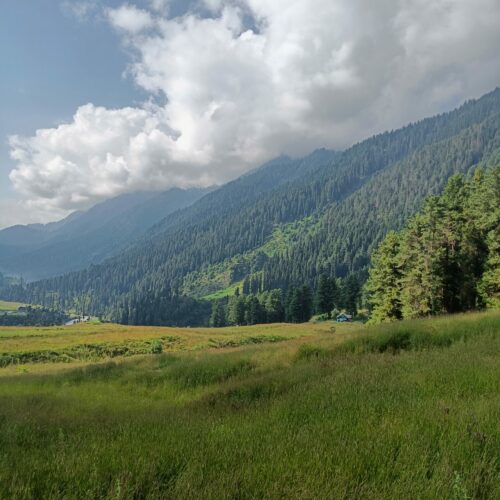
Step into the heart of Central Asia with Adventure Pulse’s newest international trek in Kyrgyzstan, a land where nomadic traditions meet breathtaking alpine landscapes. With over 90% of the country above 1,500 meters, Kyrgyzstan is a paradise for trekkers. This beautiful country is home to glacier-fed lakes, wildflower meadows, and towering peaks of the Tian Shan range. Trekking in Kyrgyzstan blends raw adventure with cultural immersion, offering nights in traditional yurts, encounters with nomadic shepherds, and trails that lead to pristine high-altitude lakes.
Our treks in Kyrgyzstan is designed for those seeking both challenge and transformation: a chance to walk through untouched wilderness, reconnect with nature, and experience the warmth of Kyrgyz hospitality.
Ak Suu Traverse Trek Overview:
Ak-Suu traverse is one of the most beautiful hikes near Karakol and probably one of the best multi-day hikes in Kyrgyzstan. Starting from Jyrgalan Valley you will visit incredibly beautiful lakes, meadows, and snowy passes. The full version of the Ak Suu Transverse from Jyrgalan to Djeti-Oguz can be typically done in nine days or longer. Depending on the route variations and the pace, this trek can be done in 7-9 days. Located in the Eastern Kyrgyzstan, this trek is demanding but incredibly rewarding trek that is suitable for experienced trekkers as well as fit beginners.
Highlights of the Ak Suu Traverse Trek in Kyrgyzstan:
Extreme temperature variations, high altitude, snow glare & proximity to sun are certain factors which necessitate the need for proper mountaineering equipment. In order to enjoy your experience in the mountains, we have recommended that you carry the following with you. Note: If you are unable to procure any of the mentioned items, then suitable arrangements will be made so that the same can be either bought or rented in Kathmandu based upon actuals.
Apparel
Thermal Inners - At least 1 pair of Top and Leggings
6 to 8 t-shirts or long-sleeve shirt (cotton / dryfit)
2-3 pairs of trekking pants (no denim!)
1 Sweater/Sweatshirt
1 Fleece Jacket
1 Down Jacket
1 Waterproof Layer like raincoat or wind-cheater
1 pair of hiking boots
1 pair of comfortable sandals/floaters/sneakers
8-9 pairs of cotton socks (for day)
2 pairs of thick/woollen socks (for night)
Gloves - liner and outer
Sun hat
Woollen cap
Buff
Accessories
Duffel bag / Rucksack for off loading. Maximum 12 kgs allowed per trekker for porter and flight.
Daypack / Backpack (20-30L capacity)
Sleeping bag (can be bought or rented in Kathmandu)
There are three main aspects of training to focus on – strength training, cardiovascular training, and trekking + trekking alternatives.
Strength training involves training different muscle groups, so that they can become stronger. There are different exercises for each muscle group, and working them all out 2x-3x a week should be enough to help you get comfortable trekking.
Legs / lower body - exercises like squats, glute bridges, step ups and leg presses with help you develop stronger muscles in the lower body.
Core - Exercises like planks, bicycle crunches and leg raises can help with core stability; Pilates is also a core-intensive type of workout that will help.
Upper body - Bodyweight exercises like push-ups, pull-ups and dips will help develop these muscles. You can also use resistance bands or light weights to develop them further.
It’s vital to do plenty of cardio training before your trek, so that you can get the most out of your experience
Running - This is the most recommended form of cardio activity, as it activates a lot of the same muscles as trekking. Being able to run 10km in 60 minutes will allow you to get the most out of your trek.
Cycling / Swimming - If you have knee issues, or don’t enjoy running, you can also opt for cycling and swimming. Being able to cycling 30-50km or swim for 30-40 minutes, thrice a week, should be good to help you with treks like EBC.
HIIT training / Crossfit - Another option to level up your cardio training is to opt for high intensity aerobic exercises like HIIT or Crossfit, 2-3 times a week
The aim is to get your heart rate up, so you do not get winded on long days of trekking
Hiking
Try to get outdoors and go for a hike on the weekends! Uphill trails of 4-8 kilometres are will help you get used to trekking. Make it a point to carry a loaded backpack, and walk in your trekking shoes.
Hiking Alternatives
Climbing stairs, and using the treadmill or stairmaster on an incline, will help prepare you for treks. Make it a point to carry a loaded backpack so that you can get used to the extra weight; and use your trekking boots, so that you can break them in and walk comfortably.
If you’re confused with all this information, no need to worry! The most important thing with training is consistency, and staying injury-free. Your training week should ideally have
Strength training - 3 sessions
Cardio training - 3 sessions
Hiking - 1 long session, best on the weekends
Rest and stretching - at least 1 day
FAQs

Detailed Itinerary
Ak Suu Traverse Trek, Kyrgyzstan
Day 1
Arrival in Bishkek, Drive to Karakol (6 hours).
On your arrival at Bishkek Airport, you will be welcomed by an Adventure Pulse representative. The drive from Bishkek Airport (Manas International) to Karakol is one of the most scenic journeys in Kyrgyzstan, taking you along the shores of Issyk-Kul Lake and through diverse landscapes. Covering around 414 km, the direct route usually takes about 6 hours to reach Karakol. This road trip along the legendary Issyk-Kul Lake including stops at some scenic locations is one of the highlights of the Kyrgyzstan trip. We drive through deep cutting valleys with stunning backdrops of snowcapped mountains. On your arrival at Karakol, you will be staying in a standard hotel on twin sharing basis.
Day 2
Jyrgalan – Terim Tor Pass
Distance: 15 km | Altitude: 3200 m
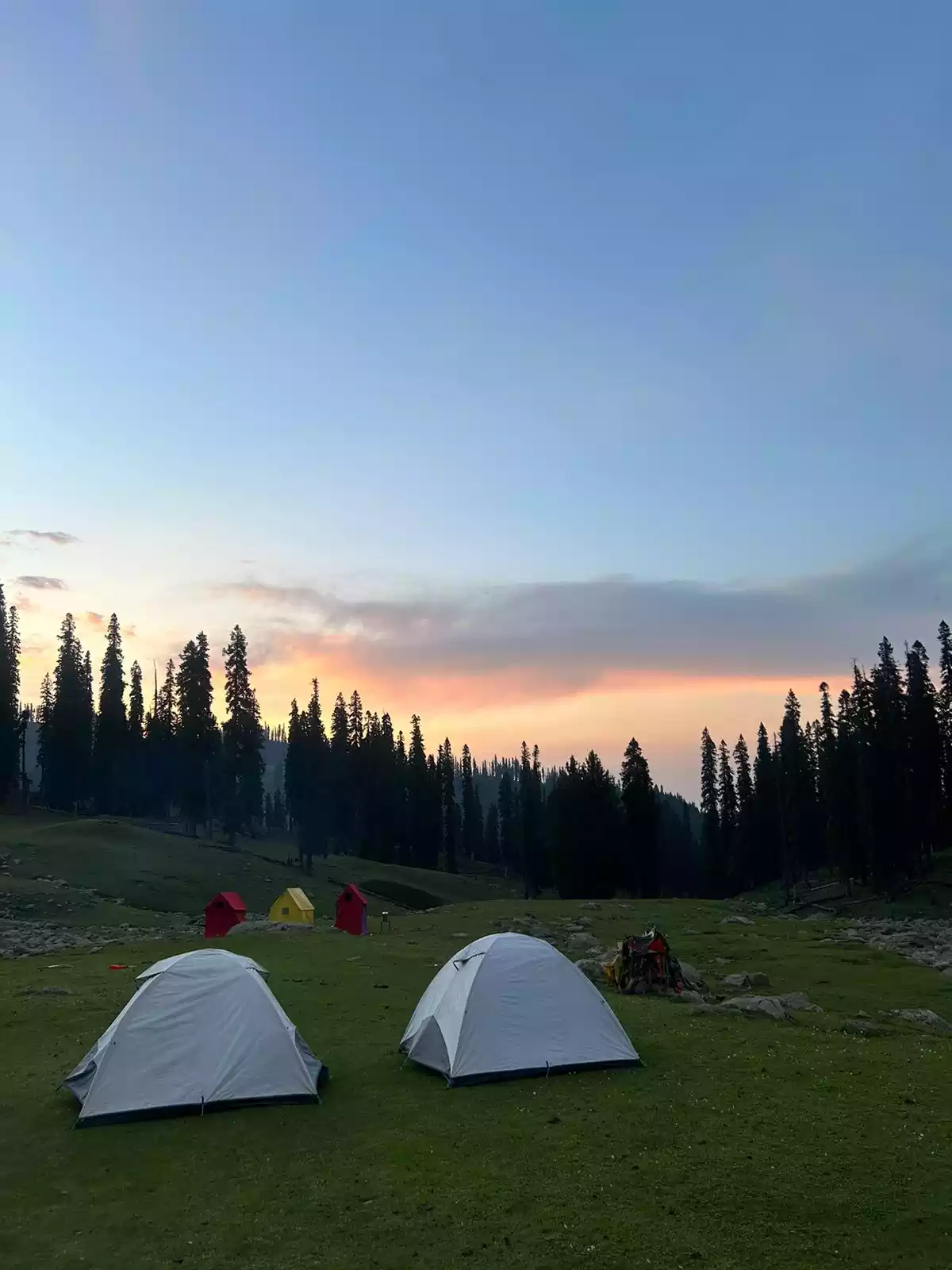
From Karakol, we drive around 60 km to reach the Ak Su Traverse Trek start point/trailhead in Jyrgalan. From here we hike approximately 15 km to reach the next camp. It is a steady climb up to Terim-Tor Pass situated around 3,200 meters. It’s a beautiful trek through forests and lush green meadows. Overnight stay in a camp at Terim-Tor.
Day 3
Terim Tor Pass – Bozuchuk pass
Distance: 11 km | Altitude: 3450 m
On this day, we cover around 11 km in total and cross two high altitude passes known as Bulak-Ashuu Pass at 3,450 meters and Boz-Uchuk Pass at 3,365 meters. We trek through some incredible mountain scenery and camp near the Boz Uchuk lakes at about 3,450 meters for the overnight stay.
Day 4
Bozuchuk lakes – Jergez valley
Distance: 5 km | Altitude: 3100 m
We start our day with a very short hike for about 2 km parallel to the river. After a thrilling river crossing, we begin our ascend to a pass at 3,524 meters. The trail then descends into the Jergez Gorge leading us to a yurt camp at 3100 m where we will set up our stay. In the afternoon, enjoy a 3 km round-trip hike to the nearby Ailanysh waterfall. Overnight stay in the camp.
Day 5
Jergez Valley – Ailanysh lakes – Almaluu valley
Distance: 12 km | Altitude: 2750 m
We hike up to the scenic Ailanysh Lake at 3,445 meters and enjoy a short break here. The trail gets steeper as we head up to Ailanysh Pass (3,676 meters). After the pass, it’s about 5-6 km hike to reach our camp at 2,750 meters. En route, witness some spectacular views of the nearby mountains and the massive Ak-Suu Glacier.
Day 6
Almaluu – Altyn Arashan
Distance: 12-14 km | Altitude: 2500 m
On this easy day, we cover about 12-14 km to reach Altyn Arashan via the Ortok Pass at 3,650 meters. We follow the river and trek through a descending trail all the way to the Altyn Arashan valley. Known for its natural hot springs this place offers much needed relaxation after long days of trekking.
Day 7
Altyn Arashan – Ala kul Pass
Distance: 14-15 km | Altitude: 3550 m
This is one of the challenging days on the trek. After a sumptuous breakfast, we start our long ascent to reach the Ala-Kul Pass, located at 3,960 meters. Although, a gradual ascent for most parts of the trail, the final few meters involve a steep, rocky climb that takes you to the top of the pass. Soak in the vast, expansive views over Ala-Kul Lake from the pass which makes the climb truly worth it. Witness magnificent views of the Karakol Peak standing at a grand height of 5273 meters. We camp beside the lake at an elevation of 3,550 meters. If time permits, enjoy a short hike on the shores of the lake and witness stunning sunset views.
Day 8
Ala Kul lake – Sirota Camp
Distance: 8-10 km | Altitude: 2700 m
We leave the Ala Kul Lake campsite and climb over to another Ala Kul Pass at 3860 m and descend almost 1000m to a place called Sirota Camp at 2700 m located in the Karakol Gorge. Overnight stay in the camp.
Day 9
Sirota Camp, Karakol gorge – Teleti Pass
Distance: 14 km | Altitude: 3100 m
Today for the first half of the day, we climb up to the Teleti Pass at 3750 m. The trail climbs steadily through spruce forests and alpine meadows before reaching rocky terrain near the pass. The reward is sweeping views of the Terskey Alatau range and the valleys below. From the pass it’s a steep descent down to the Karakol valley. The trail descends relentlessly over rocky, uneven terrain until it reaches the forested valley floor. It’s a long but rewarding day.
Day 10
Teleti pass – Flower valley – Jeti oguz. Drive to Karakol.
Distance: 12 km | Altitude: 2200 m
We descend even further, trekking through a beautiful valley of flowers. After a continuous descend through the valley, we find ourselves at Jeti Oguz. This place is surrounded by incredible rock formations which seem to guard the entrance to the Valley of Flowers. Enjoy a panoramic view of the iconic Broken Heart Rock. From the trailhead, it’s a short one-hour drive back to Karakol town. Overnight stay in hotel.
Day 11
Karakol to Bishkek.
We transfer back to Bishkek and reach this beautiful capital city of Kyrgyzstan by afternoon. Spend rest of your day exploring around and some short sightseeing tours.
What sets us apart is not only the expertise we bring to the table, but also the quality of services provided on each trek! We know what it takes to climb mountains, whether you’re 6 or 60, and look forward to providing you with services you can’t get anywhere else.
Backpack offloading
Small group size
Group airport pick-ups and drops

Personalised attention
Gallery
What Our Clients Say
Prakash Prabhakar
Manager, Xchanging Malaysia
I have gone for three high altitude treks with Adventure Pulse. They are fantastic. I have been for their Everest base camp Trek, Summited Stok Kangri & climbed Kilimanjaro, the highest mountain in Africa
The Adventure Pulse team are very professional and do a stupendous job of ensuring first time trekkers and seasoned trekkers alike are made to feel comfortable and are taken care of through the trek.
I've never thought of going on outdoor adventures with anyone else and blindly suggest anyone who wants to head to the mountains to sign up for an Adventure beyond awesome!
The experienced Samir Pathan, summiteer of the majestic Mount Everest, his team of supporters, and other amazing group of people who joined the team made my entire journey enjoyable, and memorable.
There were multiple times during the trek that I almost gave up (its harder for a cancer survivor) But Sam was always a few steps behind encouraging me to take the necessary breaks and keep walking. Ensuring my vitals were kept under check.
The Everest Summitters Sam and Sauraj not only know what they are doing, but they are also deeply passionate about it and they do everything to make you to feel the same passion while you are trekking with them.
I joined this trek as a solo female traveller from Delhi and I would highly recommend solo travellers to consider Adventure Pulse for their next trek as they have a good mix of fun-loving and adventurous folks as clients travelling with them.
I have gone for three high altitude treks with Adventure Pulse. They are fantastic. I have been for their Everest base camp Trek, Summited Stok Kangri & climbed Kilimanjaro, the highest mountain in Africa