- Treks
- Baleni Glacier Trek
- Baleni Pass Trek – Extended
- Chadar Frozen River Trek
- Dodital – Darwa Pass Trek
- Gaumukh Tapovan
- Goecha La Trek
- Kashmir Great Lakes Trek
- Kashmir Winter Trek
- Markha Valley Trek
- Miyar Valley Trek
- Nubra Valley Trek
- Pindari Glacier Trek
- Rani Sui Lake and Khanpari Tibba Trek
- Silent Meadows Trek
- Sunderdhunga Glacier Trek
- Climbs
- Corporate
- Calendar
Established in 2010
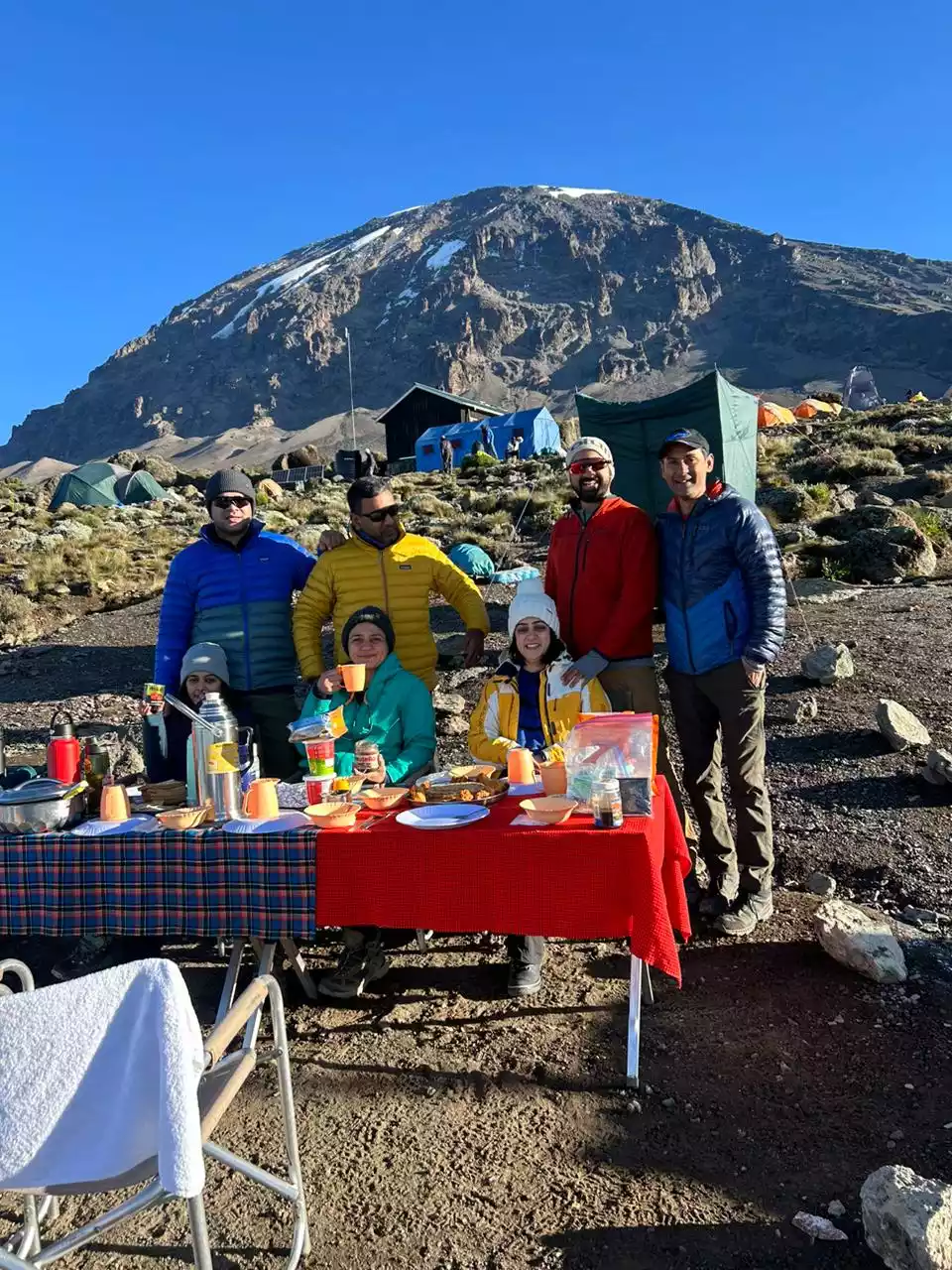
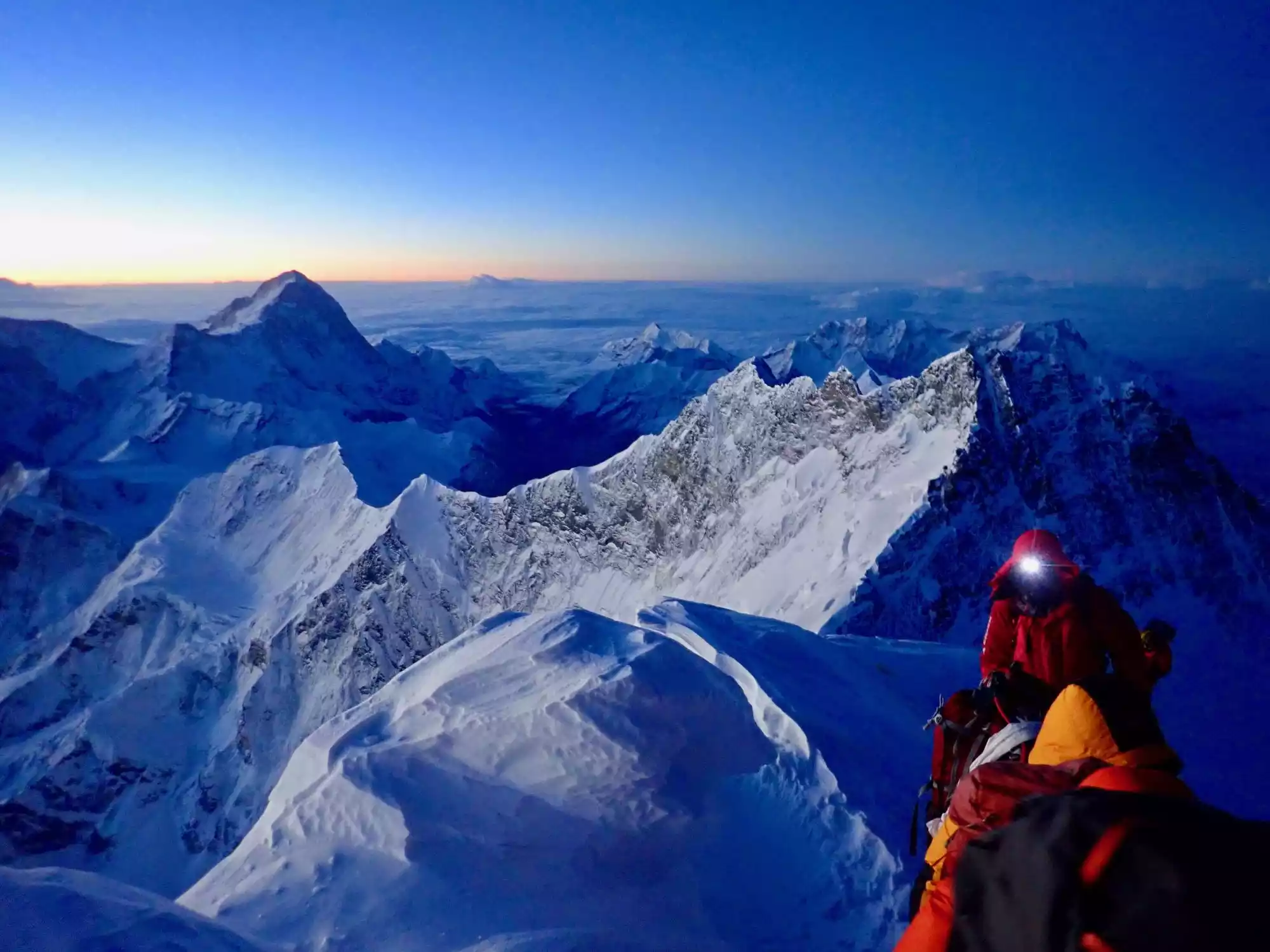
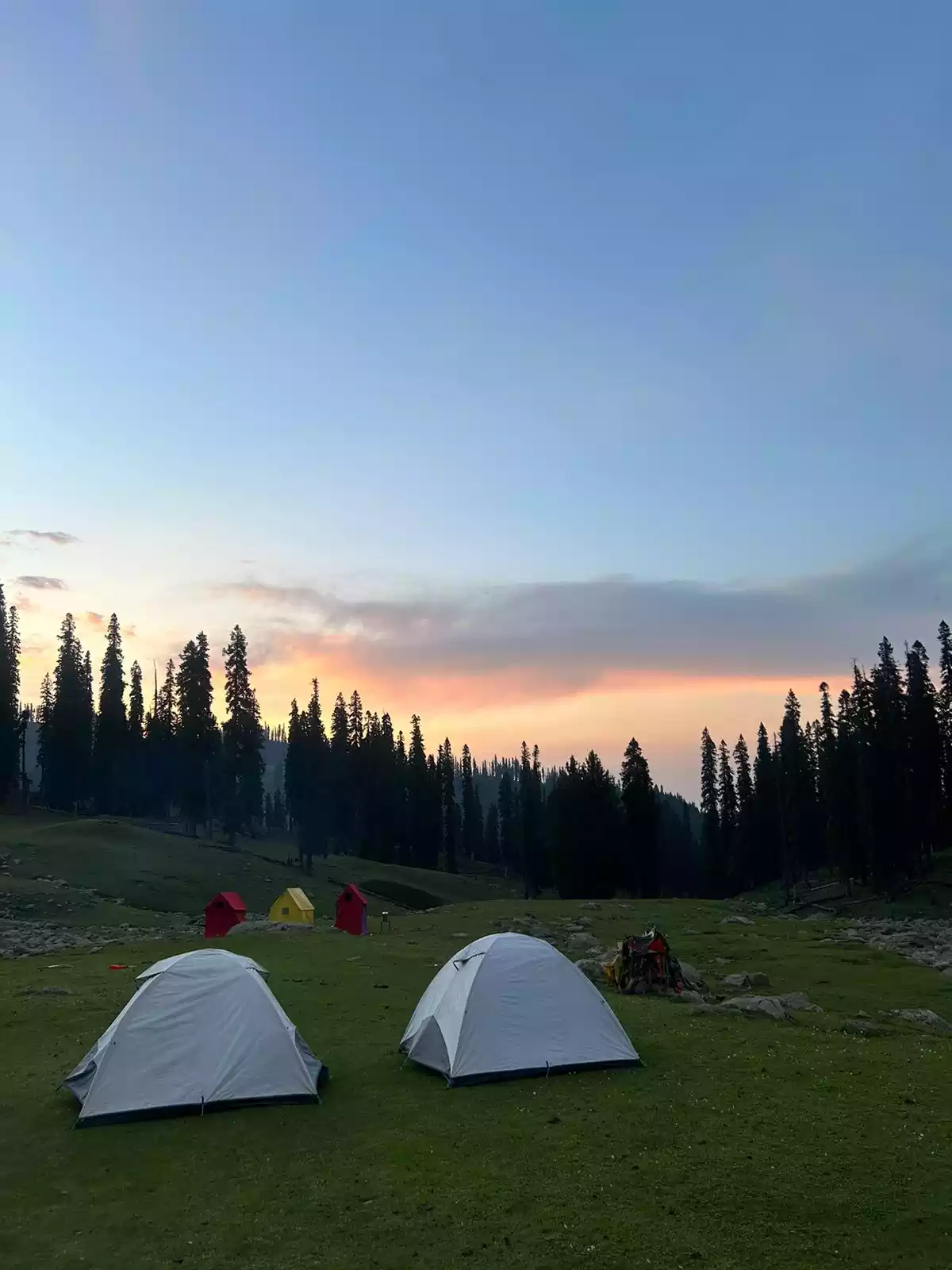








Brief Itinerary
- Day 1 - Arrival in Manali (2040 M)
- Day 2 - Trek from Manali to Lamadugh (3050 M)
- Day 3 - Trek from Lamadugh to Khanpari Tibba (4025 M) - Camp a little away from Ranu Sui Lake) 3780 M
- Day 4 - Trek to Rani Sui Lake - go upto Saurkandi Pass (3840 M) and camp at Mahili Thach.
- Day 5 - Trek from Mahili Thach to Shangchar (2350 M) and Drive back to Manali
- Day 6 - Departure from Manali
Inclusions & Exclusions
Trip Cost Includes:
- Transport: Group Pick up from Manali bus stand to the hotel. Ground transport in traveller/bus/4 by 4 vehicles from Shangchar to hotel in Manali.
- Accommodation: 02 nights hotel in Old Manali. Standard 3 start hotel on Twin sharing, Bed and Breakfast. Tented accommdation during the trek for 3 nights (Twin sharing basis).
- Meals: In Manali on bed and breakfast plan. During the Trek (All meals) Breakfast, Packed lunch, dinner, morning anf evening tea & coffee, drinking water.
- All camping gear included (tents, sleeping bags, mats, dining tents, toilet tents (pit loo style), kitchen tents, stools, etc.
- Lead and assistant guides, cooking staff, campsite helpers. Horses for backpack off-loading upto 5 Kgs per trekker.
Trip Cost DOES NOT Include:
- Arrival in Manali. (Trekkers have to reach Manali Bus stand).
- Visa (For foreign nationals)
- Travel/Trek insurance.
- Personal clothing and equipment.
- Any medical costs incurred by you, or costs associated with a medical incident, such as your evacuation from the mountain and/ or hospitalization.
- Optional trips or excursions.
- Tips for local staff and guides. (Mandatory).
- Lunch and dinner in Manali.
- Any extra transport needed for private pickups or drops.
- Backpack loading beyond 5 kg limit.
- Expenses in case of early arrivals or delayed departures for any reason.
- Single supplement tents or hotels.
Things to carry
Download as PDFExtreme temperature variations, high altitude, snow glare & proximity to sun are certain factors which necessitate the need to for proper mountaineering and trekking equipment. In order to enjoy your experience in the mountains, we have recommended that you carry the following with you.
Apparel
- Thermal Inners - At least 1 pair of Top and Leggings
- 1-2 t-shirts or long-sleeve shirt (cotton / dryfit)
- 1- 2 pairs of trekking pants (no denim!)
- 1 Sweater/Sweatshirt
- 1 Fleece Jacket
- 1 Down Jacket
- 1 Waterproof Layer like raincoat or wind-cheater
- 1 pair of hiking boots
- 1 pair of comfortable sandals/floaters
- 5 to 6 pairs of cotton socks (for day)
- 1 pair of thick/woollen socks (for night)
- Gloves - liner and outer
- Sun hat
- Woollen cap
- Buf
Accessories
Mandatory Documentation:
Aadhar Card/ Passport (No other ID's accepted). - Original Hard Copy
Medical Certificate (Soft Copy)
- Duffel bag / Rucksack (No suitcases) - 5 kg weight limit per trekker.
- Daypack / Backpack (20-30L capacity)
- 2x 1L Bottles (to carry drinking water)
- Torch + Batteries / Headlamp for the campsite.
- Knee/Ankle/Wrist Guards
- Trekking Poles
- Sunblock
- Sunglasses
- Moisturiser
- Hand Sanitiser
- Lunchbox
- Personal Medical Kit
- Personal Toiletries Kit and Toilet Paper
- Snacks
Fitness
Download as PDF- There are three main aspects of training to focus on – strength training, cardiovascular training, and trekking + trekking alternatives.
- Strength training involves training different muscle groups, so that they can become stronger. There are different exercises for each muscle group, and working them all out 2x-3x a week should be enough to help you get comfortable trekking.
- Legs / lower body - exercises like squats, glute bridges, step ups and leg presses with help you develop stronger muscles in the lower body.
Core - Exercises like planks, bicycle crunches and leg raises can help with core stability; Pilates is also a core-intensive type of workout that will help.
Upper body - Bodyweight exercises like push-ups, pull-ups and dips will help develop these muscles. You can also use resistance bands or light weights to develop them further.
- It’s vital to do plenty of cardio training before your trek, so that you can get the most out of your experience
- Running - This is the most recommended form of cardio activity, as it activates a lot of the same muscles as trekking. Being able to run 10km in 60 minutes will allow you to get the most out of your trek.
Cycling / Swimming - If you have knee issues, or don’t enjoy running, you can also opt for cycling and swimming. Being able to cycling 30-50km or swim for 30-40 minutes, thrice a week, should be good to help you with treks like EBC.
HIIT training / Crossfit - Another option to level up your cardio training is to opt for high intensity aerobic exercises like HIIT or Crossfit, 2-3 times a week
The aim is to get your heart rate up, so you do not get winded on long days of trekking
- Hiking
Try to get outdoors and go for a hike on the weekends! Uphill trails of 4-8 kilometres are will help you get used to trekking. Make it a point to carry a loaded backpack, and walk in your trekking shoes.
- Hiking Alternatives
Climbing stairs, and using the treadmill or stairmaster on an incline, will help prepare you for treks. Make it a point to carry a loaded backpack so that you can get used to the extra weight; and use your trekking boots, so that you can break them in and walk comfortably.
- If you’re confused with all this information, no need to worry! The most important thing with training is consistency, and staying injury-free. Your training week should ideally have
Strength training - 3 sessions
Cardio training - 3 sessions
Hiking - 1 long session, best on the weekends
Rest and stretching - at least 1 day
FAQs
Rani Sui Lake and Khanpari Tibba
Is this a good trek for beginners?
Rani Sui Lake and Khanpari Tibba is a beginner friendly trek that is apt for children of 10 years of age and above. This trek is can be done by anyone with no prior experience of trekking or camping. It is one of best options for beginners to explore the wilderness and introduce them to the Himalayas and high altitude trekking. However, the requirement for good physical fitness and mental attitude for the mountains cannot be discounted.
Can I accompany my child on this trek?
Yes this trek can be a beautiful parent – child adventure. We recommend that at least one parent / guardian accompanies the child on this journey. Since this trek is beginner friendly and does not require any prior trekking or camping experience, it is absolutely perfect for parents to accompany their child. The upper age limit for the trek is between the bracket of 58 – 65 years.
How do I reach Manali?
There are different ways to reach Manali which are the following: (1) Fly from your hometown to Kullu and take a bus/taxi to Manali. (2) Fly from your hometown to Chandigarh and or Delhi and take an overnight drive to Manali.
Note : adventure Pulse can arrange cab transport on actuals.
What is the start point of this trek?
Rani Sui Lake and Khanpari Tibba trek starts from Manali town itself and ends at Shangchar, a small village.
To start the trek, you will start walking from the hotel itself.
After you finish the trek and reach Shangchar, the group will drive back to the hotel, which will take 1.5 to 2 hours. We recommend you to take your motion sickness medicine if you are not comfortable on mountain roads.
What will the temperature be like?
the temperature on the trek are quite pleasant. However, there are chances of occasional rain depending on the weather conditions. Day-time temperatures can range from 15 °C to 18 °C and at night 0 °C .
I have never trekked before. Can I still do this trek?
Yes, Rani Sui Lake and Khanpari Tibba Trek is perfect for beginners and first time trekkers. The trek is an easy level trek with minimal altitude gain and is the perfect opportunity to introduce yourself to the wonders of nature and trekking. A prior preparation of about 5-6 weeks is required.
What time will the trek start?
On Day 1 - We have breakfast and start from the Hotel by 7:30 am to 8 am. Request you to be ready with your daypack (carried by you) and your main backpack (to be loaded on mules - max 5 kg limit). During the trek, the guides will brief about next days plan every evening before dinner. But one has to be mentally prepared that each day the start will be early in the morning as the weather permits.
What kind of terrain or weather conditions are expected on the trek?
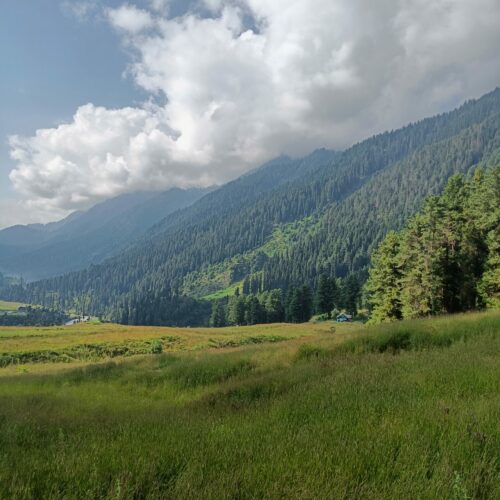
The entire trek route consists of mountain trails, forest and vast meadows. The trail is moreover defined and it doesn’t involve any kind of difficult sections or technical climbing using ropes or other equipment.
The best time to do this trek is pre monsoon - March to may and Post monsoon - August to Late september. In both these seasons the weather is pleasant and there is a low chance of rain.Day-time temperatures can range from 15 °C to 18 °C and at night about 02-05 degrees.
What kind of meals will be provided?
There will be freshly cooked meals; breakfast (Bread Omelet, Paratha, Puri Bhajii, Muesli, Corn Flakes etc), Lunch and Dinner provided during the trek which will be a mix of Indian food (Roti-Sabji, Tarkari, Daal Rice etc). We will also organize evening snacks and refreshments. Our cooks are very experienced and will be happy to entertain any particular requests kids may have for meals. All the meals are served in the common dining area/tent.
What will the campsite look like?
There will be sleeping tents on double sharing basis with a mattress and sleeping bags.
A dining tent with tables and stools - where the meals will be served.
There will be toilet tents with a pit-loo and ortho seat.
A kitchen tent will be set up by the staff for them to cook the meals.
How much weight can I carry?
You need to carry your small daypack during the trek. (With your water bottle, a jacket and some trail snacks).
For the main luggage (which will be offloaded onto mules), 5kg is allowed per participant.
Since it’s only 3 nights of stay on the trek, we recommend you to not over pack and stick to essentials. Excess baggage will attract off loading costs.
How will I communicate with my family?
Mostly all network works in Manali city. However, there is no stable network available on the trek once you start the trek.
We recommend you to inform your family and friends accordingly.
What medical emergency provisions will be provided?
Our Trek Leaders and support staffs are certified in first aid as well as experienced in dealing with altitude sickness related issues. Although, it’s an easy trek and there are almost zero chance of any medical situations, in case of any emergency, we are equipped to provide first aid and medical assistance. Our team will daily monitor the fitness of the participants and talk to you about how are doing every day. We will be carrying a comprehensive medical kit with medicines like Diamox (for high-altitude sickness), Combiflam/Brufen (pain killer), and generic medicines for stomach ache, bandages, Dettol etc. We will also carry an Oxymeter to monitor oxygen saturation levels in case some one is not feeling well. In case you have any prior prescriptions from your doctor, please carry your medicines.
Who will be the support staff?
There will be a lead guide and an assistant depending on the size of the group. The trekker to guide ratio is 3:1.
Additional staff at the camps include a cook, helpers and horsemen to carry the luggage.


Backpack offloading
Western style bio-toilet

3:1 guide ratio

Extra Spacious Tents

Small group size

Group airport pick-ups and drops

Premium dining tents

Personalised attention