

Why Mera Peak Climb Should Be Your First 6,000-Meter Peak Expedition in Nepal: 5 Reasons Beginners Love This Himalayan Climb
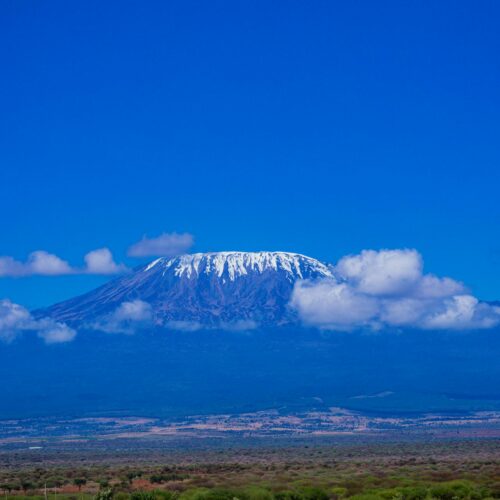
Are you an experienced trekker? Have alredy ticked off some of the challenging high-altitude treks like Everest Base Camp Trek, Annapurna Base Camp Trek, Manaslu Circuit Trek, Kilimanjaro Trek from your trek bucketlist? Are you dreaming of standing atop a real Himalayan summit but not sure where to begin? For those who are looking to step into the world of high-altitude mountaineering, Mera Peak Climb in Nepal offers one of the most rewarding and relatively accessible introductions. Rising to the staggering elevation of 6,476 meters (21,247 ft), it combines incredible mountain views, a true big mountain climbing expedition experience, and a non-technical climbing route that makes it ideal for first-time aspiring mountaineers.
At Adventure Pulse, we have seen countless trekkers eventually reach a point where trekking alone is no longer enough. As trekkers gain more experience and confident on multi-day treks in India and Nepal Himalayas, the desire to climb higher, test personal limits, and experience the thrill of a summit push begins to grow. For many of our veteran trekkers, Mera Peak Climb has been the perfect bridge between trekking and mountaineering. With a great success in all our recent expeditions on Mera Peak, many of Adventure Pulse clients have reached the summit and gained a valuable altitude and climbing experience added to their climbing and trekking portfolio.
In this guide, we’ll explore five compelling reasons why Mera Peak should be your first 6,000-meter peak in Nepal and why it continues to attract adventurers from around the world.
What Makes Mera Peak Climb Special?
Located in the remote Hinku Valley of eastern Nepal, Mera Peak is considered as the highest trekking peak in Nepal. Unlike technical alpine climbs that require advanced rope skills and extensive mountaineering experience, Mera Peak offers a more approachable route while still delivering the challenges and rewards of a true Himalayan expedition.
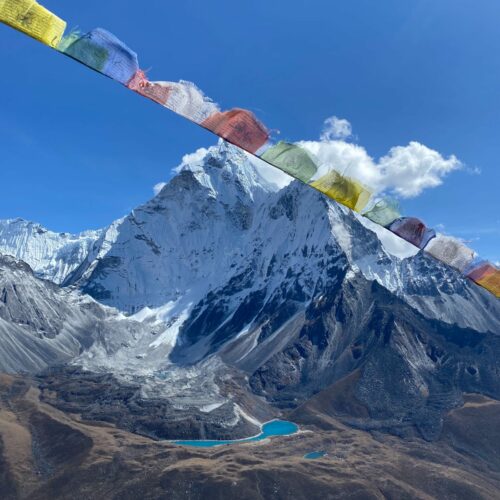
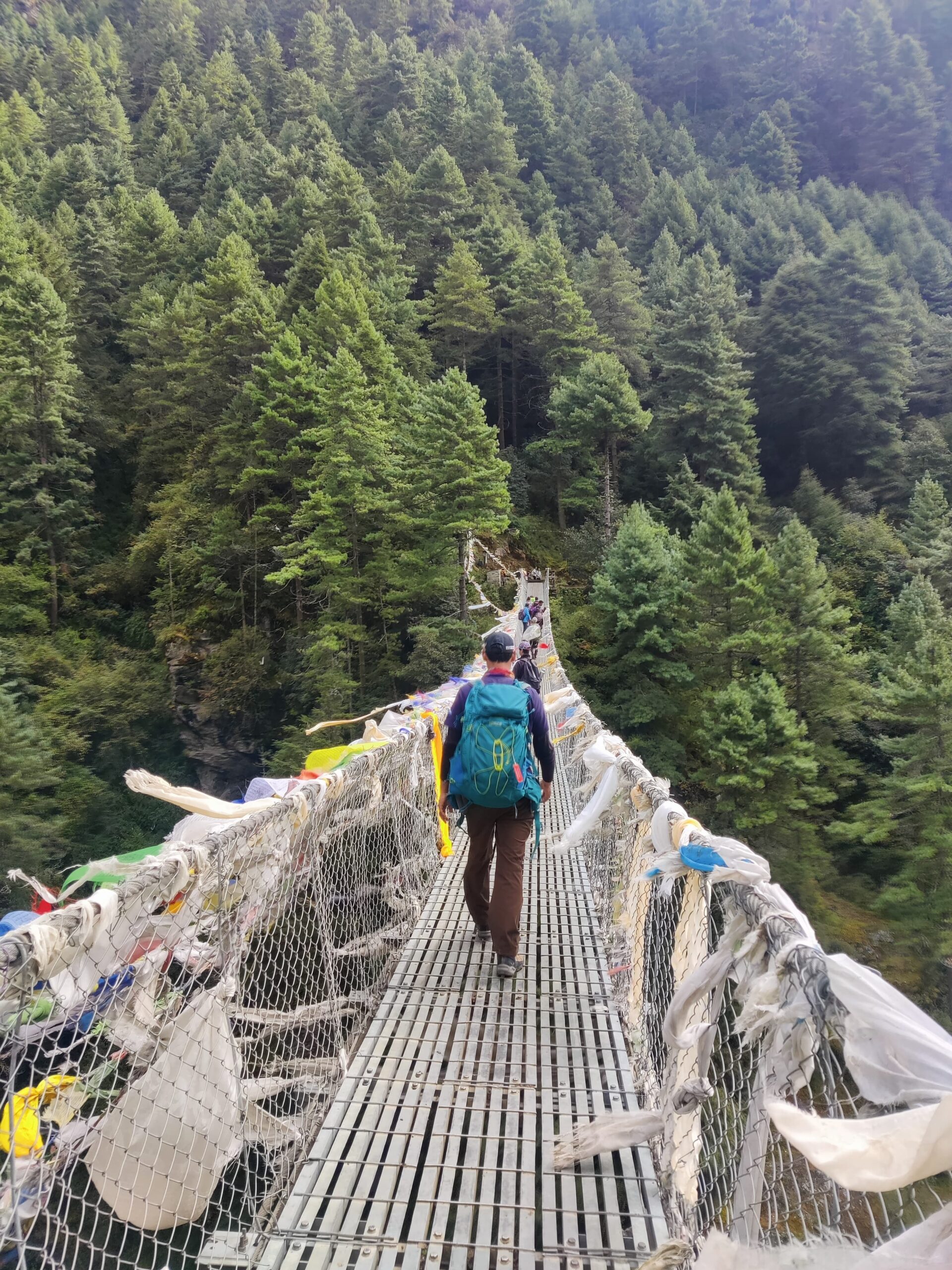
The journey to reach the summit of Mera Peak takes you through pristine rhododendron forests, traditional Sherpa settlements situated in the most picturesque locations, challenging glacial terrain, and eventually to one of the most spectacular viewpoints in the Himalayas at the elevation reaching up to 6500 meters.
From the Mera Peak summit, climbers are treated to views of five of the world’s highest mountains:
Mount Everest (8,848.86m)
Lhotse (8,516m)
Makalu (8,485m)
Cho Oyu (8,188m)
Kangchenjunga (8,586m)
Very few mountains in Nepal offer such an extraordinary panoramic experience.

Now, let us give you the five major reason to climb Mera Peak in 2027.
1. Mera Peak Is the Most Beginner-Friendly 6,000-Meter Peak in Nepal
One of the biggest reasons we recommend Mera Peak as a first Himalayan climb is its relatively straightforward route.
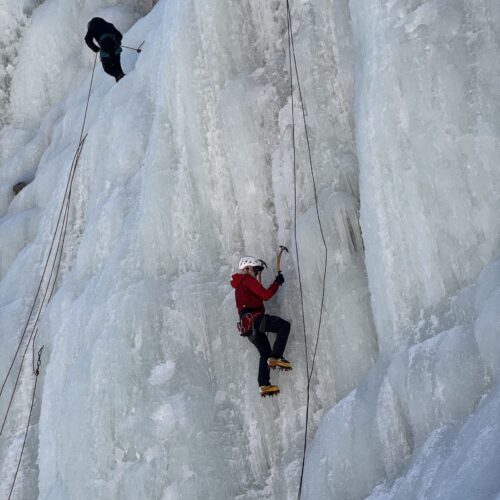
Unlike peaks such as Island Peak or Lobuche East in Nepal, Mera Peak Climb does not involve extensive technical sections. Most of the ascent consists of walking on snow slopes and glaciers at a steady pace and on a gradual incline. Climbers use mountaineering equipment such as mountaineering boots with crampons, ice axes (depending on the snow conditions), harnesse with a jumar and a safety line. For safety climbers get roped up together duing the summit night climb and may end up using jumar (ascender) on a fixed rope for the last strech up to the summit if necessary, but the climb itself is generally considered non-technical. However, don’t underestimate the mountain. The altitude, long distance and gradient on the summit push make it a very challenging endeavour for beginner mountaineers wanting to push their limits.
This makes Mera Peak an excellent choice for:
- Experienced trekkers looking to transition into mountaineering
- Outdoor enthusiasts seeking their first high-altitude summit
- Adventurers who want to learn basic alpine skills in a real mountain environment
- People preparing for more challenging climbs in the future
While physical fitness remains essential, the technical barriers to entry are lower than many other Himalayan summits like Lobuche Peak or Island Peak.
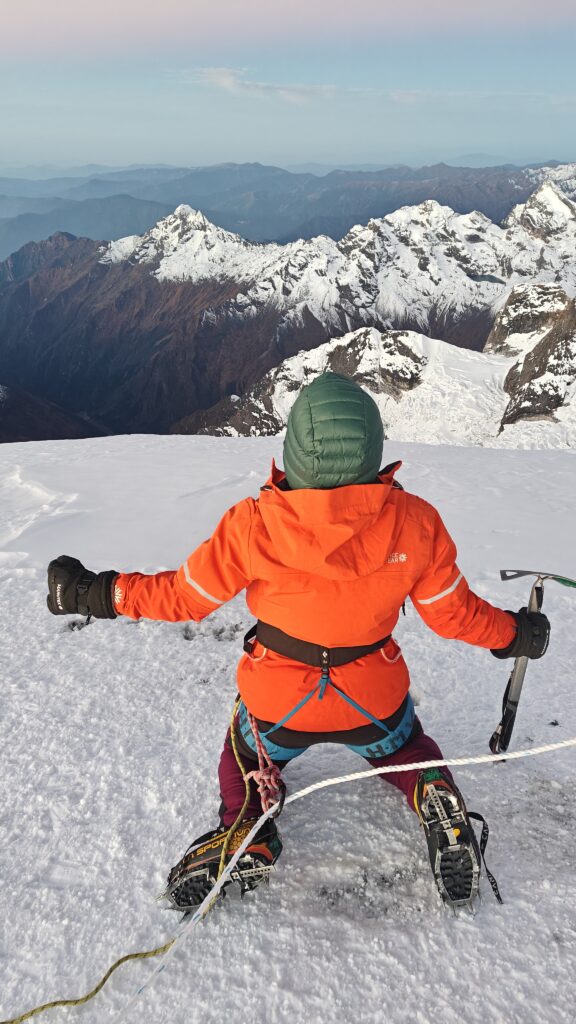
Why This Matters?
Many aspiring mountaineers underestimate the learning curve associated with technical climbing. Mera Peak allows you to focus on altitude management, endurance, and expedition life without becoming overwhelmed by complex climbing techniques.
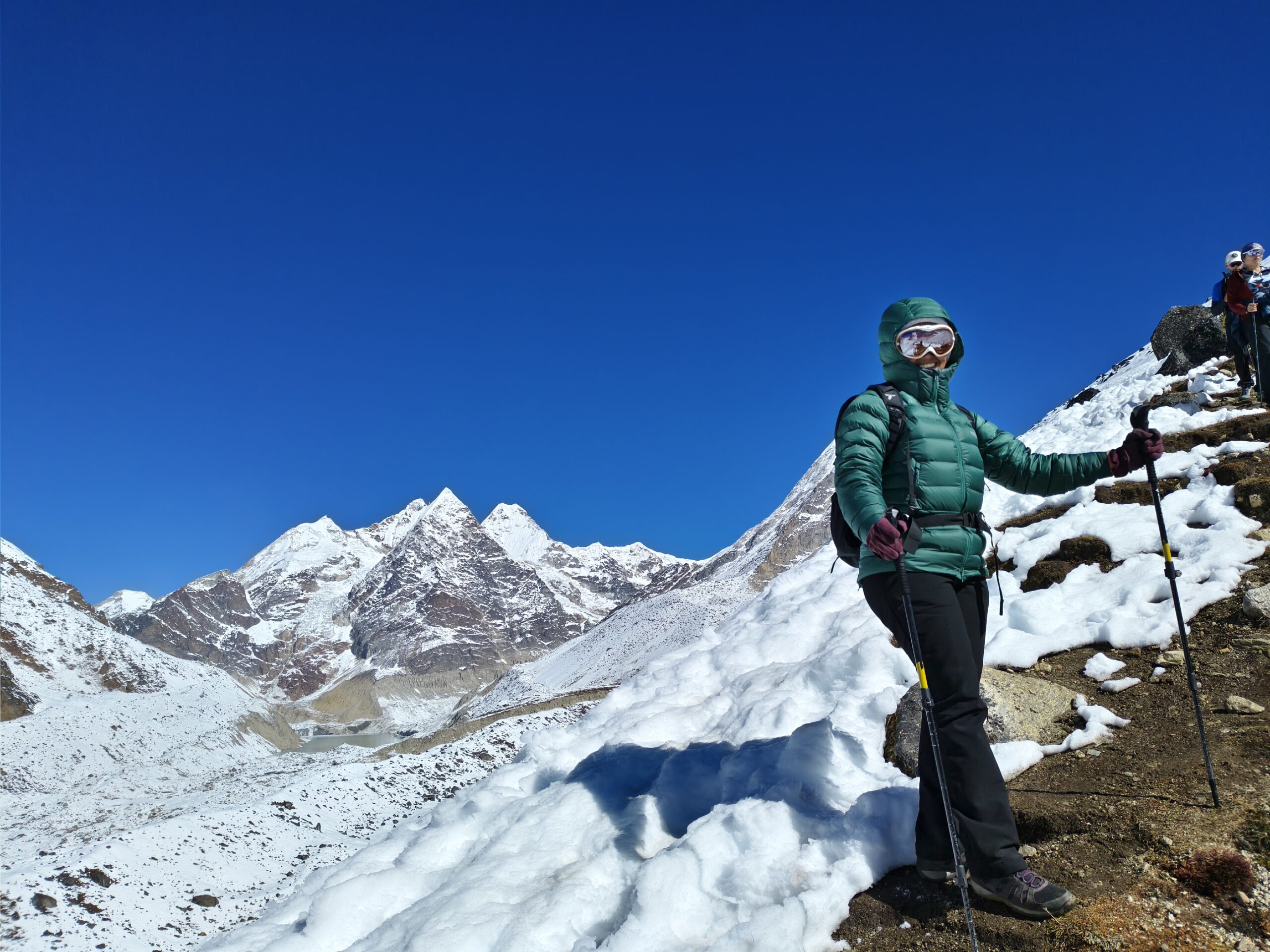
The journey from Lukla to the base village Khare prepares you well to be ready for the challenges of climbing above 5000 meters. You trek through a very diverse terrain to reach Khare and then the landscape transforms into a snow covered winter wonderland as you make your way up to the high camp. The transition from nature trail to snow field galcier traverese adds into the challenge and give the newbie mountaineers an exciting adventure without any complext technical sections.
2. The Acclimatization Profile Increases Your Chances of Success
Altitude is often the biggest challenge on any Himalayan expedition. One of Mera Peak’s greatest advantages is its gradual acclimatization profile. As per our standard route and itinerary via the famous Zatrawa Pass, you will be spending several days ascending through the beautiful Hinku Valley, allowing the body to adapt naturally before reaching higher elevations.
Compared to shorter climbing trips, Mera Peak provides:
- More acclimatization days
- Slower altitude gain (except for the Zatrawa Pass crossing days)
- Reduced risk of altitude sickness
- Better overall summit success rates

Rather than rushing from Lukla directly into high-altitude camps, climbers spend time moving gradually through forests, alpine landscapes, and mountain villages.
You begin your journey at Lukla and pass through remote mountain villages on a very offbeat trails. On the second day you cross over a pass called Zatrawa La which is at the altitude of 4600 meters. This day, although very long, tiring and intimidating due to the terrain and elevation gain really helps in acclimatising well at the start of the expedition. After Zatrawa Pass there is descent that leads to Thuli Kharka and eventually to Kothe. From Kothe onwards it’s a gradual climb all the way up to Khare allowing enough time for trekkers to get used to the thin air at higher altitudes.
A Better Introduction to High Altitudes
For many climbers, Mera Peak becomes their first experience above 6,000 meters. The progressive ascent teaches valuable lessons about hydration, pacing, nutrition, and altitude awareness that can be applied to future expeditions. At Khare, there is a day reserved for acclimatisation and training. Adventure Pulse expedition leaders and climbing guides also teach climbers some basic climbing techniques that are useful on any 6000+ meter mounatains.
Many mountaineers who later attempt peaks such as Ama Dablam, Aconcagua, or even Everest begin their high-altitude journey on Mera Peak.
Read this detailed blog on how to prepare for a 6000 meter mountain: https://adventure-pulse.com/blog/training-for-a-high-altitude-expedition-6000m-climb-tips-from-sherpas-everest-summiteers-part-1/
3. The Summit Views Are Among the Best in the Himalayas
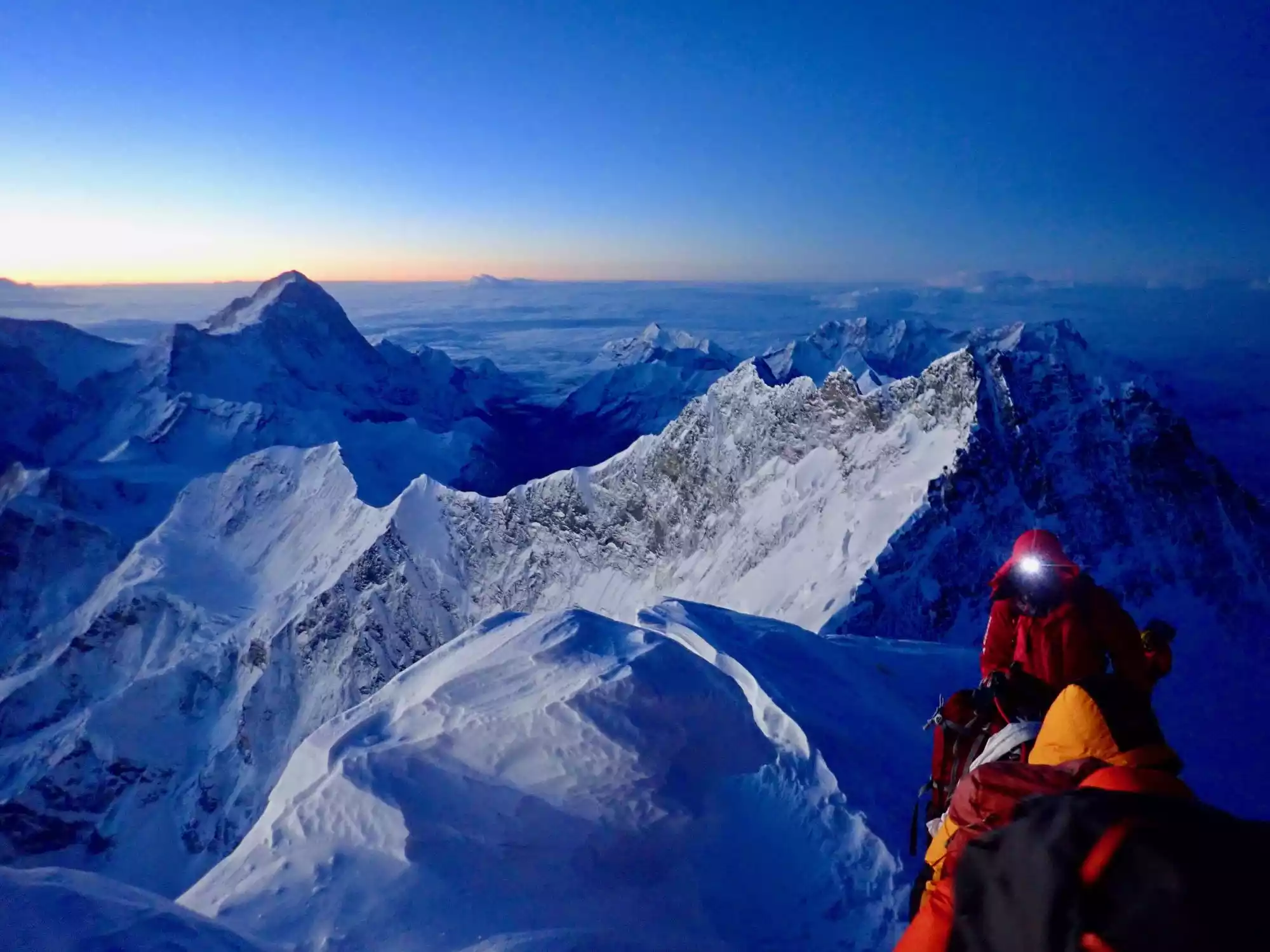
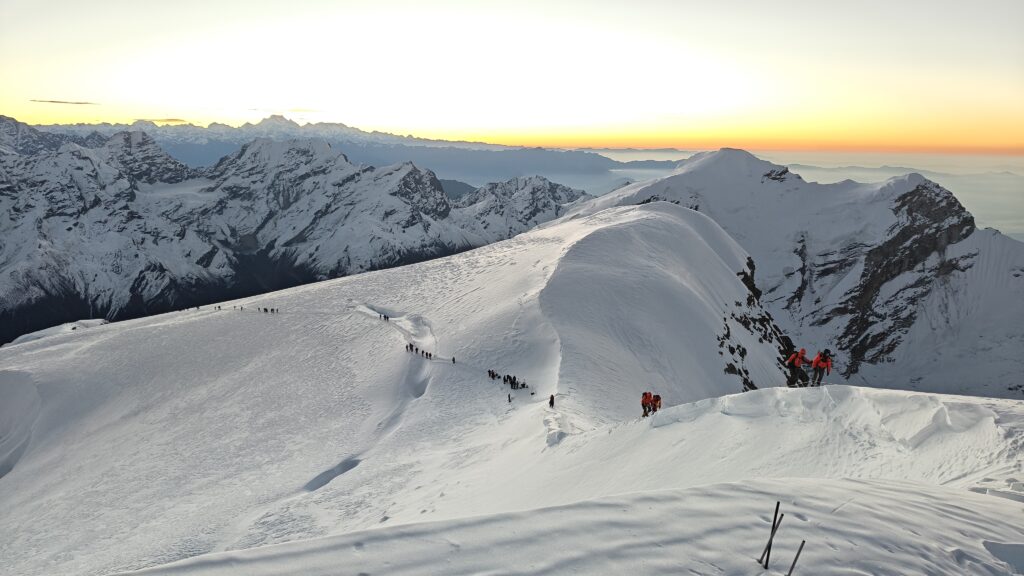
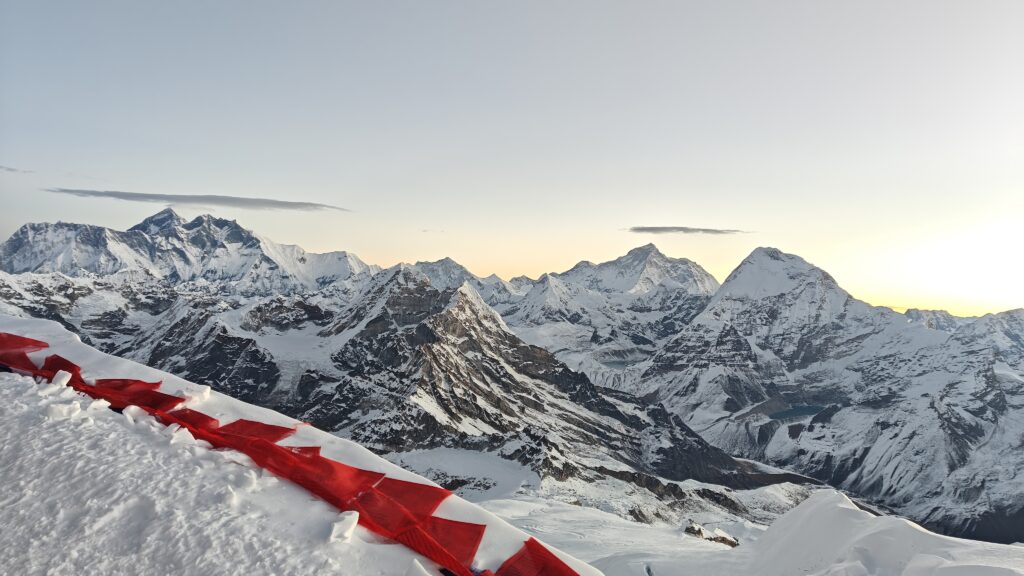
If there is one thing that makes the effort worthwhile, it is the summit panorama. The final summit push often begins at midnight. As the first rays of sunlight illuminate the Himalayan giants, climbers witness one of the most unforgettable scenes in Nepal.
From the summit of Mera Peak, you’ll see:
Everest Region Giants
Mount Everest
Lhotse
Nuptse
Eastern Himalayan Giants
Makalu
Baruntse
Chamlang
Western Himalayan Peaks
Cho Oyu
Distant Eastern Range
Kangchenjunga
Seeing five of the world’s highest mountains from a single viewpoint is a rare privilege that climbers get when they reach the summit of Mera Peak. For photographers, content creators, and adventure storytellers, Mera Peak offers endless opportunities to capture dramatic Himalayan landscapes. The summit experience often becomes one of the defining moments of a climber’s life.
4. You’ll Experience a True Himalayan Expedition
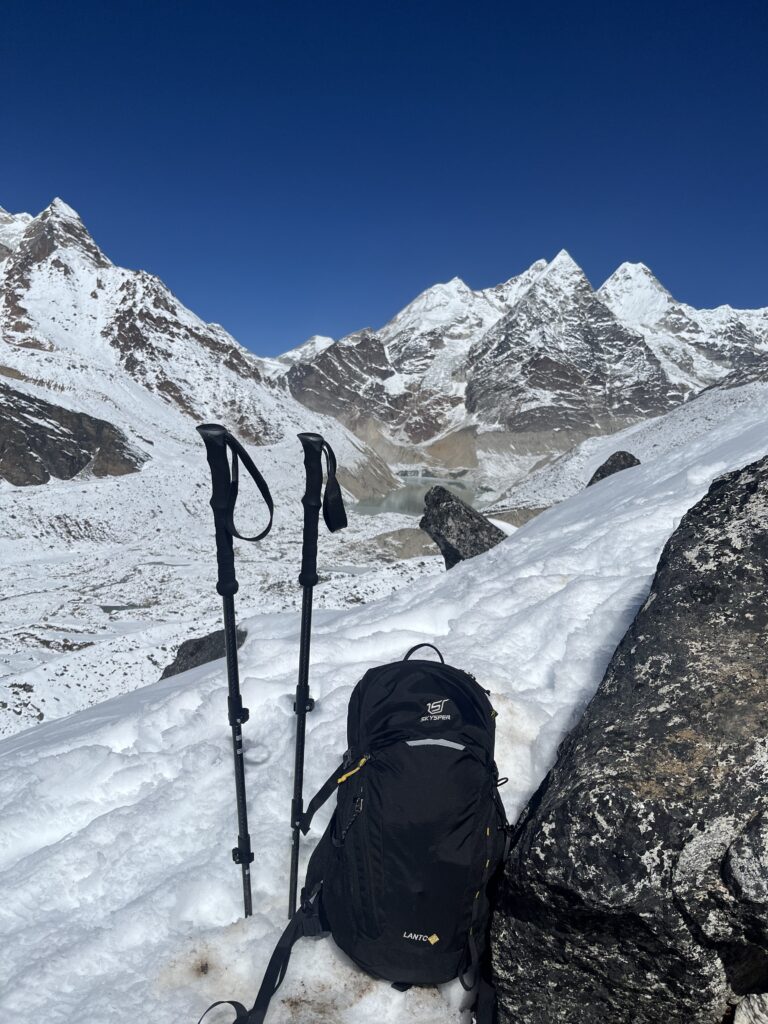
Unlike popular trekking routes crowded with teahouses and large groups, the journey to Mera Peak feels significantly more remote and adventurous. The trail follows the beautiful Hinku Valley, a region that sees far fewer visitors than the Everest Base Camp route. The villages on the Mera Peak route are so small compared to many popular landmarks on the Everest Base Camp Trek Route.
Along the way, you’ll encounter:
- Dense rhododendron and bamboo forests
- Alpine meadows
- Glacial rivers
- Remote mountain settlements
- High-altitude camps
- Vast Himalayan wilderness
The expedition introduces participants to essential aspects of mountaineering, including:
- Camp life at altitude
- Glacier travel
- Rope team movement
- Weather management
- High-altitude decision-making
- A Genuine Sense of Adventure
For many people, Mera Peak feels like an expedition rather than just a trek. The combination of isolation, mountain logistics, and summit strategy creates an authentic Himalayan climbing experience. It’s an ideal stepping stone toward more ambitious mountaineering goals.
5. Mera Peak Builds Confidence for Future Mountaineering Challenges
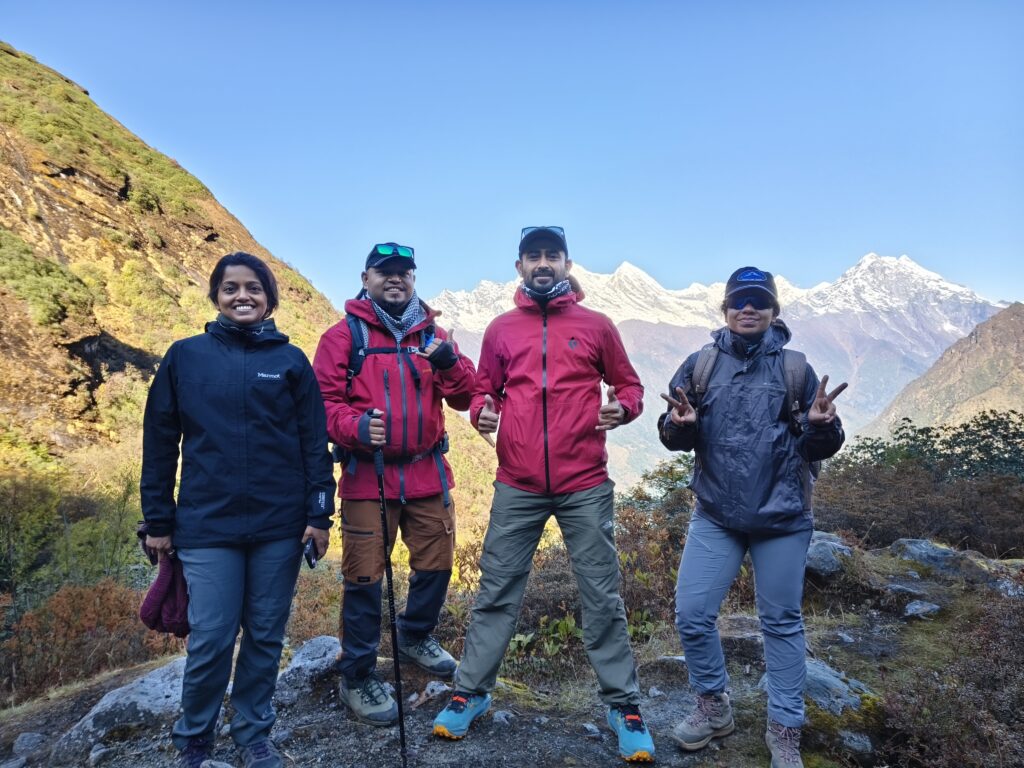
Perhaps the most important reason to choose Mera Peak as your first 6,000-meter mountain is the confidence it provides. Reaching the summit teaches skills and lessons that cannot be learned from books or training programs alone. The trekking days are longer, the weather changes quickly and the altitude adds into the challenge with every step you take. All these provides trekkers to learn to survive and manage in different kind of conditions. This real and practical exposure helps climbers to build not only mental resellience but also understand their physical fitness and overall awareness and experience as a mountaineer.
You gain firsthand experience in:
- High-altitude performance
- Expedition planning
- Layering and gear management
- Snow travel techniques
- Mental resilience
- Summit-day strategy
After successfully climbing Mera Peak, many adventurers go on to tackle:
- Island Peak
- Lobuche East
- Ama Dablam
- Aconcagua
- Denali
- Everest
A foundation for bigger goals:
Mera Peak gives climbers the confidence to understand how their bodies perform at altitude and what it takes to succeed on bigger mountains. It serves as an invaluable training ground for future expeditions around the world.
Is Mera Peak Right for You?
Mera Peak is an excellent choice if you:
- Have trekking experience in the Himalayas or other mountain regions
- Maintain a good level of fitness
- Want to experience your first Himalayan summit
- Are interested in learning mountaineering skills
- Prefer gradual acclimatization and higher summit success rates
- Dream of progressing toward more challenging alpine objectives
You do not need extensive technical climbing experience, but prior trekking experience and a commitment to training will significantly improve your expedition experience.

Prepare for Your First 6,000-Meter Adventure
Climbing Mera Peak is about much more than reaching a summit. It’s about discovering what you’re capable of, stepping beyond your comfort zone, and experiencing the Himalayas from a completely new perspective. For trekkers looking to make the transition into mountaineering, few mountains offer a better combination of accessibility, adventure, breathtaking scenery, and high-altitude experience. Whether your long-term goal is to climb Everest someday or simply to challenge yourself on a Himalayan expedition, Mera Peak provides the perfect starting point.

Among Nepal’s many trekking peaks, Mera Peak stands out as the ideal first 6,000-meter mountain. Its non-technical route, outstanding acclimatization profile, world-class summit views, authentic expedition atmosphere, and invaluable learning opportunities make it one of the best introductions to high-altitude climbing anywhere in the world.
If you’ve already completed a few treks and are ready to aim higher, Mera Peak may well be the mountain that transforms you from a trekker into a mountaineer.
For more details on our upcoming Mera Peak Expedition group departures, visit our website: https://adventure-pulse.com/trek/mera-peak-expedition/#brief_itinerary
Or write to us with your queries on [email protected]