Established in 2010
  • Call : +917823857531

Adventure PulseAdventure Pulse

  • About Us
    Meet the team!

    Meet the Team!
    Get to know how the magic happens

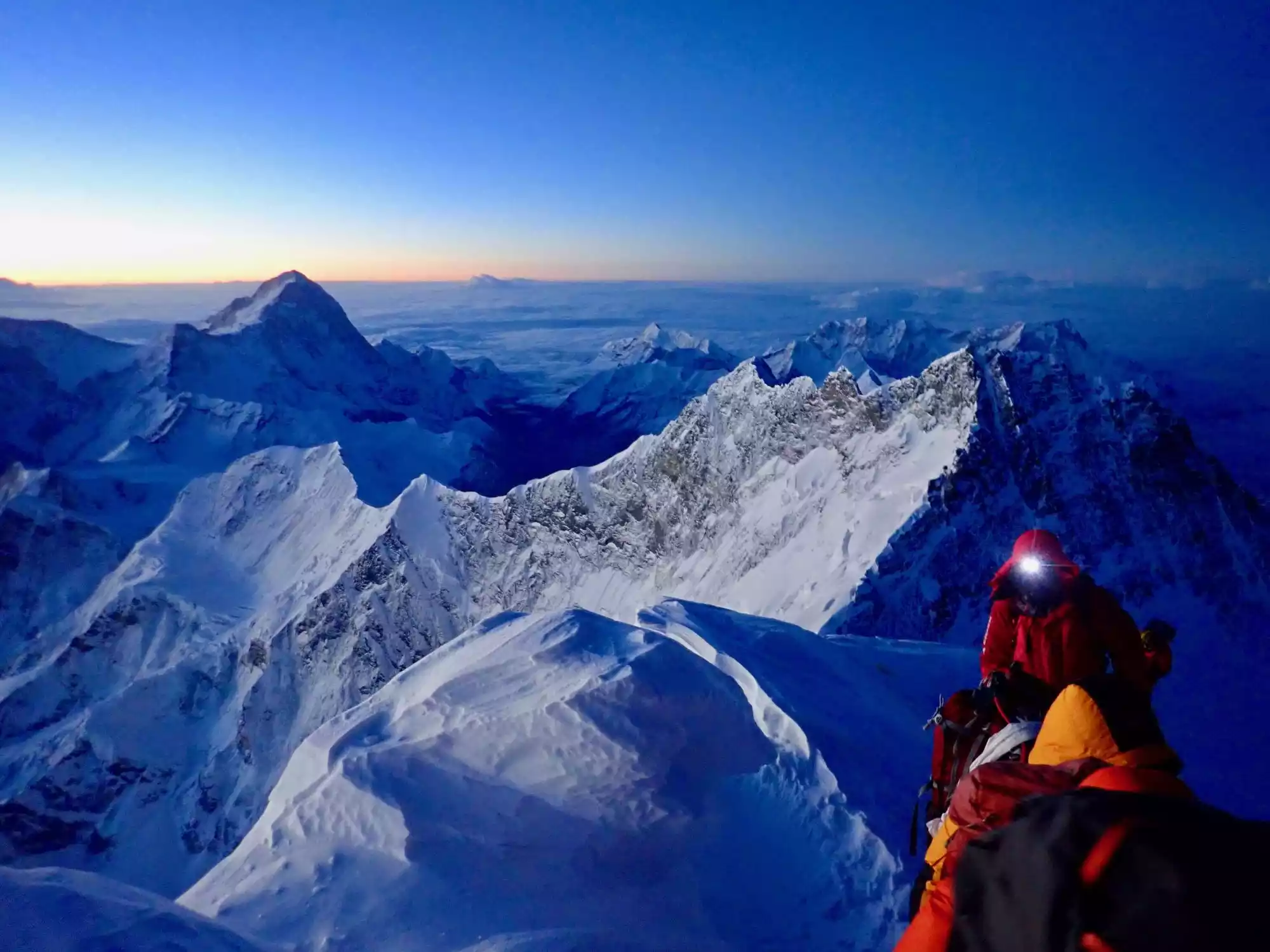
    Summit day

    Our Everest Story
    Find out how our founders scaled to the top!

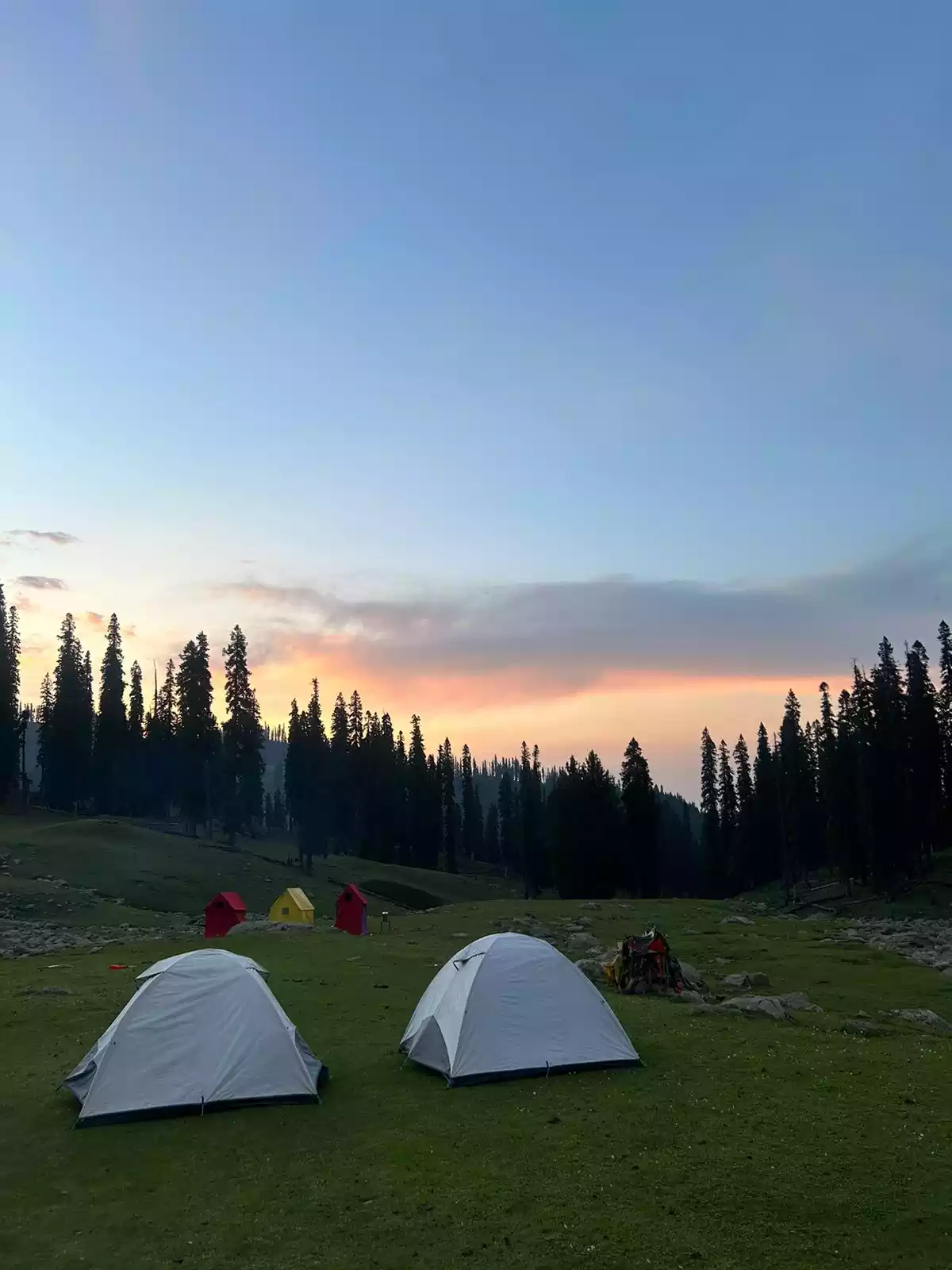
    Silent Meadows Family Trek

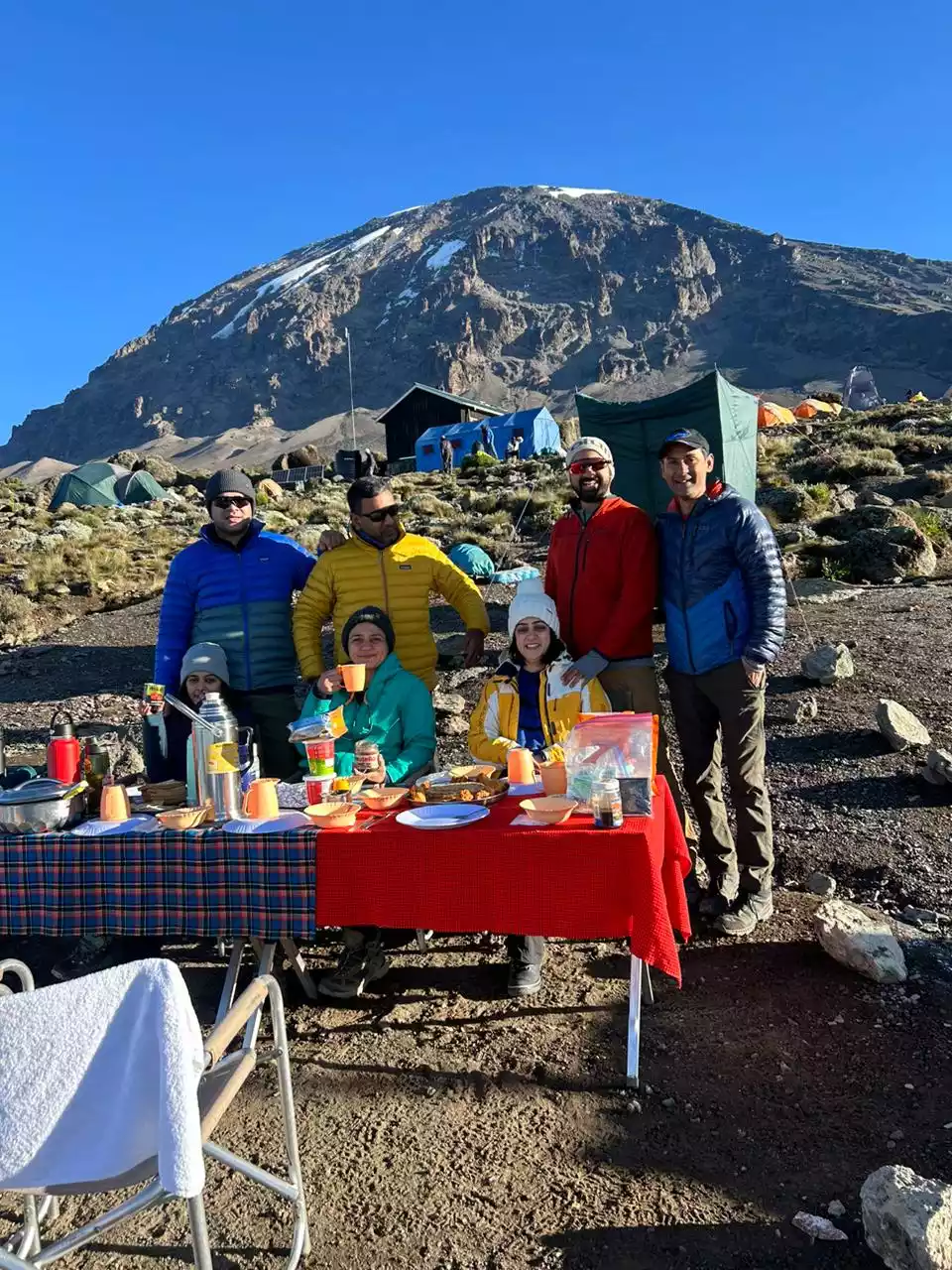
    Why Trek With Us?
    Get treks tailor-made for you

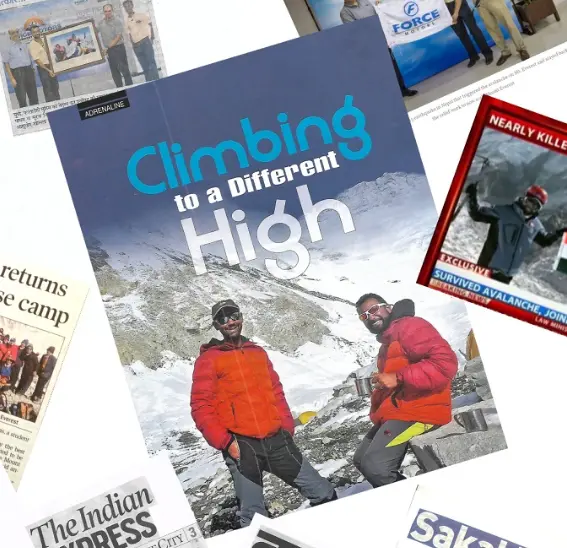
    Climbing to a Different High

    Media Coverage
    Adventure Pulse in the news

    • Meet the Team
    • Our Everest Story
    • Why Trek With Us?
  • Treks
    • Africa
    • Bhutan
    • India
    • Kyrgyzstan
    • Nepal
    • Russia
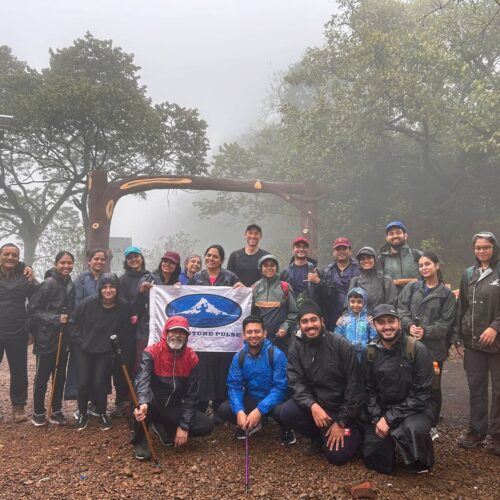
    • Treks Around Pune
    • Family Treks
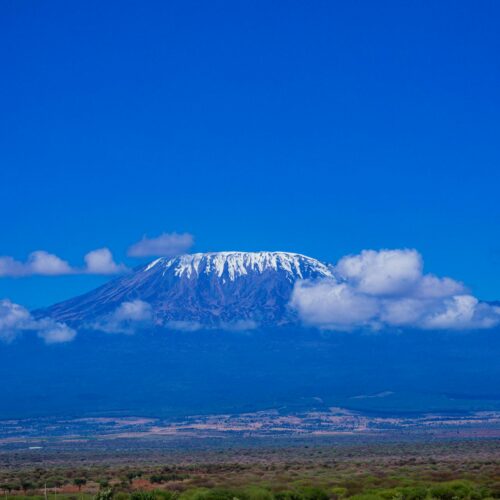
    • Mt. Kilimanjaro (5895m)

    View all Treks in Africa

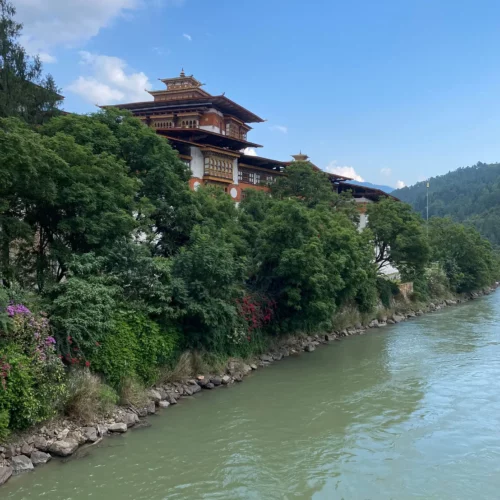
    • Druk Path Trek
    Druk Path

    View all Treks in Bhutan

    • Baleni Glacier Trek
    • Baleni Pass Trek – Extended
    • Chadar Frozen River Trek
    • Dodital – Darwa Pass Trek
    • Gaumukh Tapovan
    • Goecha La Trek
    • Kashmir Great Lakes Trek
    • Kashmir Winter Trek
    • Markha Valley Trek
    • Miyar Valley Trek
    • Nubra Valley Trek
    • Pindari Glacier Trek
    • Rani Sui Lake and Khanpari Tibba Trek
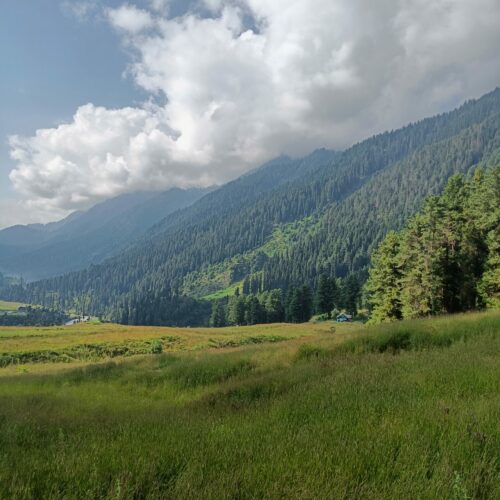
    • Silent Meadows Trek
    • Sunderdhunga Glacier Trek
    A scenic grassy field with trees and distant mountains under a clear blue sky.

    View all Treks in India

    • Ak Suu Traverse Trek
    • Lenin Peak Base Camp Trek
    A scenic grassy field with trees and distant mountains under a clear blue sky.

    View all Treks in Kyrgyzstan

    • Annapurna Base Camp Trek
    • Annapurna Circuit Trek
    • Everest Base Camp Trek
    • Gokyo Lakes Trek
    • Langtang Valley Trek
    • Manaslu Circuit Trek
    • Mardi Himal Trek
    • Poon Hill Trek, Nepal
    • Tamang Heritage Trek
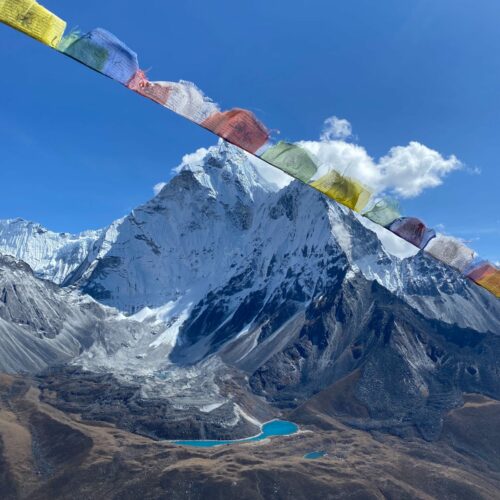
    Everest Bace Camp

    View all Treks in Nepal

    • Mt. Elbrus (5642m)

    View all Treks in Russia

    • Andharban Forest Trek
    • Dhakoba Peak Trek
    • Duke’s Nose Trek
    • Gorakhgad Trek
    • Harishchandragad Trek
    • Irshalgad Fort Trek
    • Katraj to Bopdev Ghat Trek
    • Katraj to Sinhagad Night Trek
    • Ramdara Temple Hill Trek
    • Tung Fort Trek
    • Vichitragad (Rohida Fort) Trek
    Andharban Jungle Trek

    View all Treks Around Pune

    • Baleni Glacier Parents Child Trek
    • Dodital – Darwa Pass Trek
    • Mardi Himal Trek
    • Poon Hill Trek, Nepal
    • Rani Sui Lake and Khanpari Tibba Trek
    • Silent Meadows Family Trek
    • Tamang Heritage Trek
    • Tarsar Marsar Trek
    • Africa
        • Mt. Kilimanjaro (5895m)
    • Bhutan
        • Druk Path Trek
    • India
        • Baleni Glacier Trek
        • Baleni Pass Trek – Extended
        • Chadar Frozen River Trek
        • Dodital – Darwa Pass Trek
        • Gaumukh Tapovan
        • Goecha La Trek
        • Kashmir Great Lakes Trek
        • Kashmir Winter Trek
        • Markha Valley Trek
        • Miyar Valley Trek
        • Nubra Valley Trek
        • Pindari Glacier Trek
    • Kyrgyzstan
        • Ak Suu Traverse Trek
        • Lenin Peak Base Camp Trek
    • Nepal
    • Russia
        • Mt. Elbrus (5642m)
    • Treks Around Pune
        • Andharban Forest Trek
        • Dhakoba Peak Trek
        • Duke’s Nose Trek
        • Gorakhgad Trek
        • Harishchandragad Trek
        • Irshalgad Fort Trek
        • Katraj to Bopdev Ghat Trek
        • Katraj to Sinhagad Night Trek
        • Ramdara Temple Hill Trek
        • Tung Fort Trek
        • Vichitragad (Rohida Fort) Trek
    • Family Treks
        • Baleni Glacier Parents Child Trek
        • Dodital – Darwa Pass Trek
        • Mardi Himal Trek
        • Poon Hill Trek, Nepal
        • Rani Sui Lake and Khanpari Tibba Trek
        • Silent Meadows Family Trek
        • Tamang Heritage Trek
        • Tarsar Marsar Trek
  • Climbs
    • 8000m
    • 7000m
    • 6000m
    • 5000m
    • Winter Climbing Workshop

    View all Climbs above 8000m

    • Mt. Nun (7135m)

    View all Climbs above 7000m

    • Ama Dablam (6812m)
    • Dzo Jongo (6240m)
    • Island Peak (6189m)
    • Kang Yatse 1 (6400m)
    • Kang Yatse 2 (6250m)
    • Lobuche Peak (6119m)
    • Mentok Kangri (6250m)
    • Mera Peak (6,476m)
    • Mt. Aconcagua (6962m)
    • UT Kangri II (6030m)
    • Yunam Peak (6111 m)

    View all Climbs above 6000m

    • Kanamo Peak (5974m)
    • Mt. Elbrus (5642m)
    • Mt. Kilimanjaro (5895m)
    • Yala Peak (5,500m)

    View all Climbs above 5000m

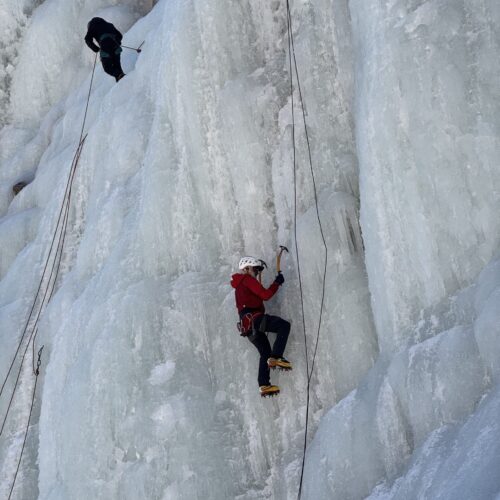
    • Winter Climbing Workshop – Ladakh
    Winter Climbing Workshop

    View all Winter Climbing Workshops

      • Ama Dablam (6812m)
      • Dzo Jongo (6240m)
      • Island Peak (6189m)
      • Kanamo Peak (5974m)
      • Kang Yatse 1 (6400m)
      • Kang Yatse 2 (6250m)
      • Lobuche Peak (6119m)
      • Mentok Kangri (6250m)
      • Mera Peak (6,476m)
      • Mt. Aconcagua (6962m)
      • Mt. Elbrus (5642m)
      • Mt. Kilimanjaro (5895m)
  • Corporate
    school

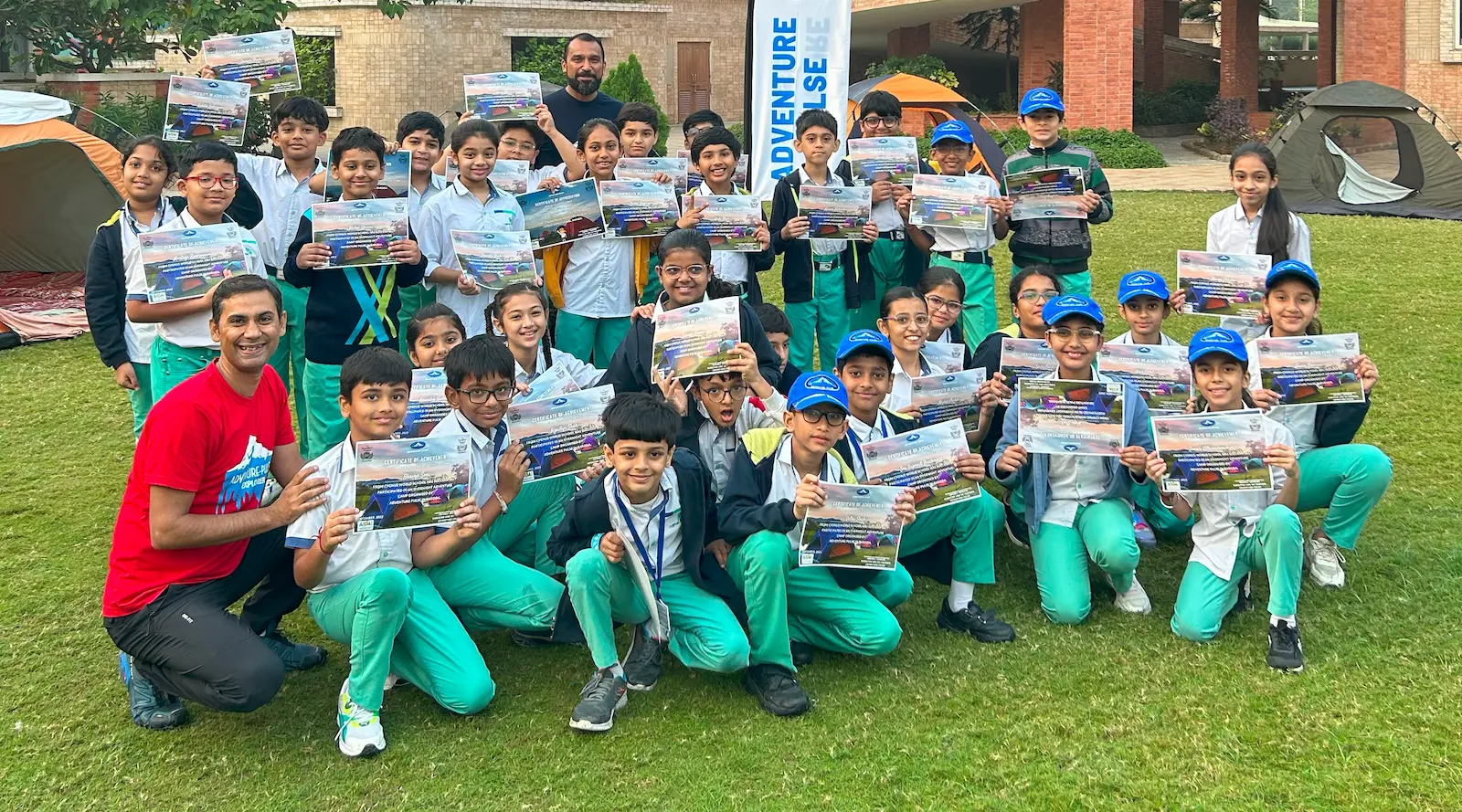
    School Programs
    Lessons Beyond Textbooks

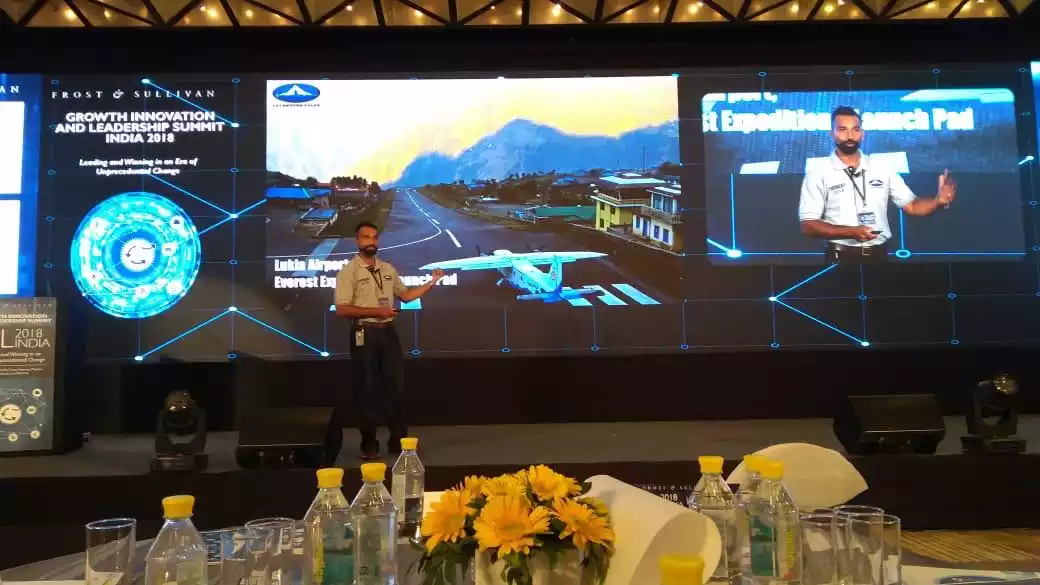
    Growth Innovation and Leadership Summit India 2018

    Corporate Programs
    Outdoor Skills Meet Corporate Excellence

    • School Programs
  • Calendar
    A group of people smiling and posing together

    Custom Treks
    Customize according to your needs

    Langtang Valley Trek

    Choose Your Trek
    Customize according to your needs

    Everest Base Camp Trek

    Trek Calendar
    See our upcoming adventures for 2026 and beyond!

    • Custom Treks
    • Choose Your Trek
    • Trek Calendar
  • Blog
  • Contact Us
  • Register
Inquire Now

Why Mera Peak Should Be Your First 6000-Meter Climb?

by Umang Dave / Monday, 09 February 2026 / Published in Climbing Expeditions, Nepal
Golden sunlight on the summit of Mera Peak

Why Mera Peak Should Be Your First 6000-Meter Climb?

Are you a seasoned trekker? Have you already ticked off some of the challenging high-altitude treks like Everest Base Camp trek, Kilimanjaro trek, Goecha La trek or Markha Valley trek? Are you looking to challenge yourself even more and transition into a mountaineer from trekker? Is climbing a 6000-meter peak next on your adventure bucket-list? If answers to all these questions is “Yes” then the Mera Peak in Nepal is the mountain you have been looking for.

Known as the highest trekking peak not just the Himalayas but in the world, Mera Peak (6,476m) in Nepal is widely considered the best choice for your first 6000-meter climb because it combines accessibility, safety, breathtaking landscapes, mesmerizing views of big mountains and rich culture; all without the overwhelming technical challenges.
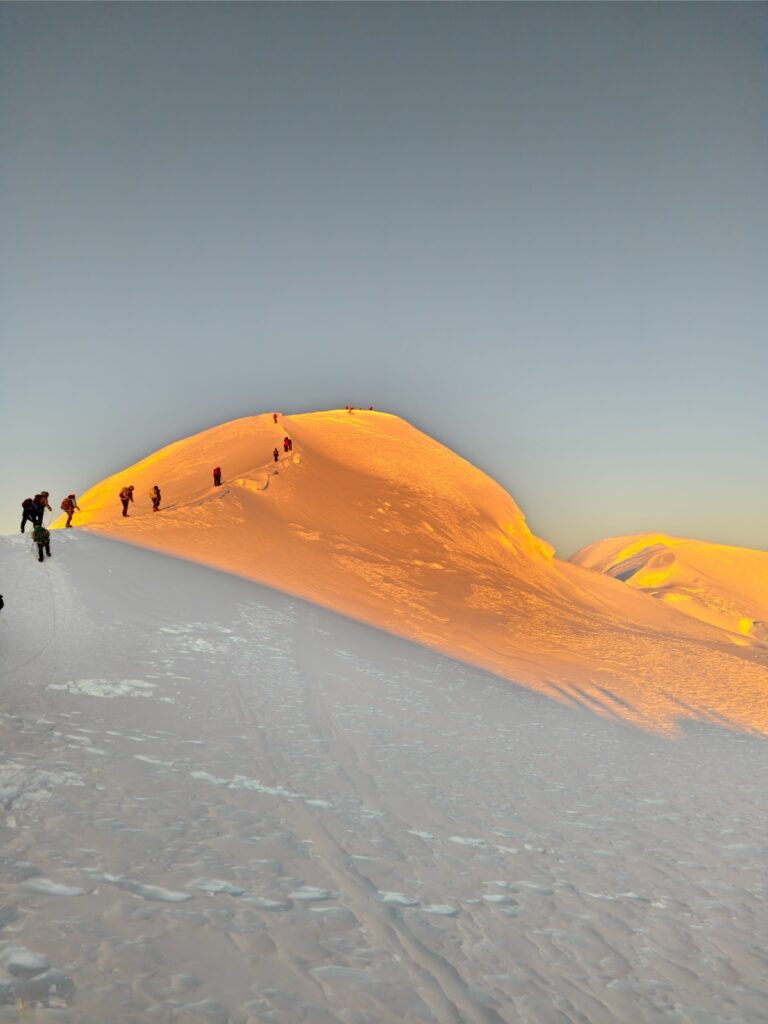
Golden sunlight on the summit of Mera Peak

For any trekker who aspires to get into mountaineering, climbing their first 6000-meter peak is a big milestone. This is where trekking meets mountaineering, and choosing the right mountain for this transition makes all the difference.

Nepal is known for its many trekking routes and climbing peaks. Among the plethora of trekking peak options, Mera Peak (6,476m) stands out as the perfect introduction to high-altitude climbing.

Where is Mera Peak?

Mera Peak is located within the Solukhumbu district in the Khumbu region of northeastern Nepal. Part of the Mahalangur Himalaya range and the Barun sub-section, Mera Peak lies south of Mount Everest and north of the Hinku Valley. The summit offers magnificent panoramic views of five of the world’s tallest mountains: Everest, Lhotse, Makalu, Cho Oyu, and Kanchenjunga.
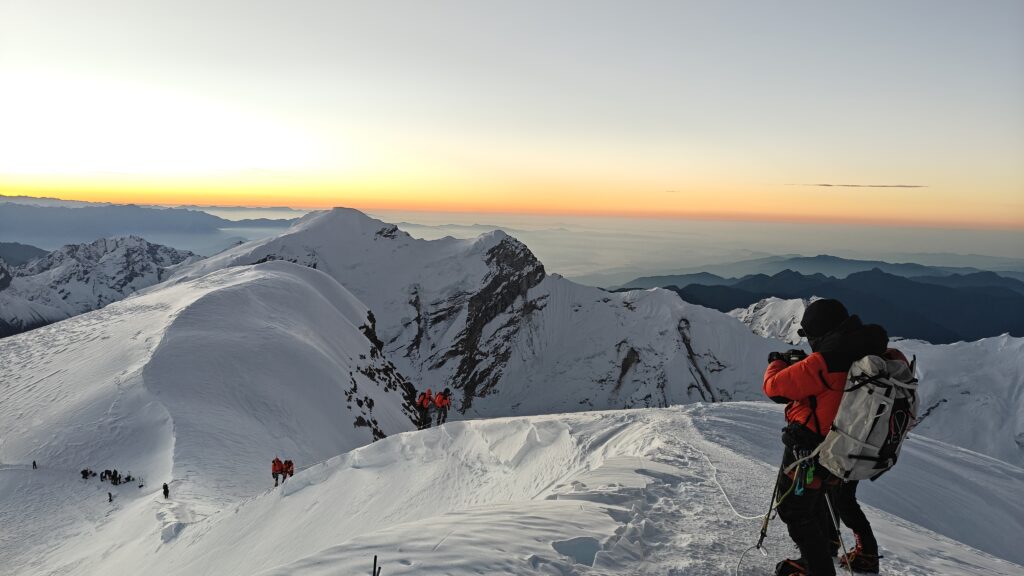
Sunrise view from the summit of the Mera Peak in Nepal

Sunrise view from the summit of the Mera Peak in Nepal

Fun fact about Mera Peak –

There are Three main summits – Mera North (6,476 m), Mera Central (6,461 m), Mera South (6,065 m). Most climbers attempt the Mera Central summit.

Mera peak is a standalone mountain with many 7000m and 8000m peaks around it. This makes the Mera peak summit a great vantage point to witness views of Everest, Lhotse, Makalu, Cho Oyu, and Kanchenjunga, five of the world’s tallest mountains.

Mera Peak is also surrounded by huge glaciers, which adds into the dramatic alpine landscape of the Makalu Barun National Park and the Hinku Khola valley.

Here’s a detailed information on what makes Mera Peak a perfect first 6000 Meters peak in Nepal.

1. Beginner-Friendly Climb

Although a challenging climb, Mera Peak is considered a trekking peak. When compared to other 6000m peaks in Nepal like Island Peak and Louche Peak, Mera Peak is low on the technical difficulty as the climb is more about the endurance and does not require much of technical rope work or serious climbing skills. Climbers with some basic skills like using crampons, ice axes, and walking while being roped up with the team can attempt the summit of Mera Peak.

The Mera Peak climb also offers a safe learning environment for aspiring mountaineers. With the support from professional Sherpa guides, a well-planned itinerary with rest, acclimatization and training days incorporated, beginners can gain confidence while staying secure.

2. Stunning Himalayan Views

One of the major reasons to climb Mera Peak as a first 6000-meter peak is the breathtaking, panoramic scenery that the summit offers. From the Mera Peak summit, you can see five of the world’s highest mountains including Everest, Lhotse, Makalu, Cho Oyu, and Kanchenjunga.
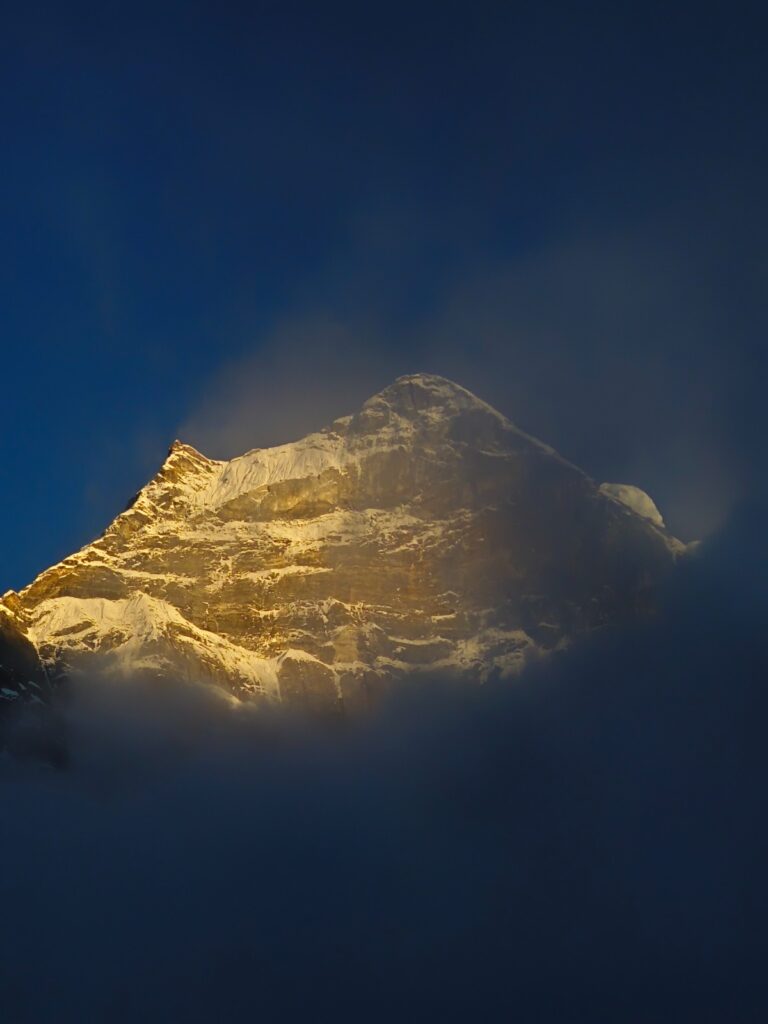
Mera Peak 7

The trek to Mera Peak takes you through some of the prettiest landscapes in Nepal. It is indeed a paradise for the photography enthusiast. From pretty mountain villages with cute teahouses adorned with colorful prayer flags to gushing rivers and streams, high passes offering panoramic views to rugged landscapes that change every day, this journey holds many wonders and will give you ample opportunities to capture some great frames. The sunrise and sunset over these giants are unforgettable, making the climb not just a physical achievement but a visual feast.
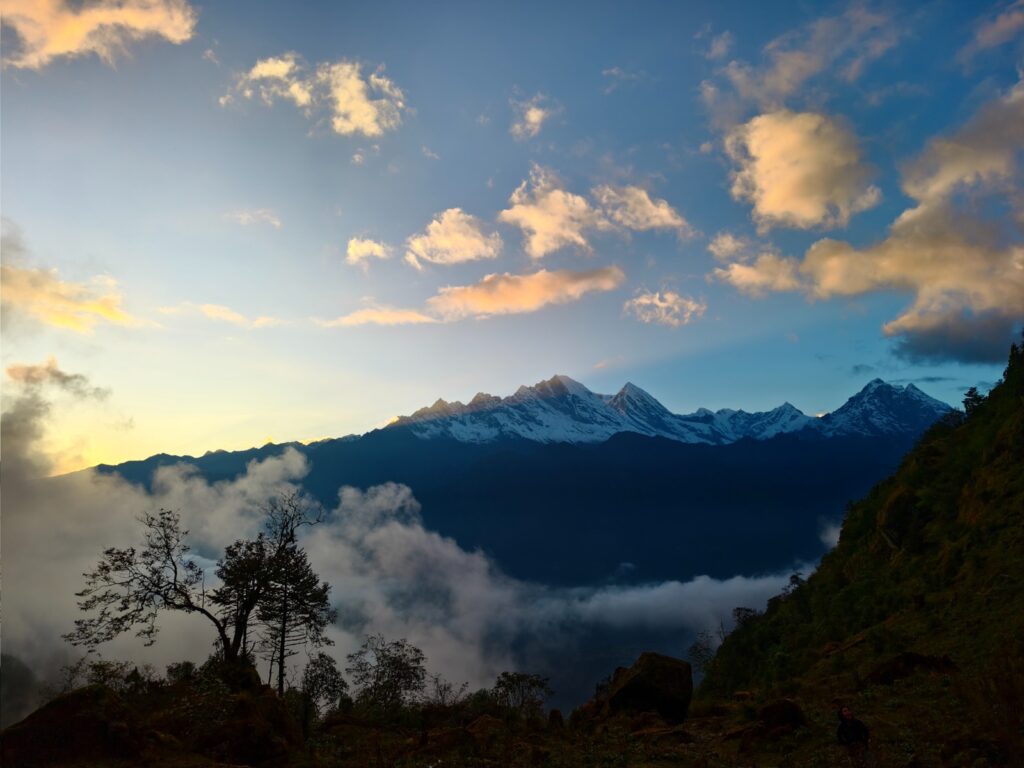
Sunset views on Mera Peak, Nepal

3. High Success Rate

Compared to other 6000-meter peaks, Mera Peak offers a higher success rate due to the following factors:

– Well-designed acclimatization: You start your journey from Lukla which is at 2860 Meters and gradually move up higher. The crossing over the Zatrawa Pass which is at 4600 Meters and the descend to Thuli Kharka at 3900 Meters in the initial couple of days offers the chance to acclimatize well as you are climbing up and sleeping at a lower elevation. The following days on the trek route allows gradual altitude gain, reducing the risk of altitude sickness.

– Supportive logistics: Mera Peak expedition offers great support with respect to the logistics involved. You stay in local lodges and teahouses which provide comfortable basic rooms on twin sharing basis. From the base village one can also get necessary climbing gears on rent. With experienced Sherpa teams and established high camp where you rest before the summit push, most climbers reach the summit successfully. Adventure Pulse provides higher client to guide ratio (3:1) for the trek till Khare and option of opting a personal Sherpa guide (1:1) for the summit.
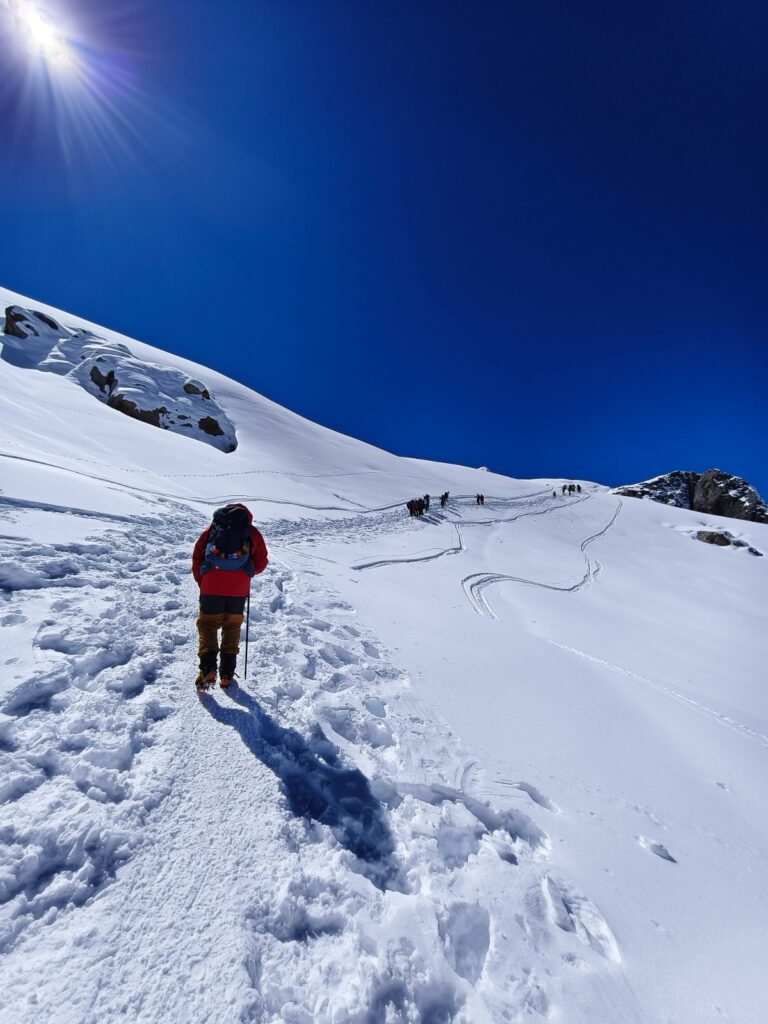
A climber walking through snow glacier on the Mera Peak

4. Affordable Adventure

– Cost-effective compared to bigger expeditions: When compared to similar expeditions in Nepal or other parts, climbing Mera Peak is far cheaper than tackling 7000m+ peaks, making it accessible for those testing the waters.

– Value for money: Adventure Pulse Mera Peak Expedition include guides, permits, food, and accommodation, ensuring a smooth experience without hidden costs.

5. Cultural Immersion

– Sherpa villages and traditions: The trek from Lukla to Khare passes through the remote Hinku valley and some very pretty villages. Climbers get a chance to explore around the villages and get a glimpse into the authentic Himalayan life. On the way from Kothe to Thangnak, trekkers stop by and offer prayers at a the 2-century-old Lungsumgba Gompa for a safe and successful summit. The monastery has some ancient rock carvings and murals that gives a glimpse of the rich Tibetan Buddhism culture prevalent in the valley.

– Rich experiences beyond climbing: During the Mera Peak Expedition, you’ll walk through rhododendron and bamboo forests, cross suspension bridges, and share tea with locals at the lodges and teahouses. You will enter the massive snowfields after crossing Khare village as you move to the high camp and push for the summit. Every section of the trail is rewarded with some stunning panoramas.
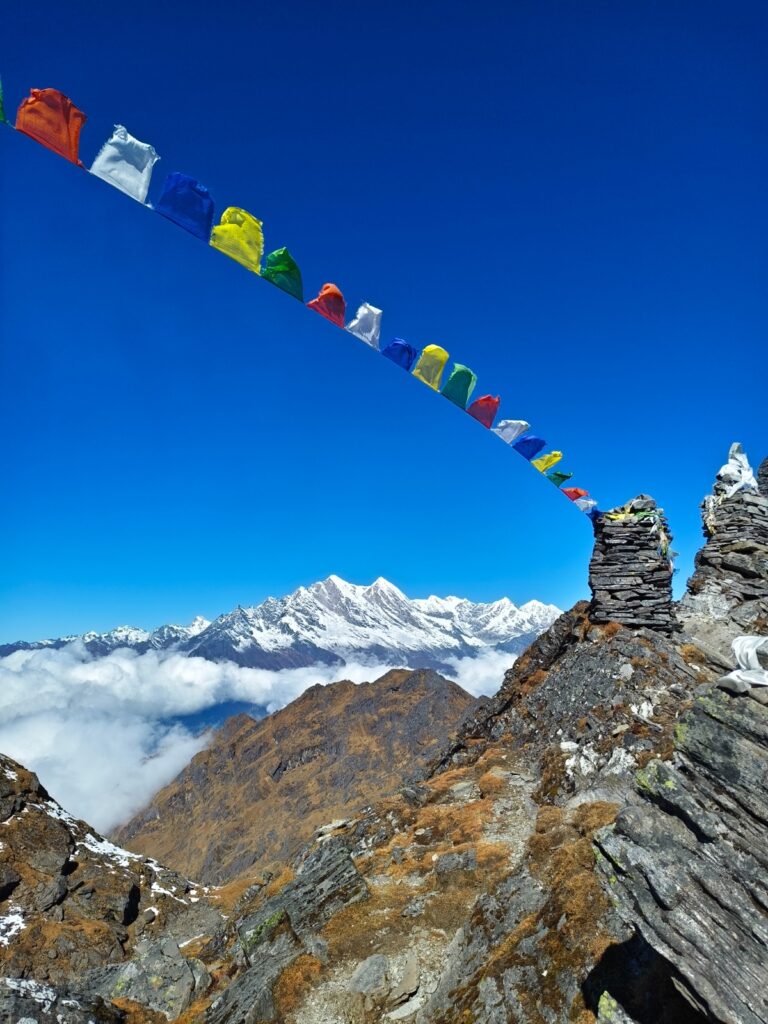
Prayer flags on the Zatra Wa Pass on Mera Peak.

6. Best Seasons for Success 

– Spring (April–May) and Autumn (September–November): These months offer stable weather, clear skies, and manageable temperatures.

– Predictable conditions: Choosing the right season increases your chances of a safe and enjoyable climb.

7. A True Himalayan Experience

– Highest trekking peak in Nepal: At 6,476m, Mera Peak gives you the thrill of standing above 6000m without extreme risks.

– Balance of challenge and beauty: It’s tough enough to feel like a real mountaineering achievement, yet accessible enough for motivated beginners.
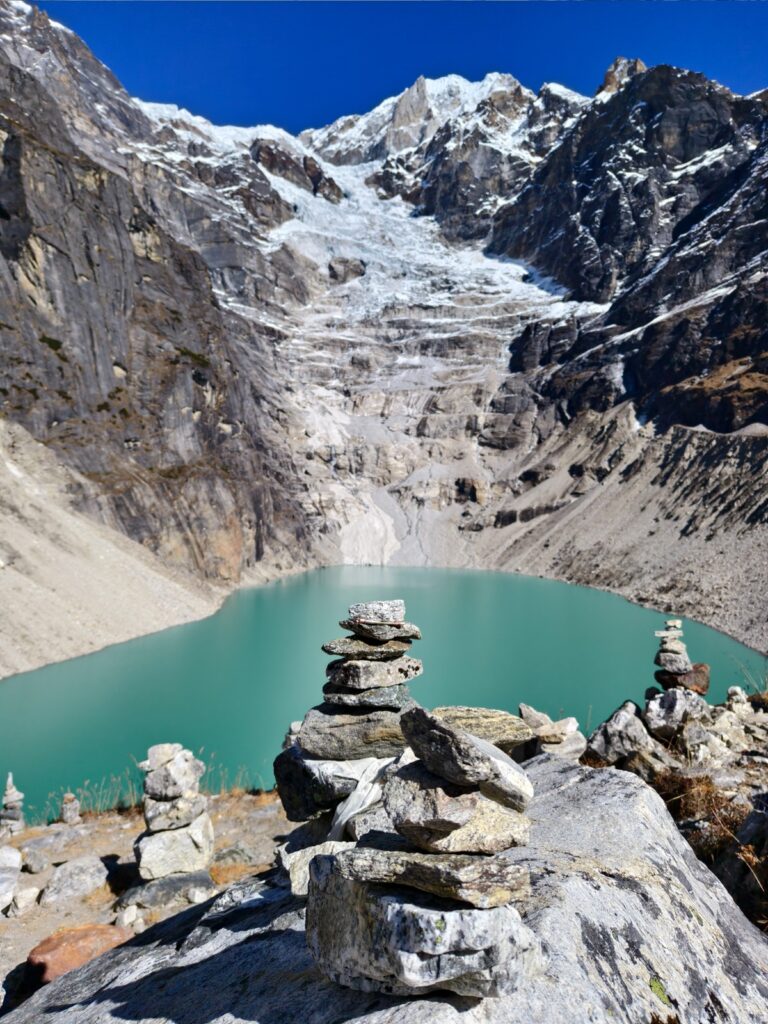
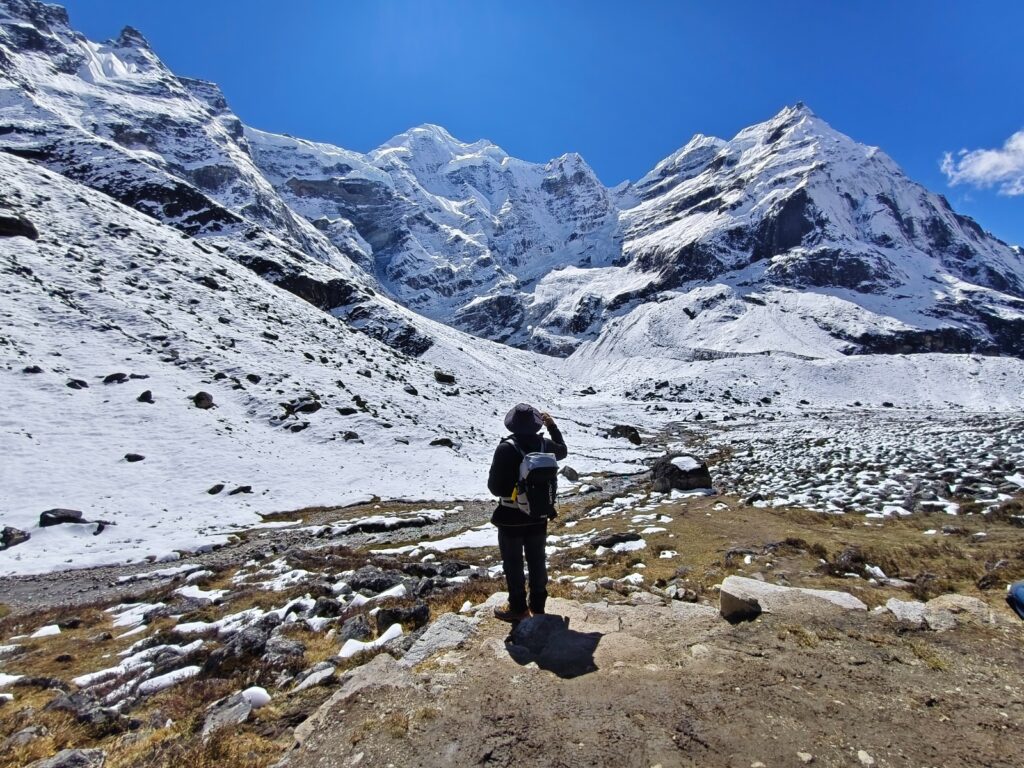
Mera Peak 2

Mera Peak 6

Final Thoughts 

Mera Peak is more than just a climb; it’s a gateway to the Himalayas. It teaches you the basics of mountaineering, rewards you with world-class views, and immerses you in Sherpa culture, all while being achievable for first-time climbers. If you’re dreaming of stepping into the world of high-altitude adventures, Mera Peak is the perfect place to start.

So don’t wait and reach out to us on [email protected] to know more!
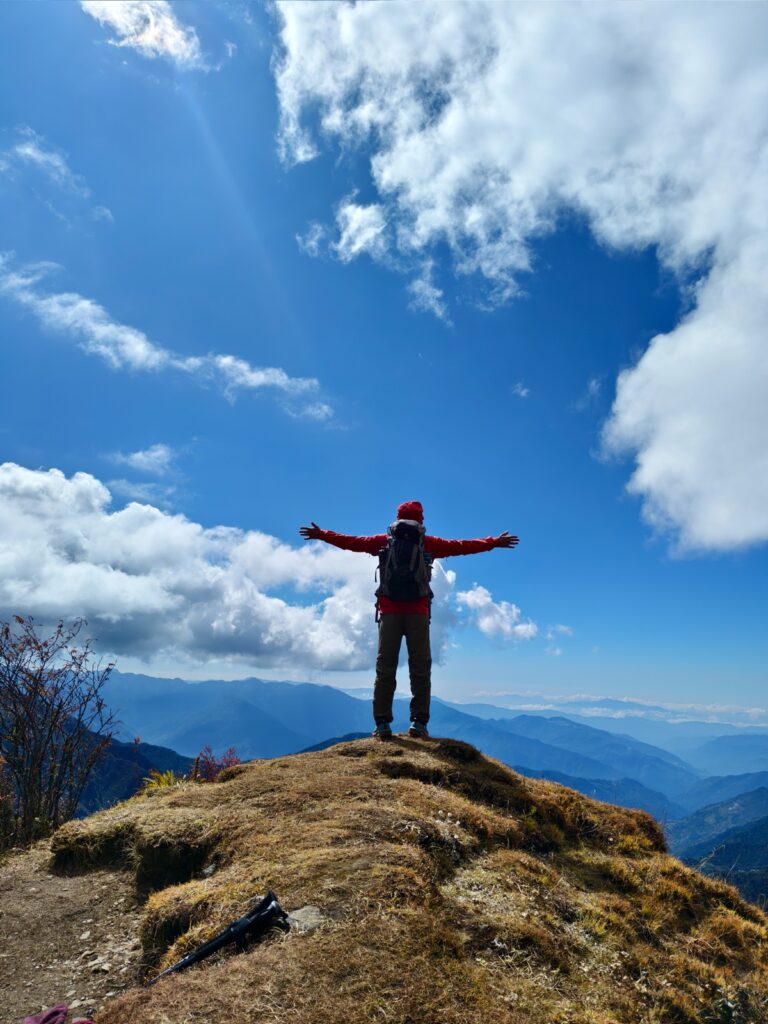
Mera Peak 8

About Umang Dave

An avid trekker himself, Umang has completed his Basic & Advance Mountaineering Courses and led numerous treks in India & Nepal. Umang loves sharing his travel experiences on his personal blog: https://eatclicktravel.blogspot.com/

What you can read next

annapurna-base-camp
Everest Base Camp Vs Annapurna Base Camp: How to Choose Your Nepal Trek ? Part – 2
Everest Base Camp Trek – A Pilgrimage, The Sagarmatha National Park
Manaslu Circuit Trek: A Life-Changing Himalayan Journey

Leave a Reply Cancel reply

Your email address will not be published. Required fields are marked *

Categories

  • Africa
  • Uncategorized
  • Family Treks
  • High Altitude Treks
  • Argentina
  • Treks in Sahyadris
  • Russia
  • Outdoor Tips
  • Newsletters
  • Ladakh
  • India
  • Kashmir
  • Corporate Training Program
  • Nepal
  • Sikkim
  • Uttarakhand
  • Gear Buying Guides
  • Trekkers' Diaries
  • Health & Fitness
  • Himachal Pradesh
  • Climbing Expeditions
  • Bhutan

Recent Posts

  • First Hand Account – Mt. Kilimanjaro by Shaan Shah.

    We were woken at 10:30 p.m., the tent shaking v...
  • A large group of diverse children and teenagers posing together for a commemorative outdoor group photo on a sandy ground

    Outdoor Adventure Camp in Pune: Cygnus School’s 4-Day Adventure at Hidden Oasis

    Adventure Camp in Pune with Cygnus World School...
  • A triumphant mountaineer wearing a bright yellow-green hooded winter jacket, black snow pants, blue goggles, yellow helmet, and oversized red insulated mittens stands atop a snowy mountain summit

    Conquering Europe – A 15 Year Old’s Account of Summiting Mt. Elbrus (5642m)

    9:30 PM I woke up to a flickering tubelight and...
  • Mount Elbrus, Russia

    How to Prepare for a High Altitude Trek: The Complete Guide

    Standing on a high mountain pass 1000’s of mete...
  • Mardi Himal Trek Adventure Pulse 21

    Mardi Himal Trek – Ultimate Guide Part 2

    In Part 1 of our Ultimate guide we covered Trek...

Latest news straight to your inbox.

    DISCOVER

    • Home
    • About
    • Blog
    • Treks
    • Brand Refresh
    • Climbs
    • Register

    CONTACT US

    Address

    Adventure Pulse, Palace Orchard,
    NIBM - Corinthian, 20,
    NIBM Ext Rd, Mohammed Wadi,
    Pune, Maharashtra 411060

    Email

    [email protected]

    Phone

    91-7823857531 /

    91-7709002311 / 12

    Whatsapp

    91-7823857531 /

    91-7709002311 / 12

    • Privacy Policy
    • Terms & Conditions
    • Register Now
    © Copyright 2026 Adventure Pulse. All Rights Reserved.
    Designed & Developed by Aetherwise Solutions
    TOP Chat with us