Established in 2010
  • Call : +917823857531

Adventure PulseAdventure Pulse

  • About Us
    Meet the team!

    Meet the Team!
    Get to know how the magic happens

    Summit day

    Our Everest Story
    Find out how our founders scaled to the top!

    Silent Meadows Family Trek

    Why Trek With Us?
    Get treks tailor-made for you

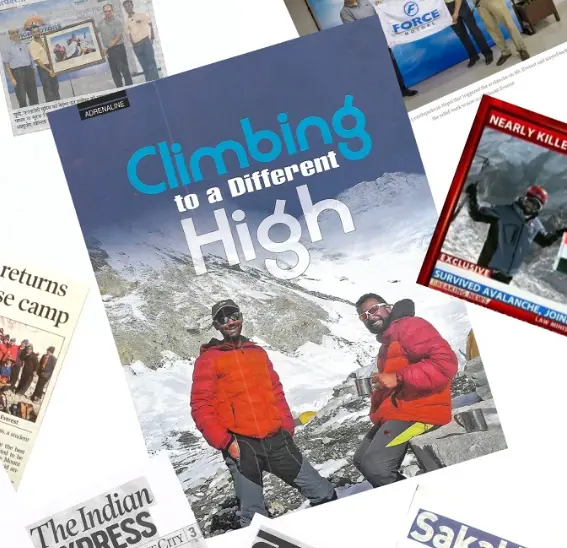
    Climbing to a Different High

    Media Coverage
    Adventure Pulse in the news

    • Meet the Team
    • Our Everest Story
    • Why Trek With Us?
  • Treks
    • Africa
    • Bhutan
    • India
    • Kyrgyzstan
    • Nepal
    • Russia
    • Treks Around Pune
    • Family Treks
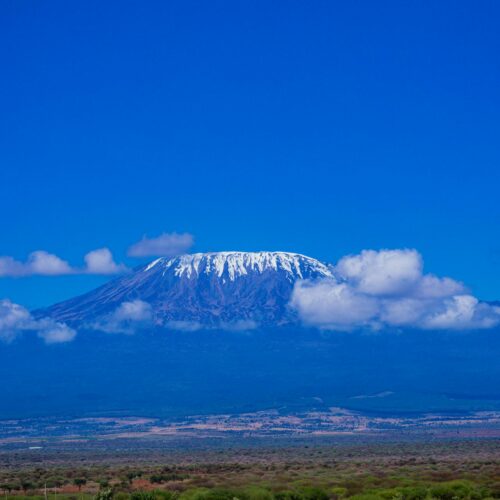
    • Mt. Kilimanjaro (5895m)

    View all Treks in Africa

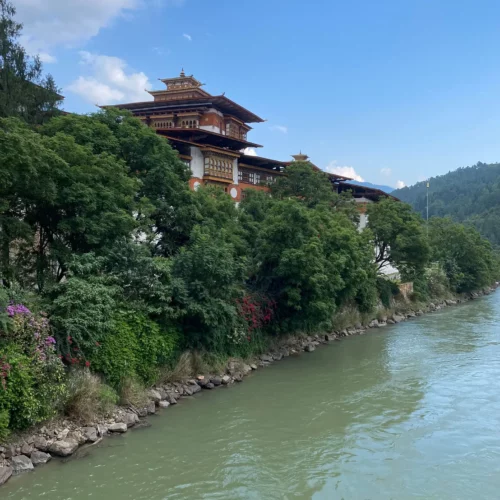
    • Druk Path Trek
    Druk Path

    View all Treks in Bhutan

    • Baleni Glacier Trek
    • Baleni Pass Trek – Extended
    • Chadar Frozen River Trek
    • Dodital – Darwa Pass Trek
    • Gaumukh Tapovan
    • Goecha La Trek
    • Kashmir Great Lakes Trek
    • Kashmir Winter Trek
    • Markha Valley Trek
    • Miyar Valley Trek
    • Nubra Valley Trek
    • Pindari Glacier Trek
    • Rani Sui Lake and Khanpari Tibba Trek
    • Silent Meadows Trek
    • Sunderdhunga Glacier Trek
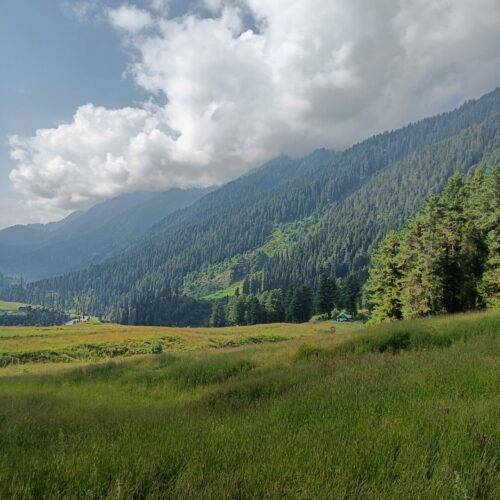
    A scenic grassy field with trees and distant mountains under a clear blue sky.

    View all Treks in India

    • Ak Suu Traverse Trek
    • Ala-Kul Lake Trek
    • Lenin Peak Base Camp Trek
    A scenic grassy field with trees and distant mountains under a clear blue sky.

    View all Treks in Kyrgyzstan

    • Annapurna Base Camp Trek
    • Annapurna Circuit Trek
    • Everest Base Camp Trek
    • Gokyo Lakes Trek
    • Langtang Valley Trek
    • Manaslu Circuit Trek
    • Mardi Himal Trek
    • Poon Hill Trek, Nepal
    • Tamang Heritage Trek
    Everest Bace Camp

    View all Treks in Nepal

    • Mt. Elbrus (5642m)

    View all Treks in Russia

    • Andharban Forest Trek
    • Dhakoba Peak Trek
    • Duke’s Nose Trek
    • Gorakhgad Trek
    • Harishchandragad Trek
    • Irshalgad Fort Trek
    • Katraj to Bopdev Ghat Trek
    • Katraj to Sinhagad Night Trek
    • Ramdara Temple Hill Trek
    • Tung Fort Trek
    • Vichitragad (Rohida Fort) Trek
    Andharban Jungle Trek

    View all Treks Around Pune

    • Baleni Glacier Parents Child Trek
    • Dodital – Darwa Pass Trek
    • Mardi Himal Trek
    • Poon Hill Trek, Nepal
    • Rani Sui Lake and Khanpari Tibba Trek
    • Silent Meadows Family Trek
    • Tamang Heritage Trek
    • Tarsar Marsar Trek
    • Africa
        • Mt. Kilimanjaro (5895m)
    • Bhutan
        • Druk Path Trek
    • India
        • Baleni Glacier Trek
        • Baleni Pass Trek – Extended
        • Chadar Frozen River Trek
        • Dodital – Darwa Pass Trek
        • Gaumukh Tapovan
        • Goecha La Trek
        • Kashmir Great Lakes Trek
        • Kashmir Winter Trek
        • Markha Valley Trek
        • Miyar Valley Trek
        • Nubra Valley Trek
        • Pindari Glacier Trek
    • Kyrgyzstan
        • Ak Suu Traverse Trek
        • Ala-Kul Lake Trek
        • Lenin Peak Base Camp Trek
    • Nepal
    • Russia
        • Mt. Elbrus (5642m)
    • Treks Around Pune
        • Andharban Forest Trek
        • Dhakoba Peak Trek
        • Duke’s Nose Trek
        • Gorakhgad Trek
        • Harishchandragad Trek
        • Irshalgad Fort Trek
        • Katraj to Bopdev Ghat Trek
        • Katraj to Sinhagad Night Trek
        • Ramdara Temple Hill Trek
        • Tung Fort Trek
        • Vichitragad (Rohida Fort) Trek
    • Family Treks
        • Baleni Glacier Parents Child Trek
        • Dodital – Darwa Pass Trek
        • Mardi Himal Trek
        • Poon Hill Trek, Nepal
        • Rani Sui Lake and Khanpari Tibba Trek
        • Silent Meadows Family Trek
        • Tamang Heritage Trek
        • Tarsar Marsar Trek
  • Climbs
    • 8000m
    • 7000m
    • 6000m
    • 5000m
    • Winter Climbing Workshop

    View all Climbs above 8000m

    • Mt. Nun (7135m)

    View all Climbs above 7000m

    • Ama Dablam (6812m)
    • Dzo Jongo (6240m)
    • Island Peak (6189m)
    • Kang Yatse 1 (6400m)
    • Kang Yatse 2 (6250m)
    • Lobuche Peak (6119m)
    • Mentok Kangri (6250m)
    • Mera Peak (6,476m)
    • Mt. Aconcagua (6962m)
    • UT Kangri II (6030m)
    • Yunam Peak (6111 m)

    View all Climbs above 6000m

    • Kanamo Peak (5974m)
    • Mt. Elbrus (5642m)
    • Mt. Kilimanjaro (5895m)
    • Yala Peak (5,500m)

    View all Climbs above 5000m

    • Winter Climbing Workshop – Ladakh
    Winter Climbing Workshop

    View all Winter Climbing Workshops

      • Ama Dablam (6812m)
      • Dzo Jongo (6240m)
      • Island Peak (6189m)
      • Kanamo Peak (5974m)
      • Kang Yatse 1 (6400m)
      • Kang Yatse 2 (6250m)
      • Lobuche Peak (6119m)
      • Mentok Kangri (6250m)
      • Mera Peak (6,476m)
      • Mt. Aconcagua (6962m)
      • Mt. Elbrus (5642m)
      • Mt. Kilimanjaro (5895m)
  • Corporate
    school

    School Programs
    Lessons Beyond Textbooks

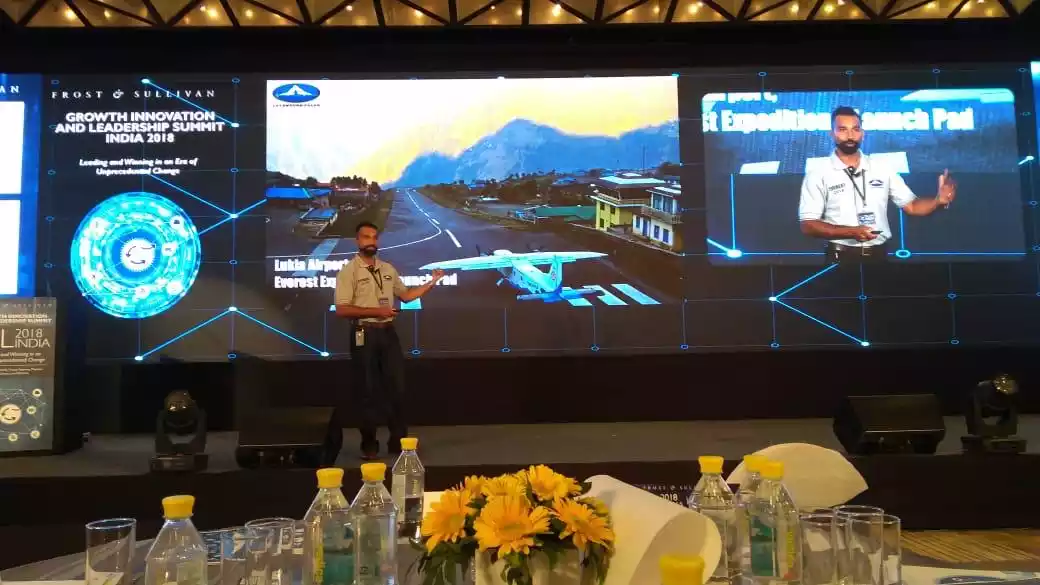
    Growth Innovation and Leadership Summit India 2018

    Corporate Programs
    Outdoor Skills Meet Corporate Excellence

    • School Programs
  • Calendar
    A group of people smiling and posing together

    Custom Treks
    Customize according to your needs

    Langtang Valley Trek

    Choose Your Trek
    Customize according to your needs

    Everest Base Camp Trek

    Trek Calendar
    See our upcoming adventures for 2026 and beyond!

    • Custom Treks
    • Choose Your Trek
    • Trek Calendar
  • Blog
  • Contact Us
  • Register
Inquire Now

Mera Peak Expedition Guide Webinar: Route, Difficulty, Training & Summit Experience

by Umang Dave / Monday, 02 November 2026 / Published in Nepal, Climbing Expeditions, Webinar
Climbers on the summit of Mera Peak

Mera Peak: Everything You Need to Know Before Climbing Nepal’s Highest Trekking Peak

An inside look at the preparation, route, challenges, equipment, and mindset required to summit Mera Peak (6,476m).

Watch the full video of the webinar here:

What Samir, Umang and Ayush get into:

  • Expedition leadership, team introduction
  • Pre-expedition support structure
  • Quick facts
  • Expedition route and itinerary
  • Elevation profile of the route
  • Summit push detailed breakdown
  • Safety measures
  • Accommodation and Food on the route
  • Gear and clothing required
  • Technical climbing equipmet needed for summitting Mera
  • Fitness preparation tips and guidance
  • Comparison between Kilimanjaro Summit Push and Mera Peak Summit Push
  • Weather forecast and expectations

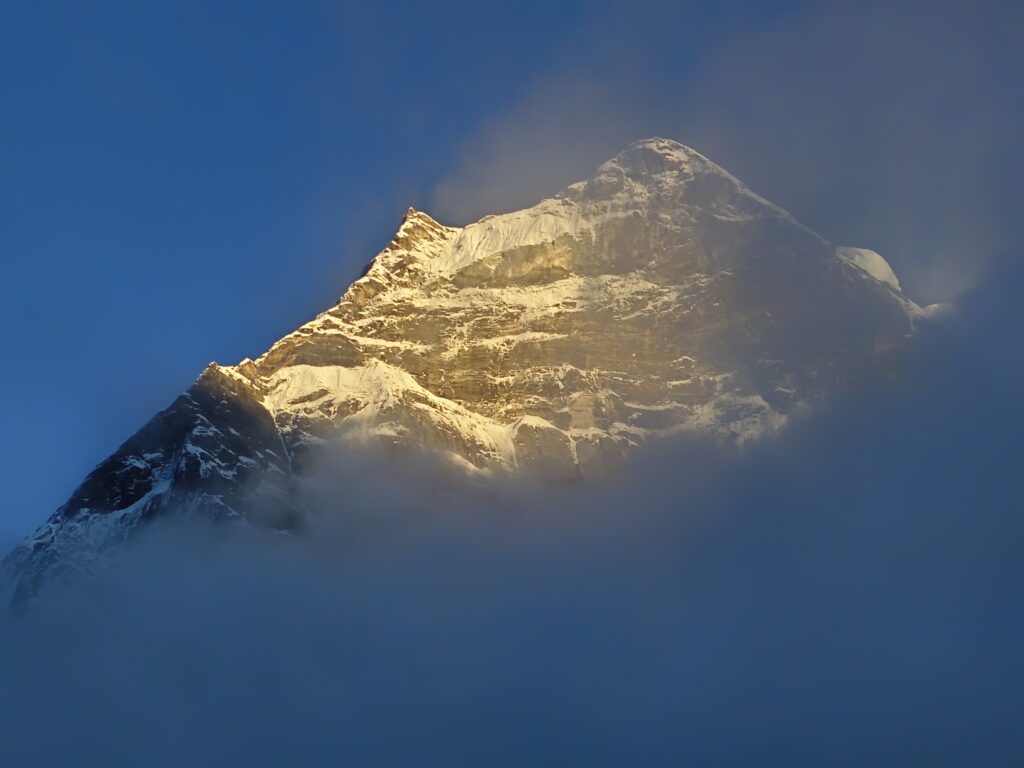
Summit of Mera Peak glowing at sunset

Introduction

Standing at 6,476 meters (21,247 ft), Mera Peak is often described as Nepal’s highest trekking peak. While it doesn’t require advanced technical mountaineering skills like Everest or Ama Dablam, reaching its summit is no ordinary trek. The combination of high altitude, glacier travel, long summit days, and extreme weather makes it a serious Himalayan objective.

During a recent expedition briefing, the Adventure Pulse team (Co-founder Samir Patham, Expedition Leaders Umang Dave and Ayush Kanitkar) shared valuable insights into what climbers can expect on the journey to Mera Summit. From acclimatization strategies and equipment requirements to summit-day realities, here’s a comprehensive guide for anyone considering this iconic Himalayan climb.

What Makes Mera Peak Special?

Mera Peak sits within Nepal’s remote Makalu Barun National Park, a region known for its remarkable biodiversity, untouched valleys, and stunning Himalayan panoramas.

Unlike Everest Base Camp, which attracts thousands of trekkers annually, the route to Mera remains quieter and more wilderness-focused.

The summit rewards climbers with one of the finest mountain panoramas in the Himalayas, including views of:

  • Mount Everest (8,849m)
  • Lhotse
  • Makalu
  • Cho Oyu
  • Kanchenjunga
  • Baruntse
  • Ama Dablam

Few places on Earth offer a view of so many 8,000-meter giants from a single vantage point.
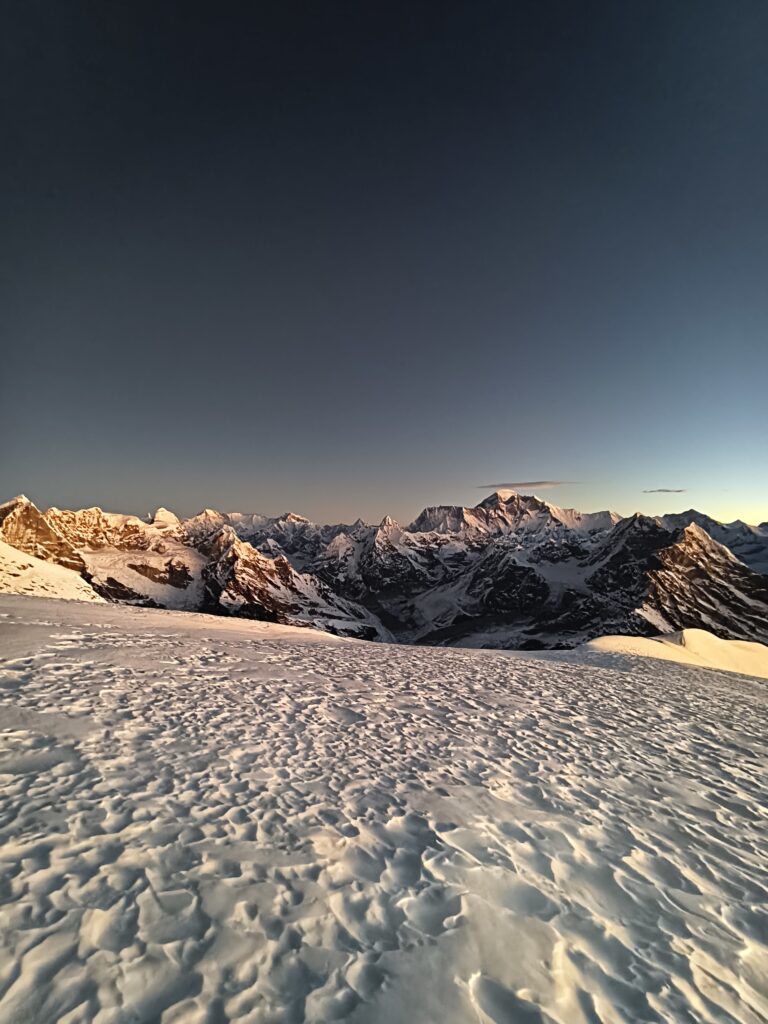
Panoramic views at dawn from the Mera Peak Summit

The Mera Peak Expedition at a Glance

Duration

16 Days

Starting Point

Kathmandu, Nepal

Trek Begins

Lukla (2,860m)

Highest Point

Mera Peak Summit (6,476m)

Difficulty

Challenging

Accommodation

Tea Houses + High Camp Tents
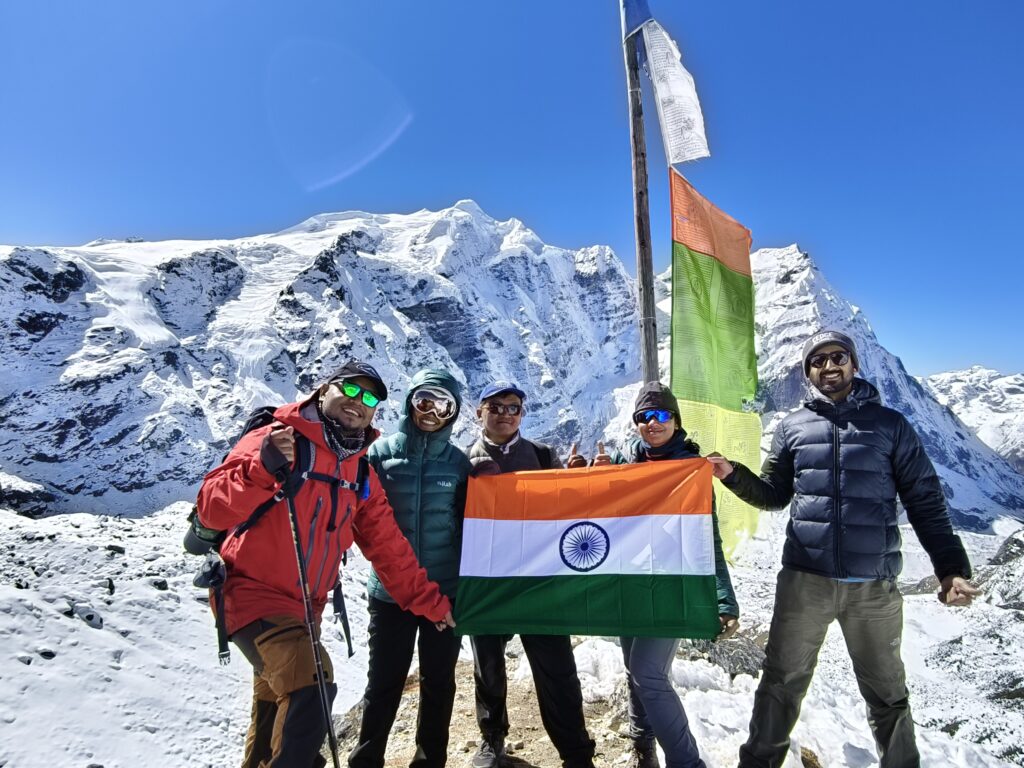
 

Trekkers on the acclimatisation hike for Mera Peak summit at the base village Khare

Trekkers on the acclimatisation hike for Mera Peak summit at the base village Khare

The Importance of Acclimatization on Mera Peak

One of the biggest reasons climbers succeed on Mera Peak is proper acclimatization. Read this detailed blog to know more on acclimatisation: https://adventure-pulse.com/blog/ways-to-avoid-high-altitude-sickness/

The itinerary isn’t designed to get you to the summit quickly. It’s designed to get you there safely.

Throughout the expedition, climbers:

  • Gain altitude gradually
  • Cross higher passes
  • Descend to sleep at lower elevations
  • Take scheduled acclimatization days

This “climb high, sleep low” approach allows the body to adapt to decreasing oxygen levels while minimizing the risk of Acute Mountain Sickness (AMS). Read this informative blog to understand AMS: https://adventure-pulse.com/blog/a-beginners-guide-to-acute-mountain-sickness/

Mera Peak Route:

Kathmandu to Lukla

The journey begins in Kathmandu, where climbers complete equipment checks and last-minute shopping in the famous trekking district of Thamel.

A pre-dawn drive leads to Ramechhap Airport, followed by an early morning flight to Lukla, one of the world’s most famous mountain airstrips.

Through the Hinku Valley

Instead of entering the Everest region, trekkers head into the lesser-explored Hinku Valley.

Highlights include:

  • Dense forests
  • Traditional mountain villages
  • River valleys
  • Spectacular Himalayan views
  • Minimal crowds

The route passes through settlements such as:

  • Chutanga
  • Thuli Kharka
  • Kothe
  • Thangnak
  • Khare

Each village provides an opportunity to rest, acclimatize, and experience local Sherpa culture.
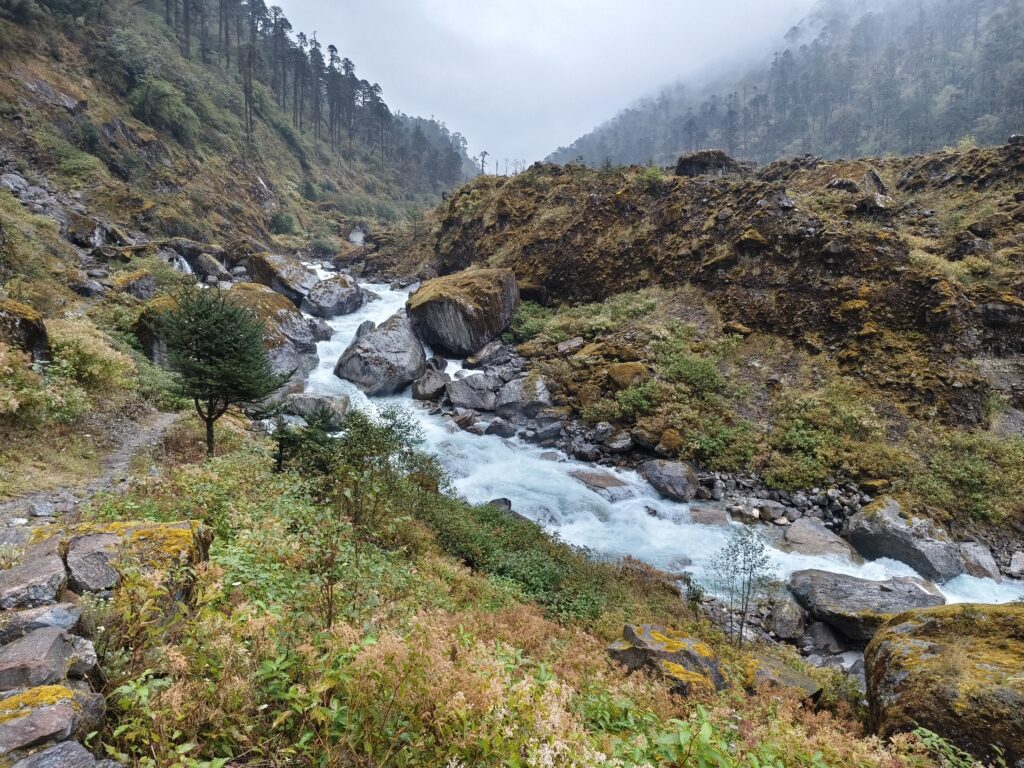
Magnificent views of the Hinku Valley in the Makalu Barun National Park.

Magnificent views of the Hinku Valley in the Makalu Barun National Park.

Khare: The Gateway to the Mera Peak Summit

Khare is the final permanent settlement before entering the glacier zone.

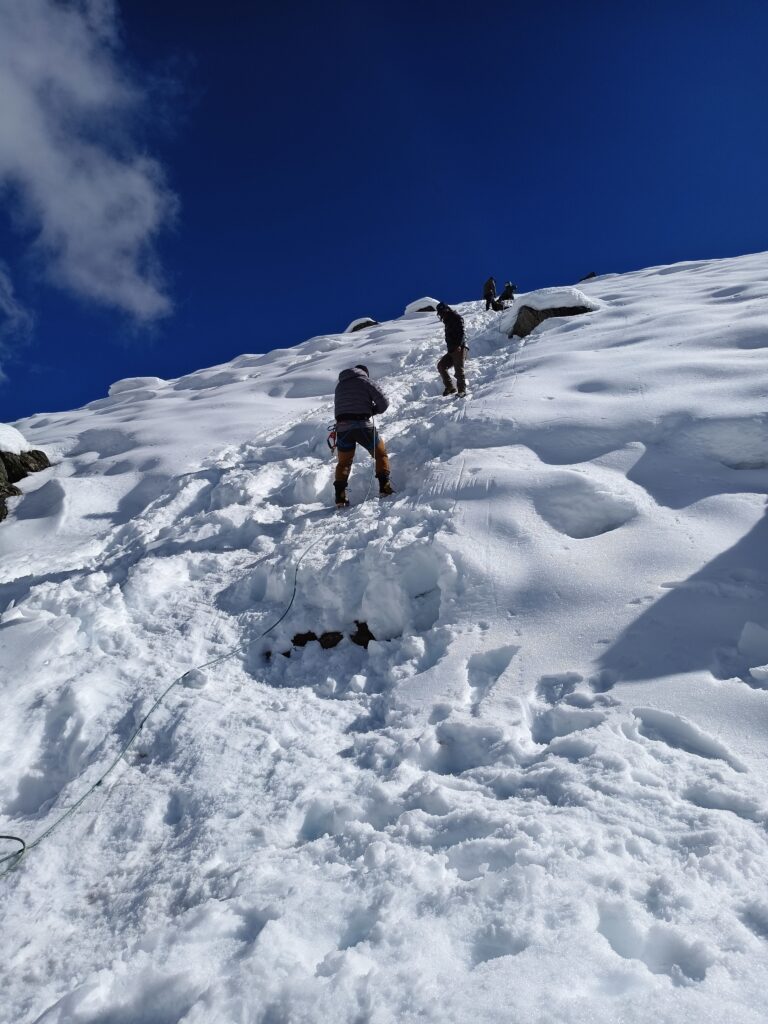
This is where climbers:

  • Learn mountain climbing basics
  • Practice using crampons
  • Train with ice axes
  • Learn rope techniques
  • Test all summit equipment

For many participants, it is their first experience using technical mountaineering gear.
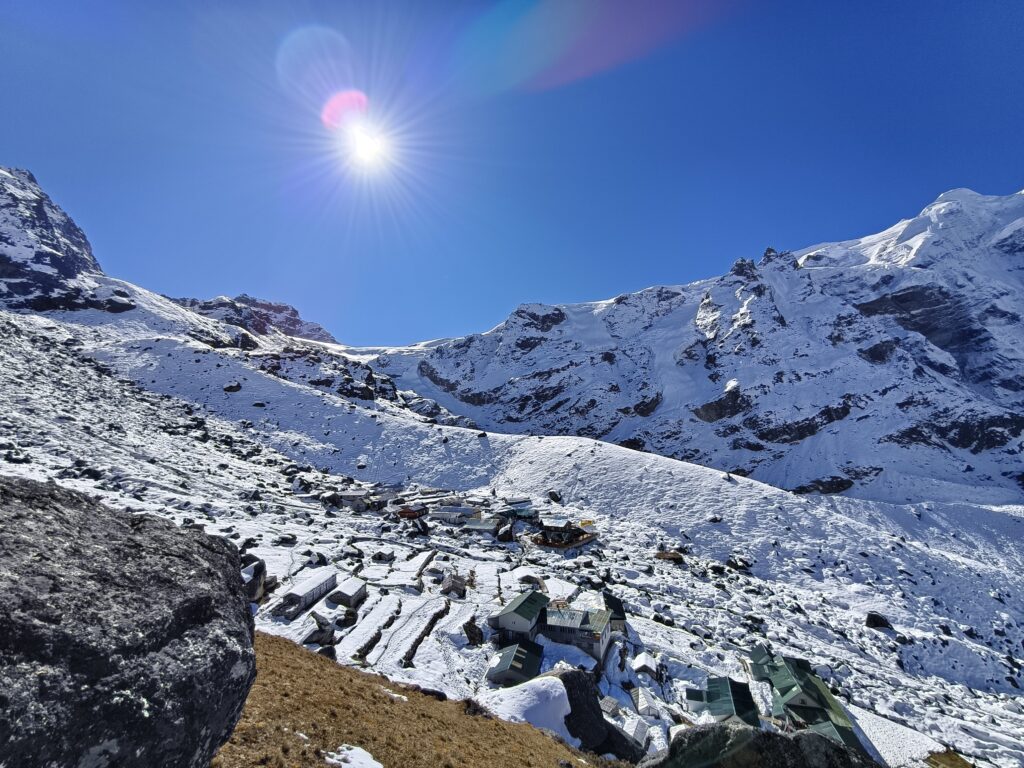
View of the snow covered Khare village on the Mera Peak Route
View of the snow covered Khare village on the Mera Peak Route


Climber rappeling down on a snow slope at Khare Village on Mera Peak Route.

Climber rappeling down on a snow slope at Khare Village on Mera Peak Route.

Life at High Camp

Above Khare, the trek becomes more rugged and transitions into a proper mountaineering climb.

The route transitions from:

  • Rocky terrain
  • Alpine landscapes
  • Snowfields
  • Glacier travel

The final camp is established at approximately 5,800 meters. Unlike the tea houses lower down the route, accommodation here consists of expedition-style tents.
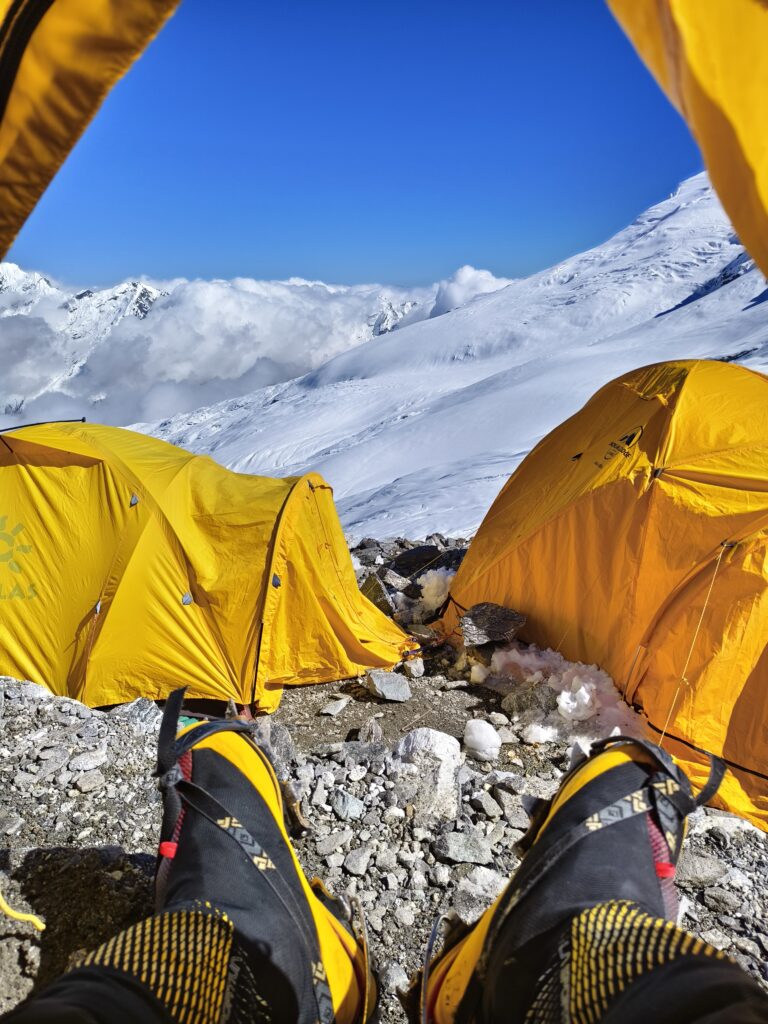
Climber resting in the tent at the Mera Peak High Camp.

Climber resting in the tent at the Mera Peak High Camp.

The strategy is simple:

  • Arrive
  • Hydrate
  • Eat
  • Rest
  • Sleep early

Within hours, the summit push begins.

Summit Day: The Real Challenge

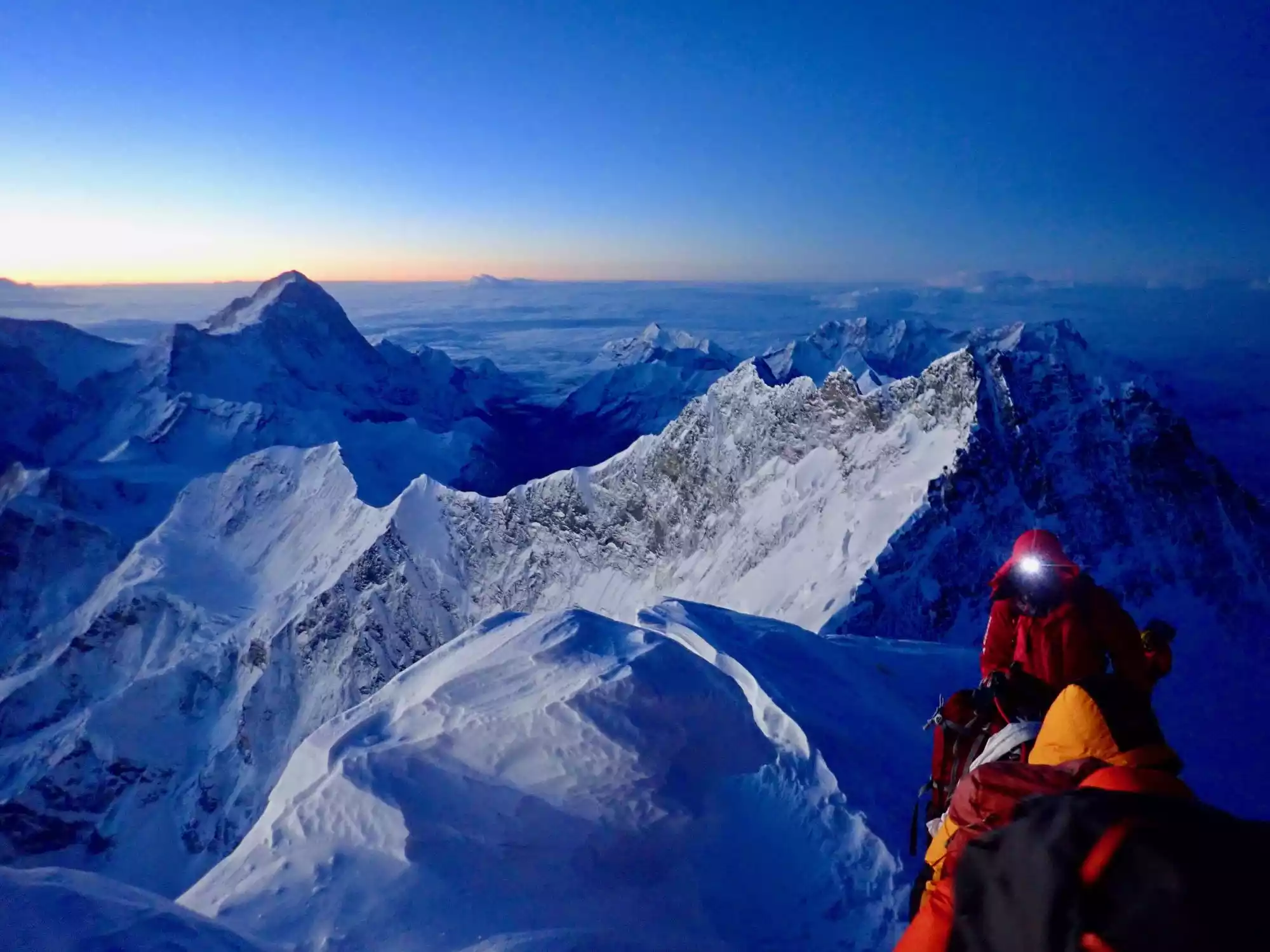
Summit day is where Mera Peak earns its reputation. The climb begins around 2:00 AM under headlamp light. Climbers move slowly across glaciers and snowfields while roped together for safety.

The challenges include:

  • Sub-zero temperatures
  • Thin air
  • Wind exposure
  • Glacier travel
  • Physical fatigue
  • Sleep deprivation
Team of climbers on the way to summit of Mera Peak.

Adventure Pulse Team on the way to summit of Mera Peak.
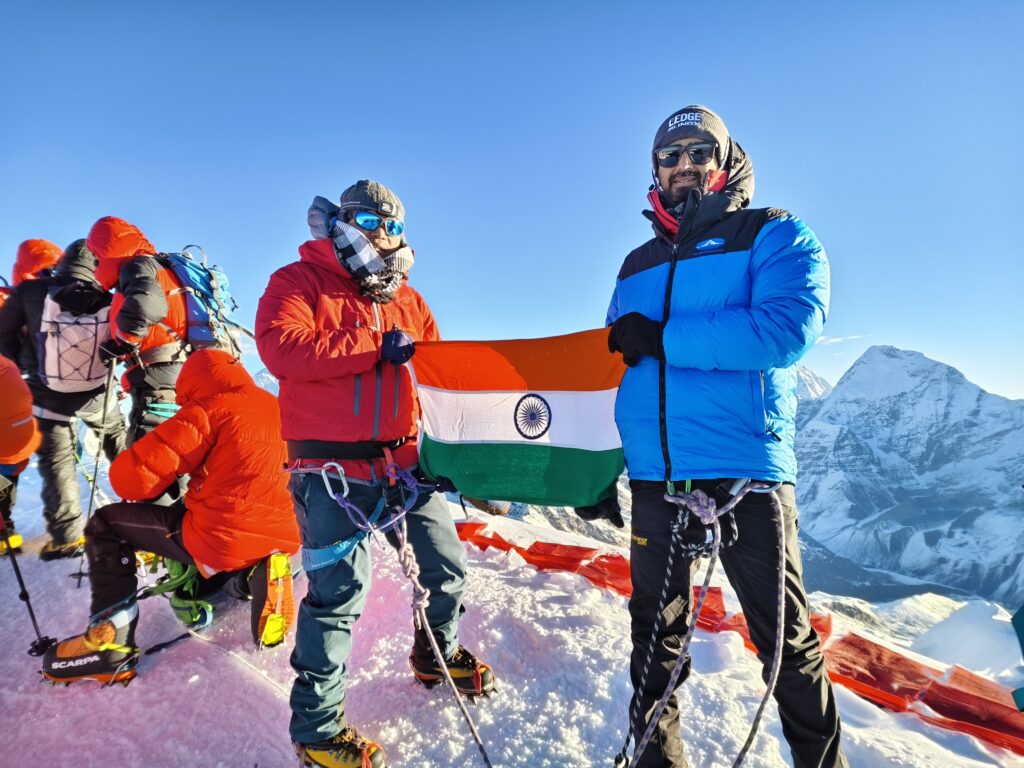
 

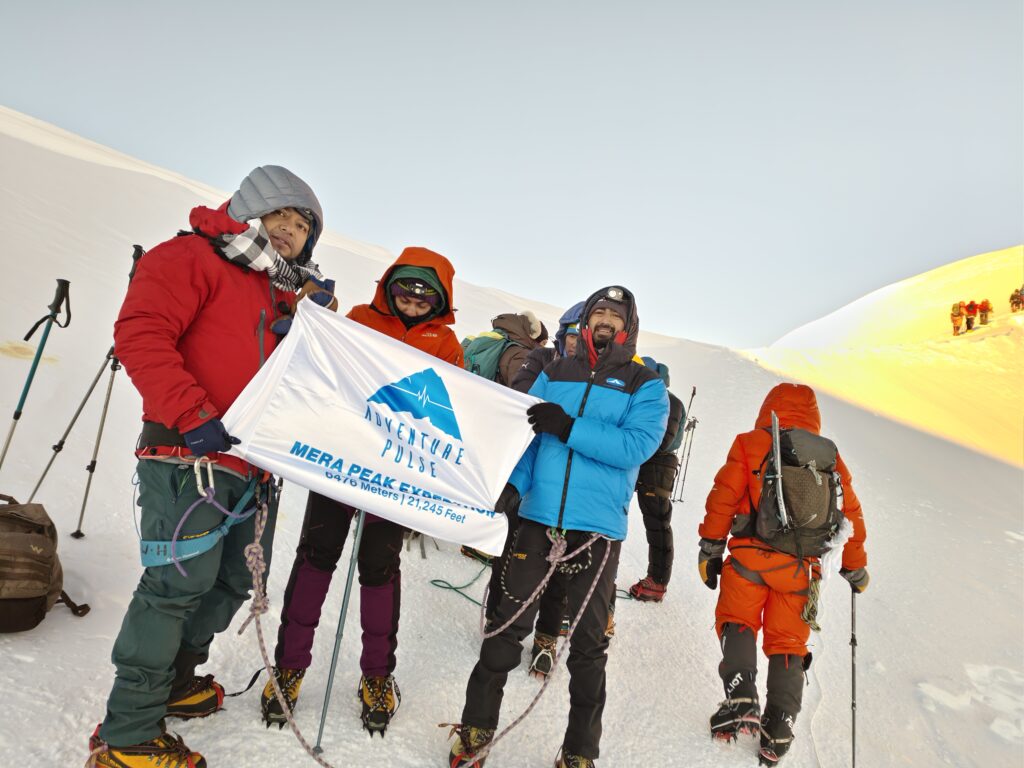
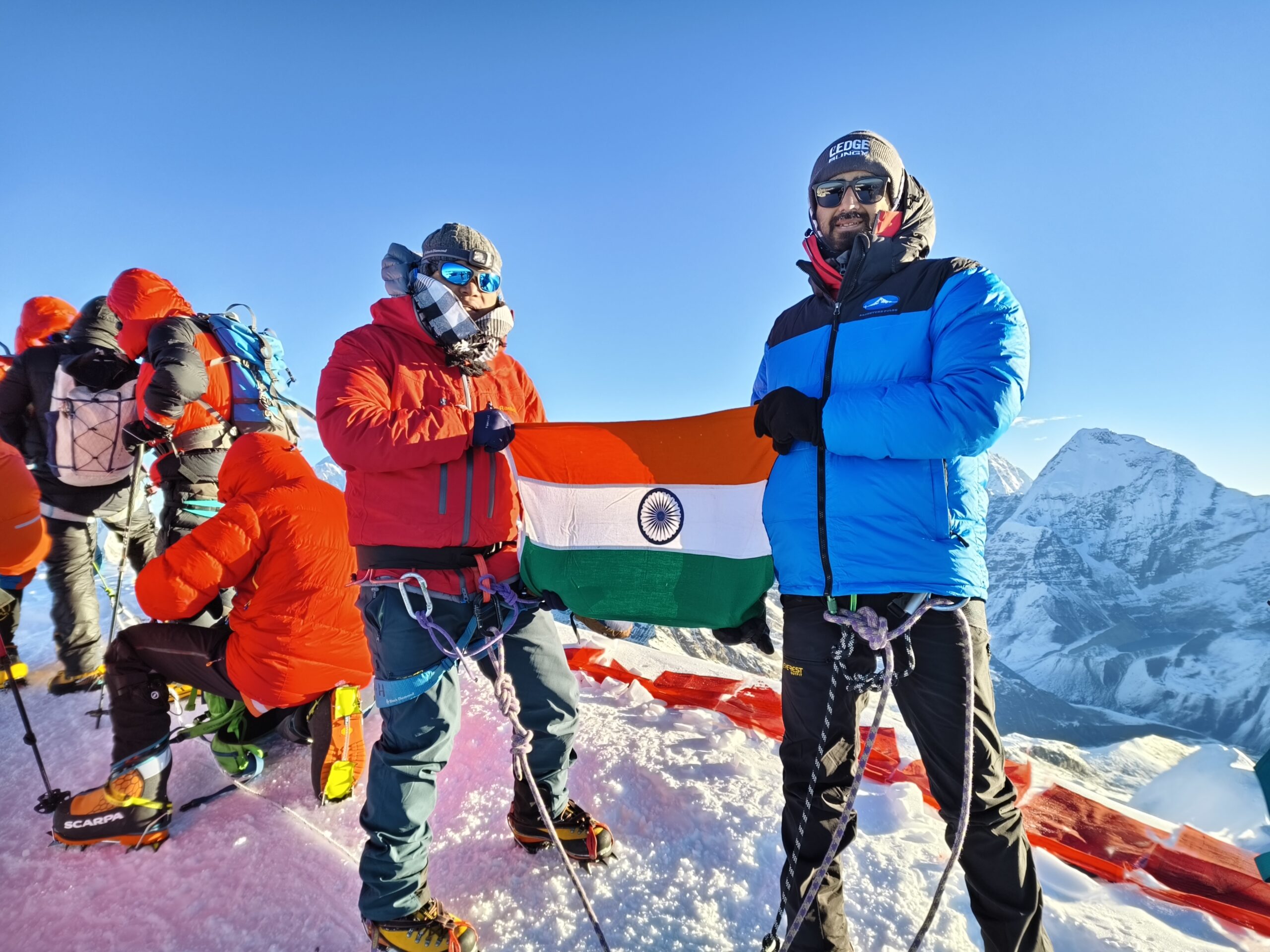
Climbers on the summit of Mera Peak

Adventure Pulse team on the summit of Mera Peak


The ascent from High Camp to the summit usually takes five to six hours, though total summit-day activity can stretch to 10-14 hours or more depending on the pace.

The effort is comparable to the summit push on Kilimanjaro, but with one major difference:

You’re climbing on snow wearing mountaineering boots and crampons instead of trekking on dirt trails.

This additional resistance significantly increases the physical demands.

What Does the Mera Peak Summit Look Like?

As the sun rises over the Himalayas, climbers are rewarded with one of the finest mountain vistas on the planet.

From the summit of Mera Peak, you can see:

  • Everest
  • Lhotse
  • Makalu
  • Cho Oyu
  • Kanchenjunga

It’s one of those moments that justifies every difficult training session and every uncomfortable step taken during the climb.


Hydration Tips at High Altitude

One interesting insight from the briefing concerned hydration.

Hydration bladders (CamelBaks) work well during trekking days but can become useless during summit pushes because:

  • The tube freezes
  • The nozzle freezes
  • Water flow stops completely

A better solution includes:

  • Insulated water bottle
  • Thermos flask
  • Backup bottle

Warm water becomes a significant morale booster during long, cold summit climbs.


Mera Peak is often marketed as a “trekking peak,” but that label can be misleading.

At nearly 6,500 meters, it demands:

  • Strong fitness
  • Mental resilience
  • Proper acclimatization
  • Technical awareness
  • Respect for the mountains

However, for those willing to prepare adequately, Mera Peak offers one of the most rewarding introductions to Himalayan mountaineering. It is more than a summit. It is a bridge between trekking and true high-altitude climbing, offering aspiring mountaineers a chance to step into a larger world of glaciers, ropes, ice axes, and some of the most breathtaking views on Earth.

For information on our upcoming Mera Peak Expedition, visit our website: https://adventure-pulse.com/trek-calendar/
Write to us with your queries at: [email protected]

Follow author’s mountain adventures here: instagram.com/umangxdave

About Umang Dave

An avid trekker himself, Umang has completed his Basic & Advance Mountaineering Courses and led numerous treks in India & Nepal. Umang loves sharing his travel experiences on his personal blog: https://eatclicktravel.blogspot.com/

What you can read next

Mera Peak
Best Climbing Peaks in India – 2026
Climbers on climbing Expedition
Best Climbing Peaks in Nepal for Beginners – 2026
Everest Base Camp Trek – A Pilgrimage, The Sagarmatha National Park

Leave a Reply Cancel reply

Your email address will not be published. Required fields are marked *

Categories

  • Family Treks
  • High Altitude Treks
  • Argentina
  • Treks in Sahyadris
  • Russia
  • Outdoor Tips
  • Newsletters
  • Ladakh
  • India
  • Kashmir
  • Corporate Training Program
  • Nepal
  • Webinar
  • Sikkim
  • Uttarakhand
  • Gear Buying Guides
  • Trekkers' Diaries
  • Health & Fitness
  • Himachal Pradesh
  • Climbing Expeditions
  • Bhutan
  • Africa

Recent Posts

  • Mardi Himal Trek – A photo blog

    The Mardi Himal Trek is one of the most underra...
  • Annapurna Circuit Trek – A photo blog

    Kathmandu – A city of constrasts Kathmand...
  • What Does the Annapurna Circuit Trek Really Look Like in 2026?

    I recently completed the famous Annapurna Circu...
  • Mardi Himal Trek – The perfect introduction to high altitude trekking in Nepal

    Trekking in Nepal: The country of Nepal has bec...
  • Duke’s Nose Trek: A Monsoon Adventure Near Pune After a Decade.

    Back on the Trail: Starting My Trek After a Dec...

Latest news straight to your inbox.

    DISCOVER

    • Home
    • About
    • Blog
    • Treks
    • Brand Refresh
    • Climbs
    • Register

    CONTACT US

    Address

    Adventure Pulse, Palace Orchard,
    NIBM - Corinthian, 20,
    NIBM Ext Rd, Mohammed Wadi,
    Pune, Maharashtra 411060

    Email

    [email protected]

    Phone

    91-7823857531 /

    91-7709002311 / 12

    Whatsapp

    91-7823857531 /

    91-7709002311 / 12

    • Privacy Policy
    • Terms & Conditions
    • Register Now
    © Copyright 2026 Adventure Pulse. All Rights Reserved.
    Designed & Developed by Aetherwise Solutions
    TOP Chat with us