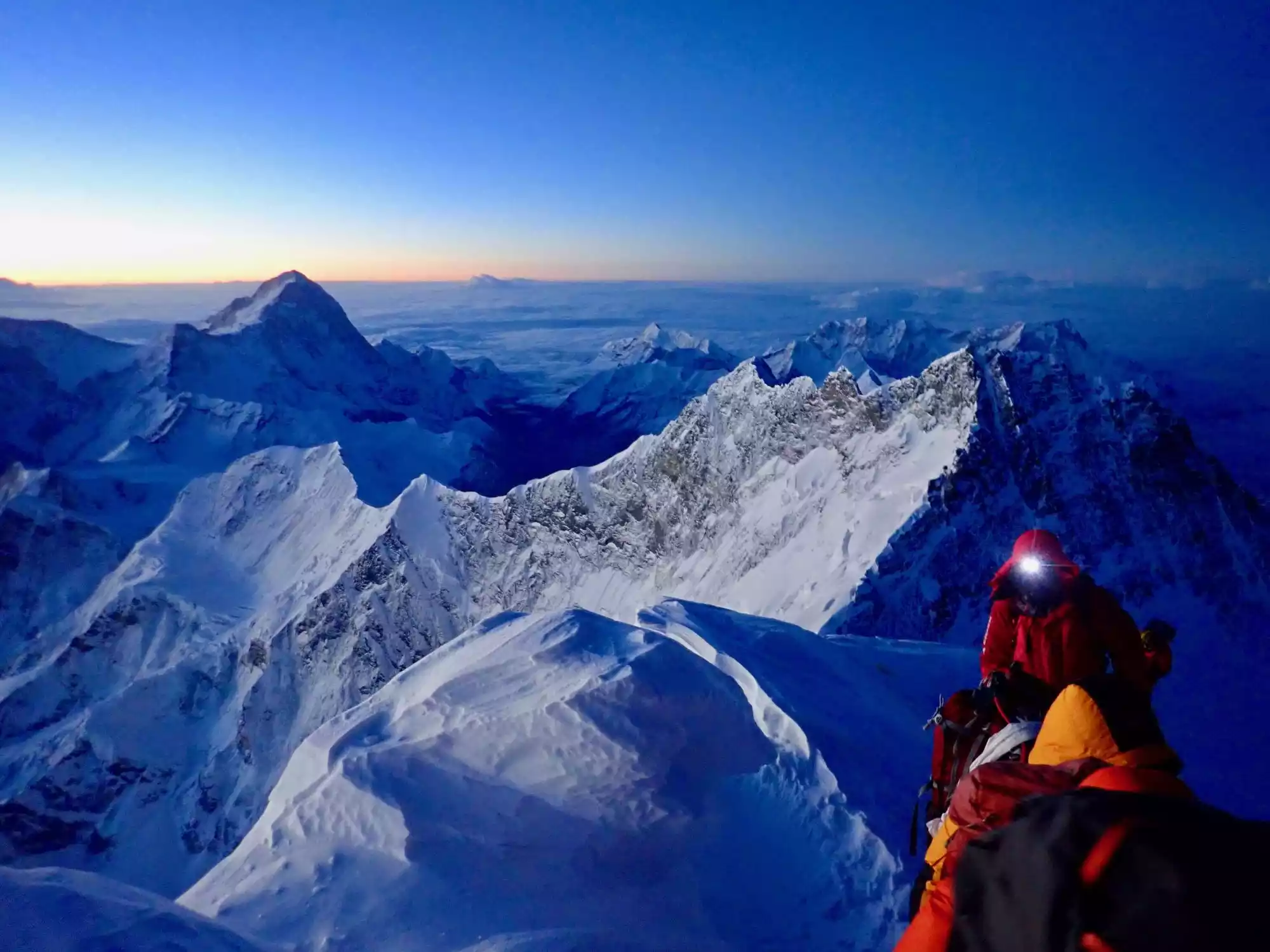
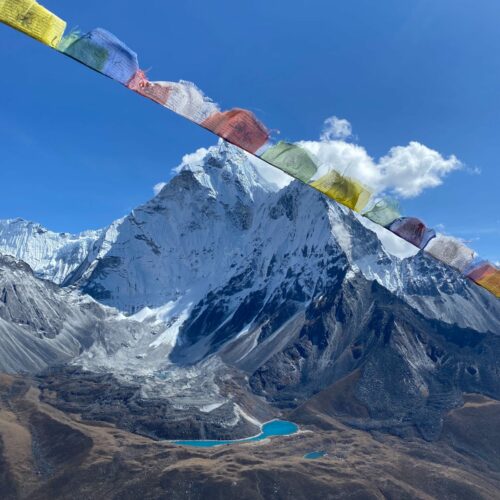
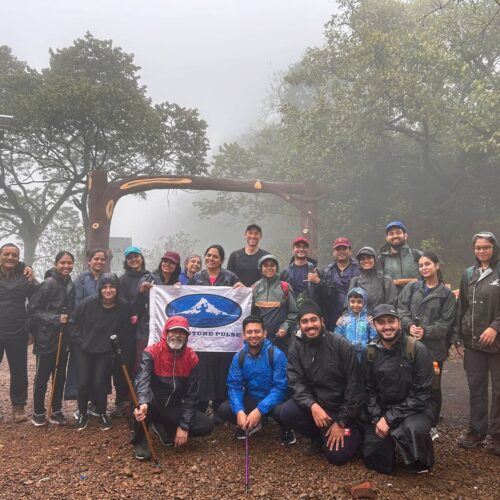
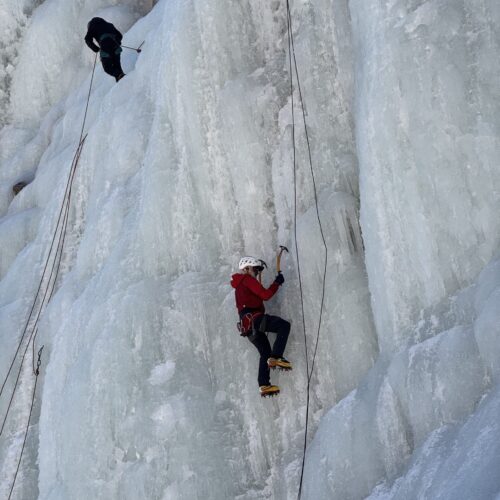


Standing on a high mountain pass 1000’s of meters above sea-level with endless snow-capped peaks stretching across the horizon is an experience unlike any other. But reaching that point requires much more than simply booking a trek and packing a backpack. High altitude trekking is physically demanding, mentally challenging, and often pushes you far outside your comfort zone.
Whether you’re planning your first Himalayan trek or preparing for an expedition to Kilimanjaro, Everest Base Camp, or the Annapurna region, proper preparation can make the difference between merely completing the trek and truly enjoying every moment of it.
Here’s a complete guide to preparing yourself for a high altitude trek.
Physical Preparation
Your body is your biggest asset in the mountains. The fitter you are before your trek, the more you’ll enjoy the journey and the better you’ll cope with altitude, long walking hours, and changing weather conditions.
Build Your Stamina
High altitude treks involve walking for anywhere between 5 to 9 hours a day over consecutive days. While speed isn’t important, your ability to keep moving consistently certainly is.
Focus on cardiovascular activities that improve your aerobic fitness. Running, brisk walking, cycling, swimming, rowing, or even stair climbing are excellent options. Ideally, train at least four to five times a week and gradually increase both duration and intensity.
Zone 2 cardio is particularly effective for trekkers as it trains your body to use oxygen more efficiently while conserving energy over long durations. Remember, mountains reward consistency rather than explosiveness. A steady pace will always outperform short bursts of energy.

Improve Your Endurance
Strength and endurance go hand in hand.
Your legs, glutes, back, and core carry you throughout the trek while supporting the additional weight of your backpack. Incorporating strength training two to three times a week will significantly reduce fatigue and lower your risk of injury.
Focus on exercises such as:
- Squats
- Lunges
- Step-ups
- Deadlifts
- Planks
- Walking with a loaded backpack
One of the best ways to prepare is by doing long hikes on weekends while carrying a backpack similar to what you’ll use during the trek. This closely mimics actual trekking conditions and prepares your muscles for sustained effort.
Work on Your Breathing
One of the biggest challenges at high altitude is the reduced availability of oxygen. As you gain altitude, every step demands more effort.
While no breathing exercise can completely replicate the effects of altitude, improving your lung efficiency certainly helps.
Practice diaphragmatic breathing, controlled breathing exercises, and rhythmic breathing during your cardio sessions. Activities like swimming and yoga are excellent for developing better breath control.
During the trek itself, maintain a slow and steady pace. Avoid racing ahead, and synchronize your breathing with your walking rhythm. A controlled pace conserves energy and allows your body to adapt more efficiently.
Mental Preparation
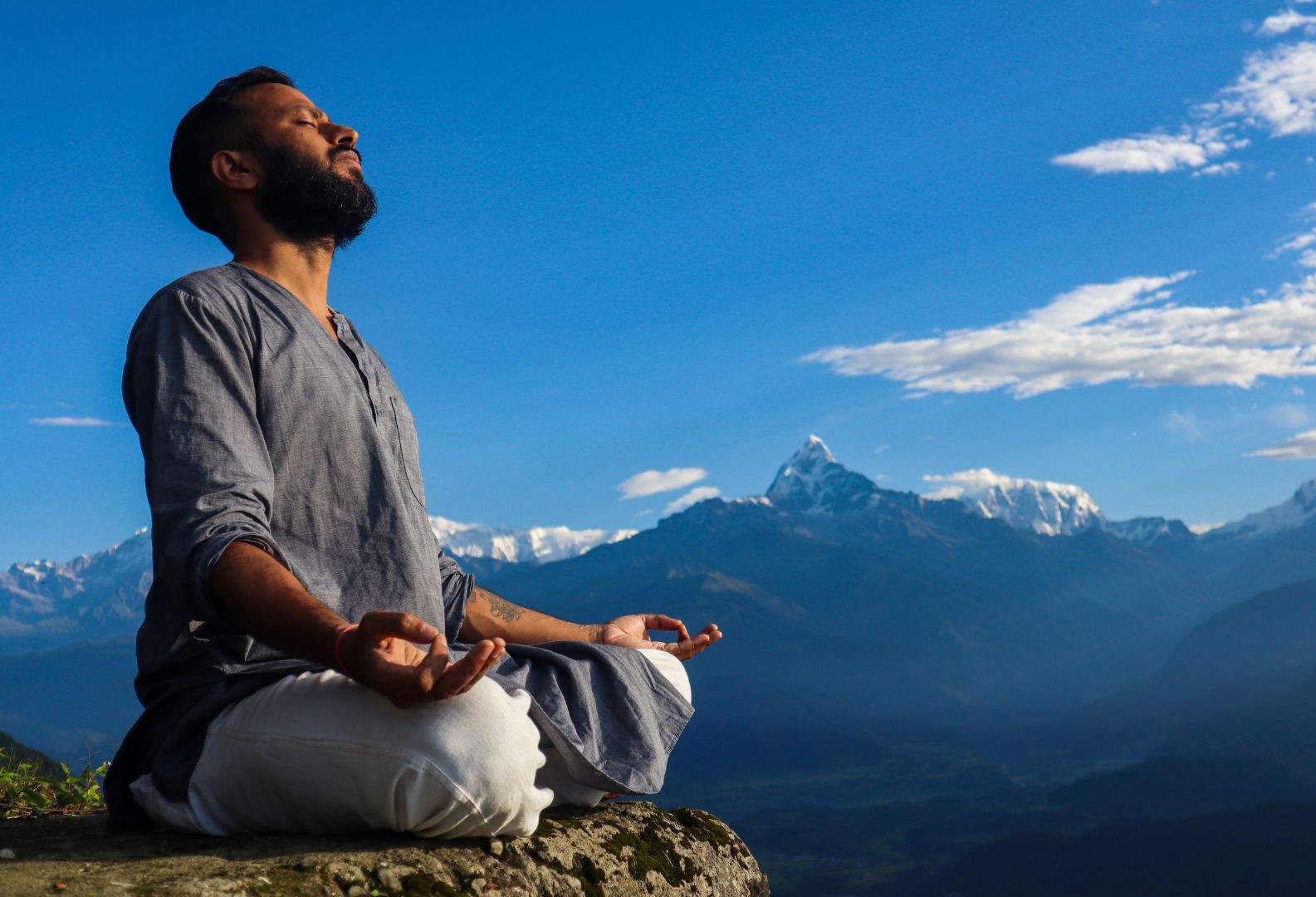
If physical fitness gets you to the top of a mountain, mental strength helps you sustain through that journey. Many trekkers are surprised to discover that the greatest challenge isn’t always their legs, it’s their mindset. Unfortunately, a lot of trekkers who lack the will actually quit mid-way through, even when their body could make it. Lack of belief and fear of the uncertain, both can contribute to this. Hence, mental preparation for a trek is as important as training the muscles & heart.
Stay Motivated
There will be days when you’ll wake up tired, face steep climbs, or encounter bad weather. On those days, motivation becomes your driving force.
Remind yourself why you signed up for the trek. Whether it’s achieving a personal goal, witnessing breathtaking landscapes, or challenging yourself, keeping your purpose in mind helps you push through difficult moments.
Break the trek into smaller milestones instead of focusing solely on the final destination. Celebrate reaching each village, campsite, or mountain pass. Small victories keep morale high.
Map the Journey
Preparation isn’t just physical. Study your itinerary before leaving home. Understand the daily distances, altitude gains, expected trekking hours, and important landmarks. Knowing what lies ahead reduces uncertainty and helps you mentally prepare for each day’s challenges.
It also allows you to pace yourself better instead of constantly wondering how much farther you have to go.
Prepare for Adversities
Mountains are unpredictable. Weather can change within minutes. Flights may get delayed. Trails can become muddy, snowy, or blocked. Accommodation may be basic, and things rarely go exactly according to plan.
The more flexible your mindset, the better your experience. Accept beforehand that discomfort is part of the adventure rather than something to avoid. Once you embrace uncertainty, you’ll spend far less energy worrying about things beyond your control.
Choose Your Peers Wisely
The people around you can significantly influence your trekking experience. Positive teammates encourage one another during difficult sections, celebrate successes together, and help maintain morale throughout the journey. On the other hand, constant negativity spreads quickly in challenging environments. Travel with people who motivate rather than discourage you. If you’re joining a group departure, focus on your own pace rather than comparing yourself with stronger trekkers.
Every trekker adapts differently to altitude.
Trek with a Trusted Company
Perhaps one of the most overlooked aspects of preparation is choosing the right trekking organization.
An experienced trekking company doesn’t simply organize logistics they create a safer environment. Professional companies provide experienced trek leaders, certified guides, proper acclimatization schedules, emergency protocols, quality equipment, and medical preparedness.
When venturing into remote high altitude regions, expertise matters far more than saving a small amount on cost. Your safety should always come first.
Build Awareness
Educate yourself about altitude sickness before your trek.
Understand the early symptoms of Acute Mountain Sickness (AMS), including headaches, nausea, dizziness, fatigue, and loss of appetite.
Knowing when to slow down, hydrate, rest, or alert your trek leader can prevent a minor issue from becoming a serious medical emergency. Awareness builds confidence and helps you make informed decisions during the trek.
Gear Preparation
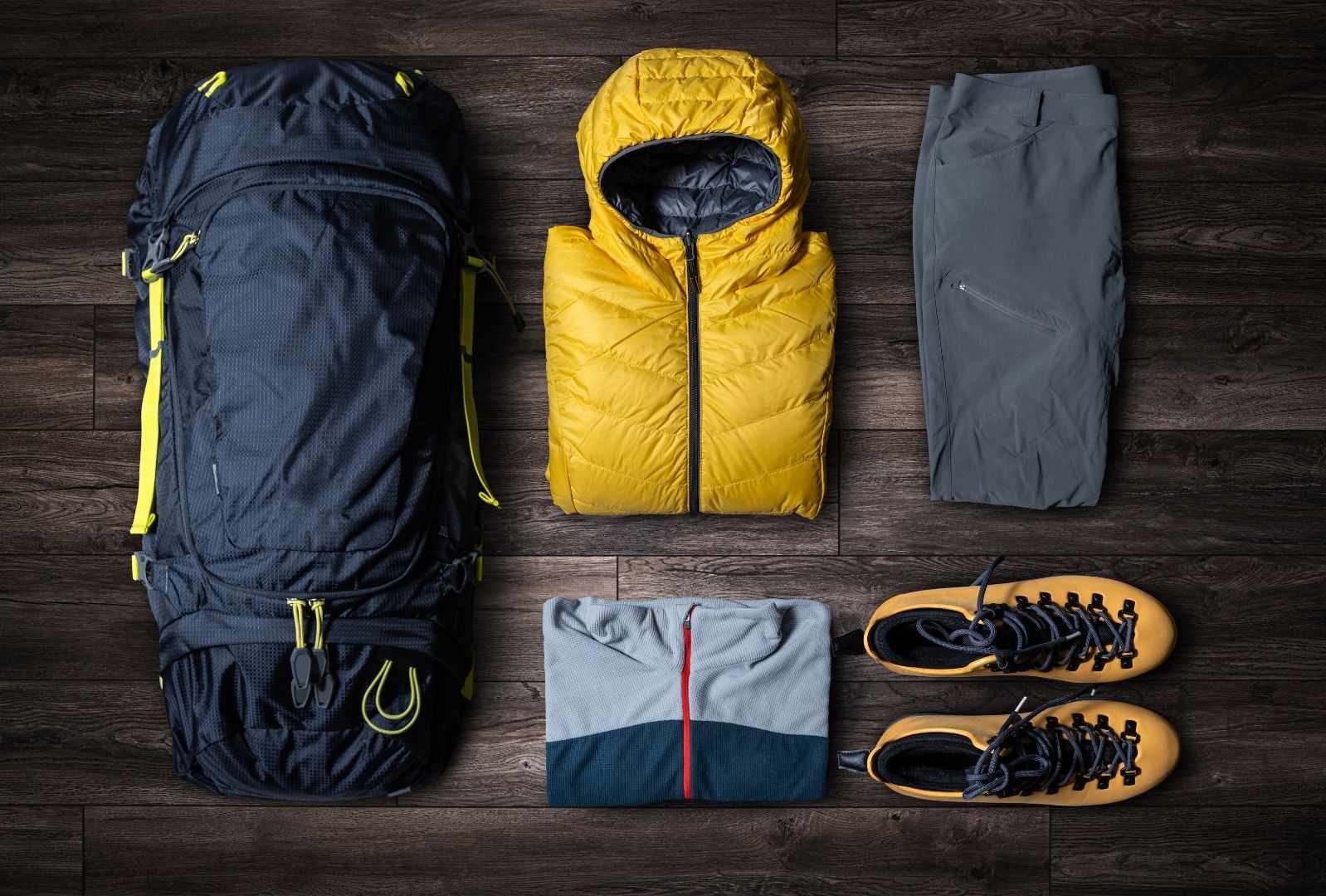
Even the fittest trekker can struggle with poor gear. Your equipment should keep you warm, dry, and comfortable without adding unnecessary weight. Invest in good quality trekking shoes and break them in well before your expedition. Never wear brand-new shoes on your first trekking day.
Follow the layering system for clothing:
- Moisture-wicking base layer
- Insulating mid-layer
- Waterproof and windproof outer shell
Carry essential accessories including gloves, thermal wear, trekking socks, sunglasses, sunscreen, a headlamp, trekking poles, water bottles, and rain protection.
Avoid over-packing. Every extra kilogram feels heavier as you gain altitude. Before departure, pack your backpack and go on practice walks to ensure everything fits comfortably.
Know Your Team
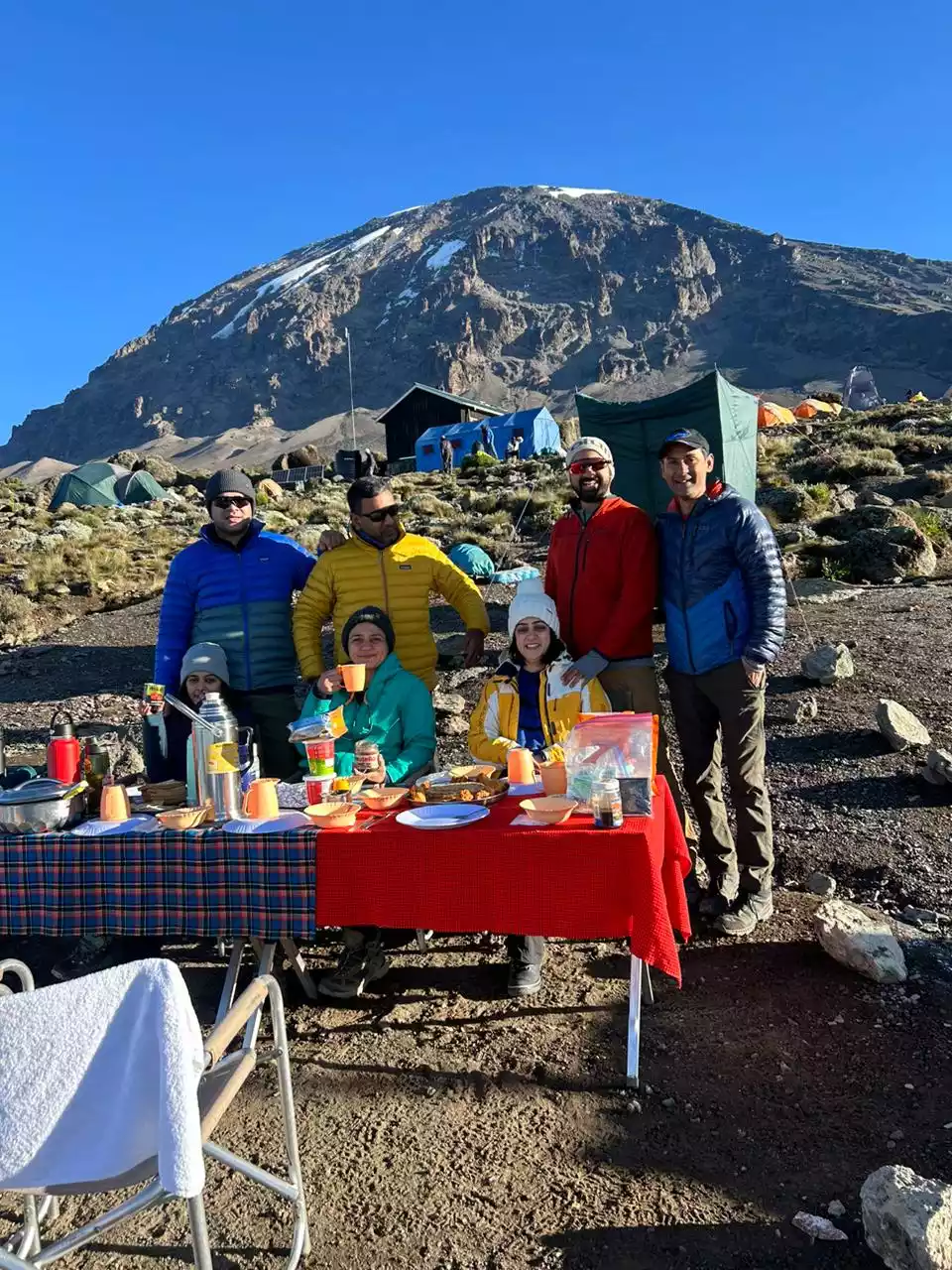
Whether you’re trekking with friends or joining a commercial expedition, spend time getting to know your fellow trekkers and trek leaders. Good communication creates trust.
Understand everyone’s strengths, trekking experience, and expectations. During difficult days, teamwork becomes invaluable.
Experienced trek leaders also appreciate participants who communicate honestly about how they’re feeling. Never hide symptoms of illness or exhaustion. The mountains reward honesty far more than ego.
Understand the Region, Country, and Culture
Every mountain destination has its own traditions, customs, and way of life. Learning about the local culture before your trek enriches the entire experience. Understand local greetings, food habits, religious customs, environmental regulations, and cultural etiquette.
You’ll develop greater appreciation for the communities that live in these high altitude trek landscapes and contribute positively as a responsible traveler. Respect local traditions, minimize waste, and leave every trail cleaner than you found it.
Read Self-Help and Motivational Books
Mental resilience can be trained just like physical fitness. Reading books about adventure, mountaineering, leadership, or overcoming adversity can strengthen your mindset before your trek. Stories of explorers, climbers, and endurance athletes often provide valuable lessons on patience, perseverance, teamwork, and dealing with uncertainty.
More importantly, they remind you that almost everyone who accomplishes something extraordinary experiences moments of self-doubt along the way.
Build a Positive Attitude During Difficult Conditions
High altitude trekking is rarely comfortable. You’ll encounter cold mornings, wet socks, limited showers, simple meals, and occasional fatigue. Your attitude determines whether these become memorable adventures or constant frustrations. Instead of focusing on discomfort, focus on the privilege of being surrounded by some of the world’s most spectacular landscapes.
Practice gratitude throughout your journey. A positive mindset doesn’t eliminate challenges it changes how you respond to them. Many experienced trekkers will tell you that the strongest people in the mountains aren’t always the fastest or the fittest. They’re the ones who smile despite the rain, laugh through difficult climbs, and encourage others when morale is low.
Recreate Mountain Discomfort Before Your High Altitude Trek
One of the most effective ways to prepare mentally is by exposing yourself to controlled discomfort before your expedition. Train early in the morning when you’re sleepy. Go for long hikes in the rain. Carry a loaded backpack during stair workouts. Wake up before sunrise for weekend hikes.
Occasionally choose the stairs over the lift, take longer walking routes, or complete a workout when you’re feeling slightly tired. However, while you do all this, still listen to your body’s limits. You surely don’t want to injure yourself just before an adventure.
These experiences teach you that discomfort isn’t something to fear it’s something you can work through.
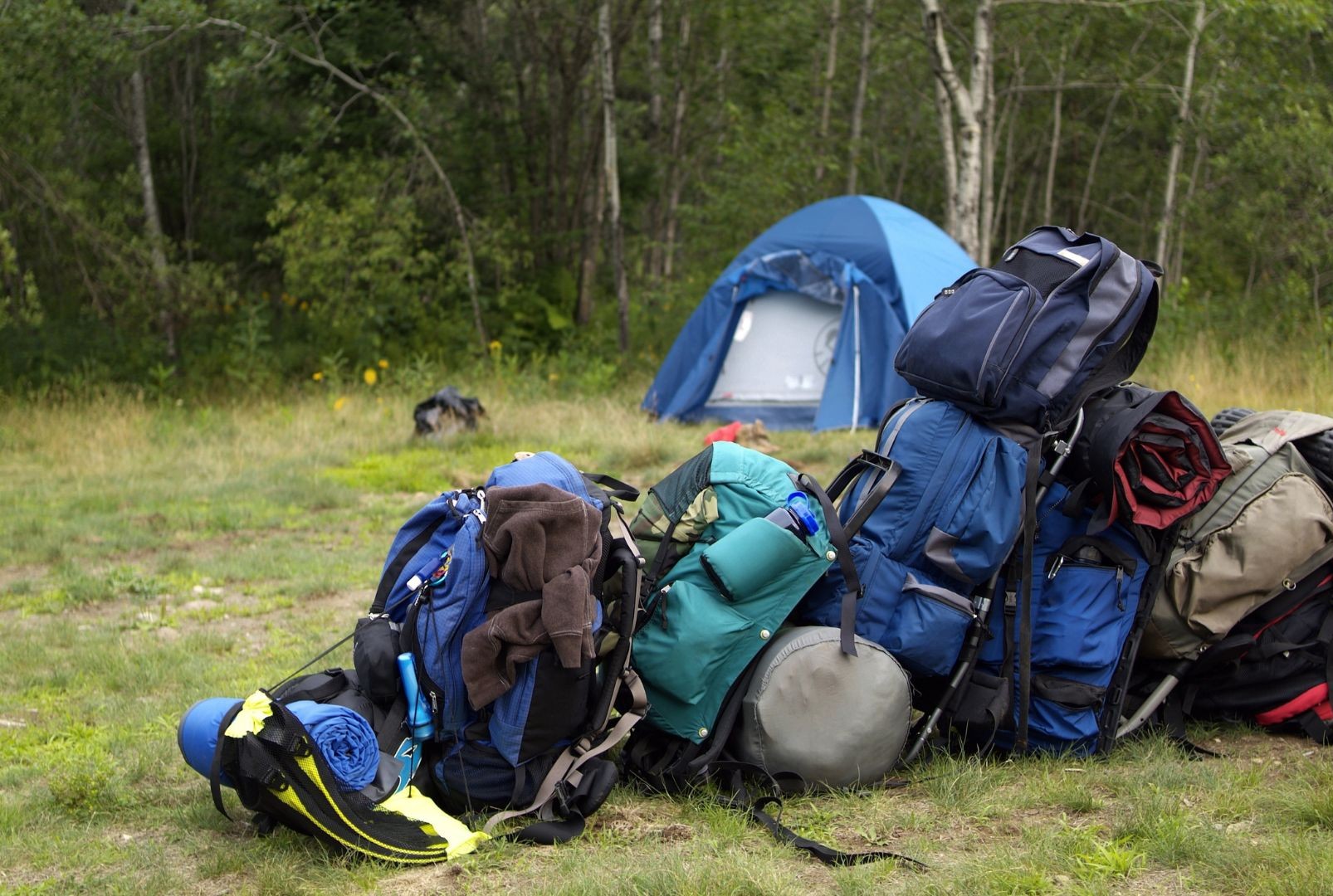
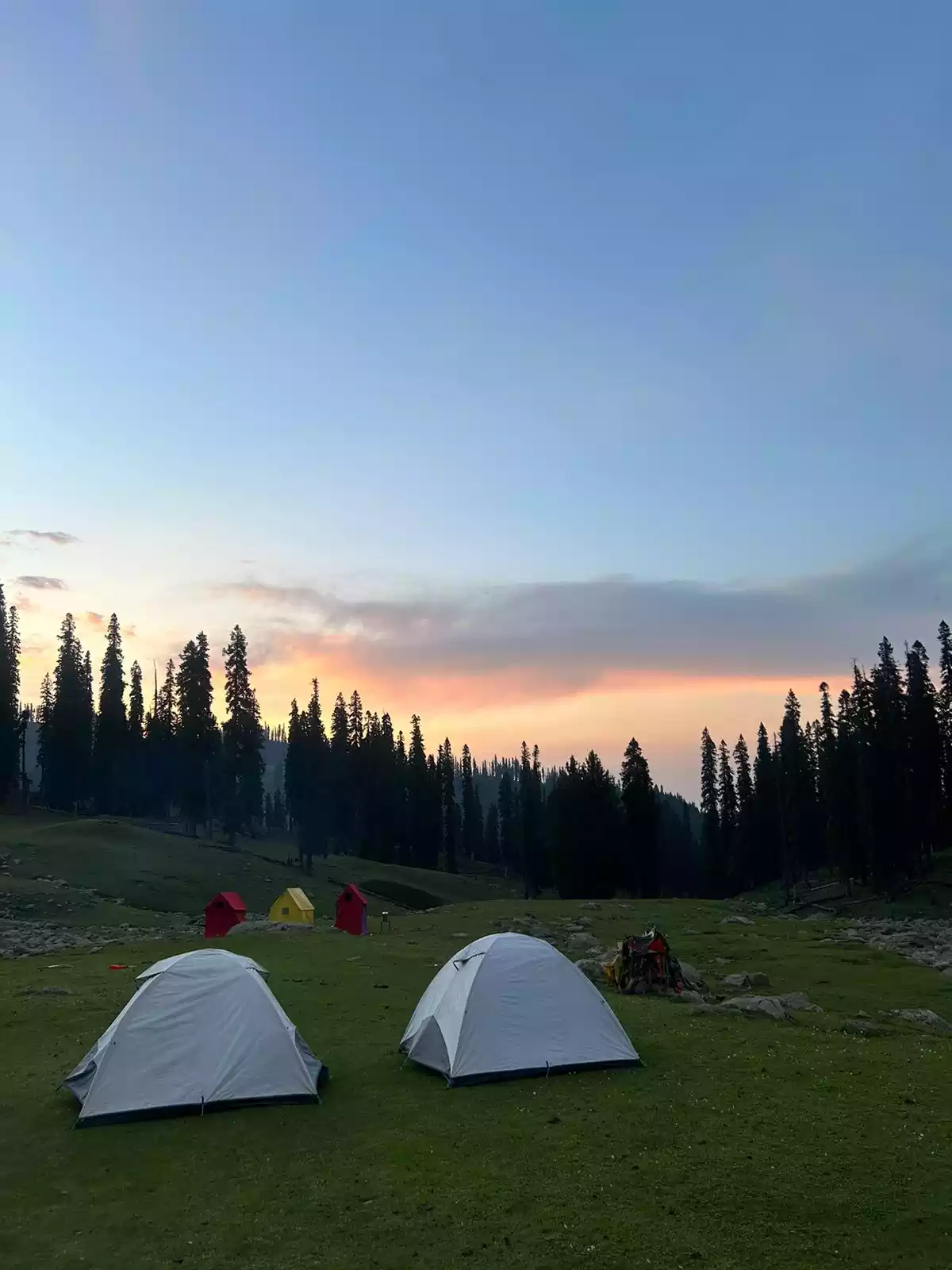
You can also simulate trekking conditions by completing back-to-back training days, hiking after work, or spending weekends outdoors instead of resting indoors. While these activities don’t replicate altitude, they prepare you for the physical and mental fatigue you’ll experience during a multi-day trek. If you are going for a camping trek, you can even practice sleeping on the floor with a thin mat. This will help you prepare for the experience of sleeping while on the camp. Most trekkers struggle for a good night’s sleep in a tent. This practice could literally be a game changer.
The goal isn’t to make training miserable. It’s to build confidence that you can continue moving even when conditions aren’t perfect.
Final Thoughts
Preparing for a high altitude trek is about much more than improving your fitness. It involves strengthening your body, training your mind, choosing the right equipment, understanding your destination, and learning to embrace uncertainty.
No amount of preparation can remove every challenge the mountains present, and that’s precisely what makes trekking such a rewarding experience. Every steep climb, every difficult day, and every moment of discomfort becomes part of a journey that leaves you stronger than when you began.
Start your preparation early, stay consistent with your training, remain curious about the places you’ll visit, and approach every challenge with a positive mindset. The mountains have a remarkable way of rewarding those who arrive prepared.
When the trail gets steep and the air gets thinner, your preparation will carry you forward. And when you finally stand on that mountain pass, looking out across endless peaks, you’ll realize that the journey began long before you took your very first step on the trail.
Follow us on Social Media – LinkedIn | TripAdvisor | Instagram