

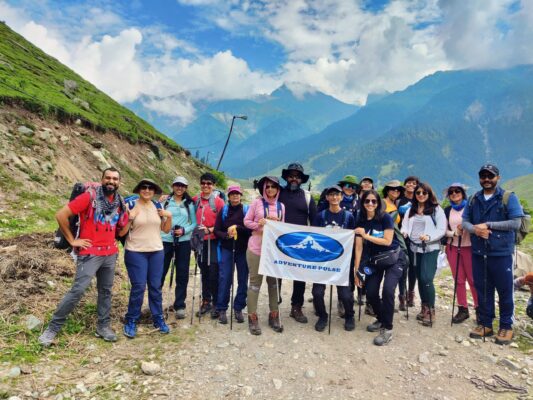

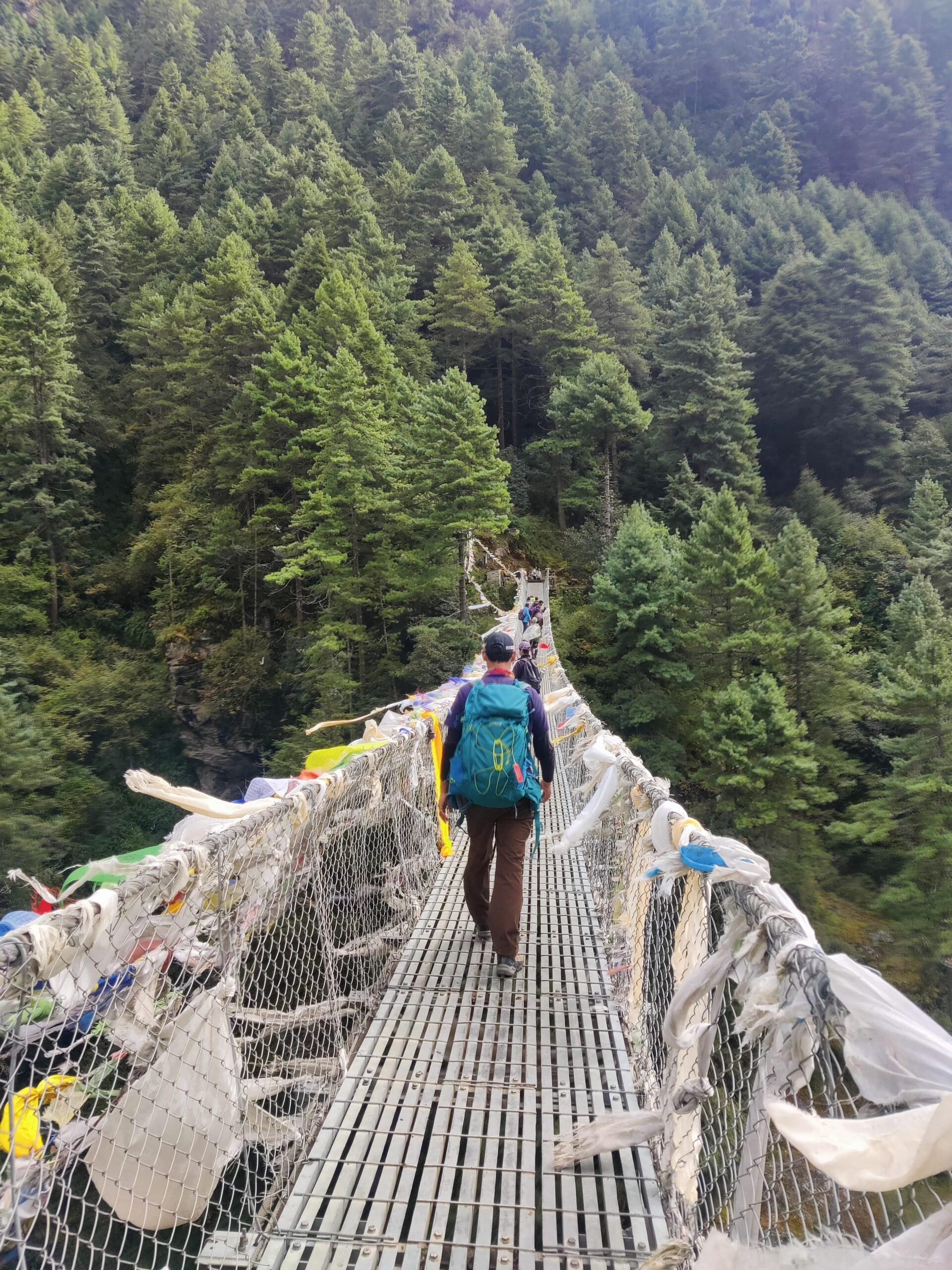

In Part 1 of our Ultimate guide we covered Trek Overview, itinerary, difficulty level etc. of this trek. In this blog let’s understand more details about this region – network connectivity, food, accommodation, views on the trek, culture etc.
Network Availability
Although the Mardi Himal Trek takes you into the heart of the Himalayas, staying connected is easier than it used to be. Over the years, mobile connectivity has improved considerably, allowing trekkers to check in with family and friends at least once a day.
For the best coverage, we recommend purchasing a Nepal Telecom (NTC) SIM card before leaving Kathmandu or Pokhara. NTC offers the most reliable network throughout the trek and generally works across most villages along the route. However, as you approach High Camp, the signal becomes weaker and can occasionally disappear depending on the terrain and weather conditions.
Alternatively, N-cell is another popular network provider. While it performs well in the lower sections of the trail, connectivity becomes increasingly patchy beyond Forest Camp.
In addition to mobile networks, many tea houses now offer Wi-Fi for a nominal fee. That said, internet speeds are usually slow and heavily dependent on the weather, especially during periods of strong winds or rain.
Overall, you can expect to remain reasonably well connected during the trek. Nevertheless, embracing occasional digital disconnects is part of the Himalayan experience, allowing you to fully appreciate the serenity of the mountains.
Tea House Accommodation
One of the biggest advantages of the Mardi Himal Trek is the well-established network of traditional Nepalese tea houses. Rather than camping, trekkers spend each night in simple family-run lodges that offer basic yet comfortable accommodation.
Rooms are generally twin-sharing and come with comfortable beds, warm blankets, and shared toilet facilities. While luxury is certainly not the focus here, the lodges provide everything required for a restful night’s sleep after a long day on the trail.
Moreover, every tea house has a communal dining hall, which quickly becomes the social hub each evening. Trekkers from around the world gather around the warmth of a central stove, sharing stories, exchanging travel tips, and enjoying hearty meals together.
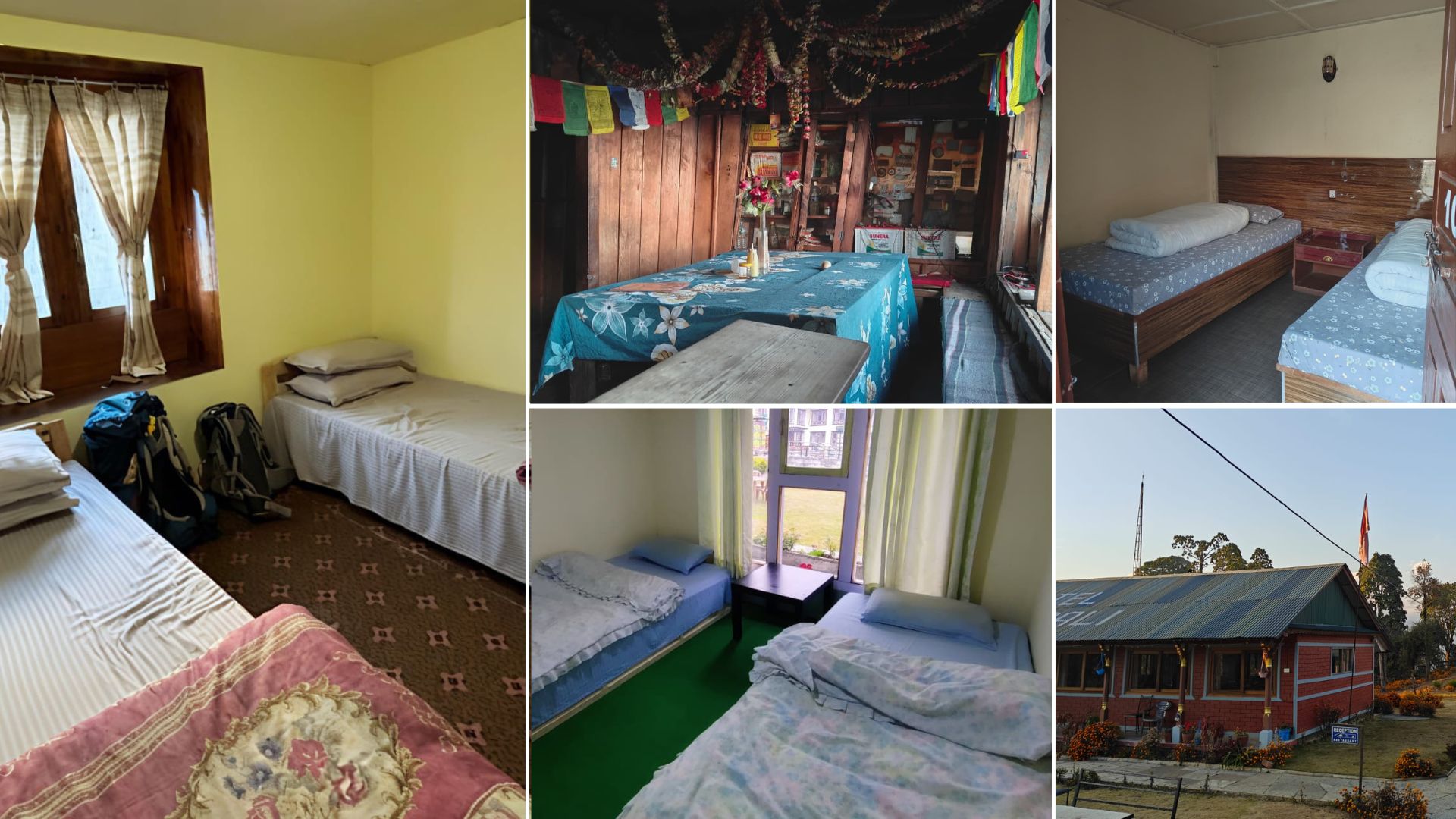
Most tea houses also provide hot showers and charging facilities for an additional charge. However, as you gain altitude, electricity is often generated through solar power, so charging electronic devices may become more expensive and occasionally limited. Despite their simplicity, these mountain lodges are remarkably welcoming and remain one of the most memorable aspects of trekking in Nepal.
Food on the Trek
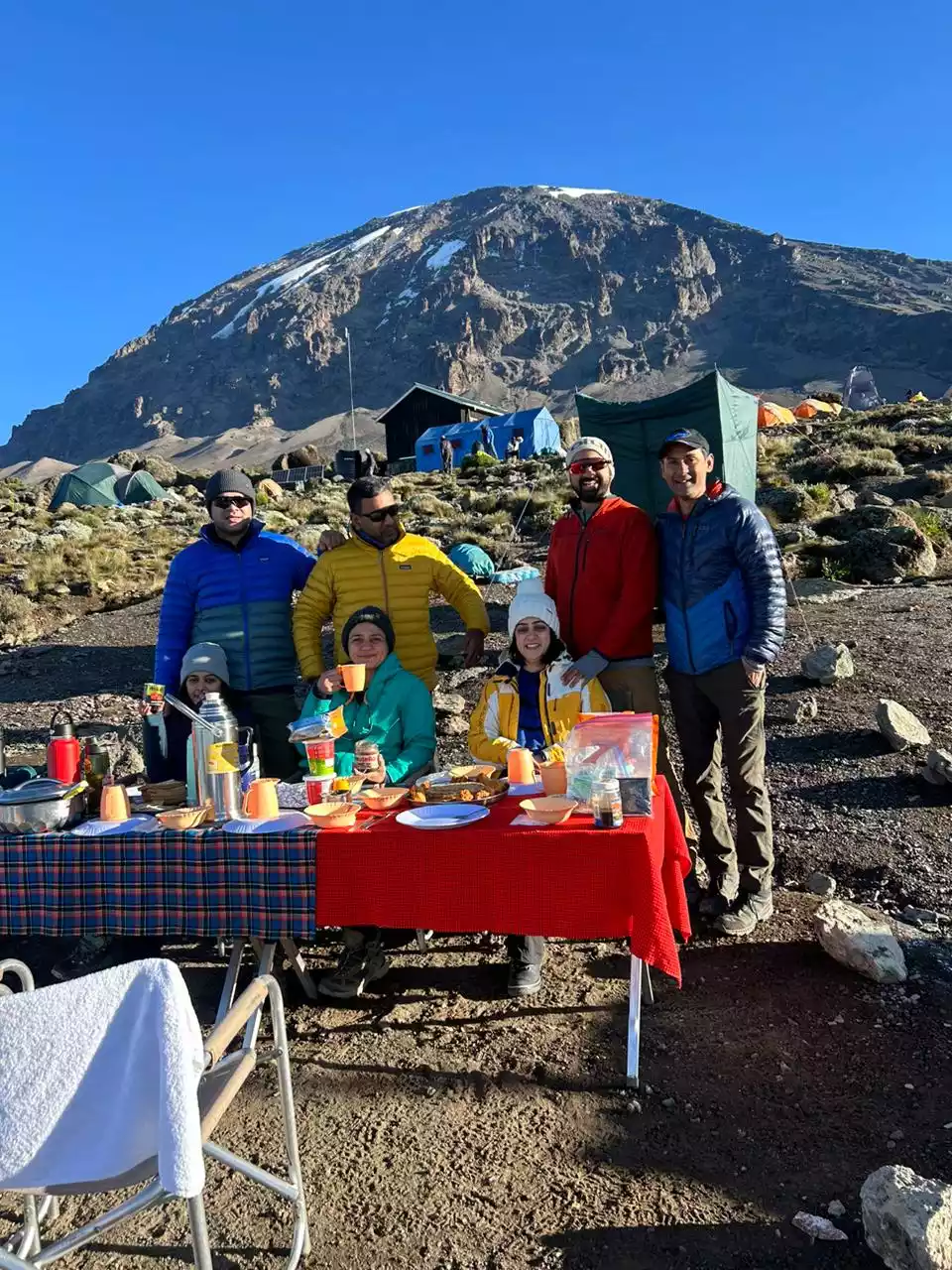
Contrary to what many first-time trekkers expect, you’ll enjoy freshly prepared, hot meals throughout the journey. Tea houses offer surprisingly extensive menus featuring both local Nepali dishes and familiar international favorites.
You can expect to find Dal Bhat, fried rice, noodles, pasta, momo, soups, pancakes, eggs, toast, porridge, and even pizzas at some of the lower tea houses. As you climb higher, the menu gradually becomes smaller since every ingredient has to be transported by porters or mules.
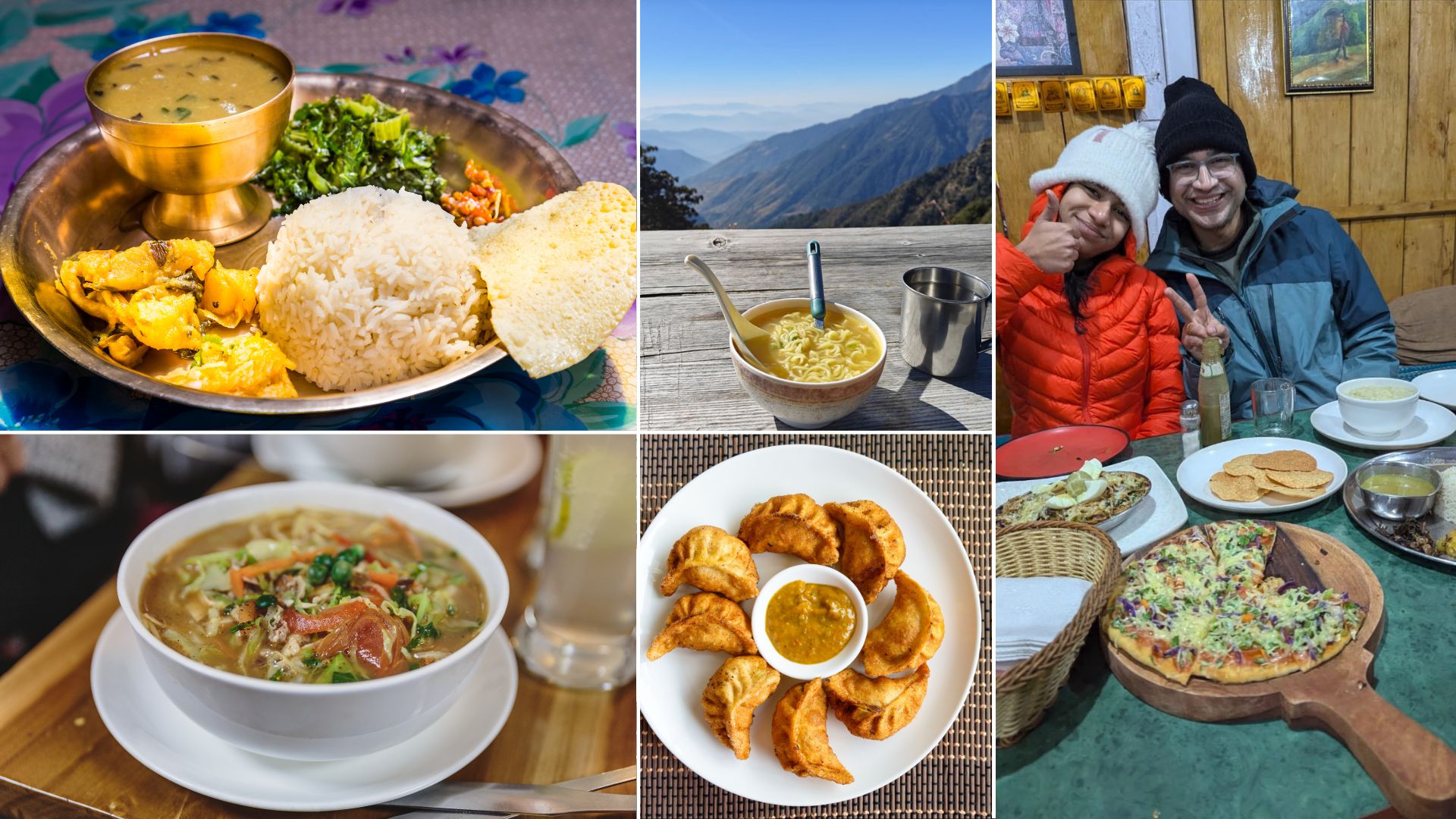
Without a doubt, Dal Bhat remains the most popular meal among trekkers. Consisting of steamed rice, lentil soup, seasonal vegetables, and sometimes pickle or curry, it provides an excellent balance of carbohydrates, protein, and essential nutrients needed for long days on the trail. Better still, many tea houses offer unlimited refills, giving rise to the famous trekking saying, “Dal Bhat Power, 24 Hour.”
Naturally, food prices increase with altitude because transporting supplies becomes progressively more difficult. Nevertheless, the meals remain wholesome, filling, and exactly what your body needs after hours of trekking.
The Views Along the Trek
If there is one reason why the Mardi Himal Trek has become so popular, it is undoubtedly the scenery. From the very first day, the landscape constantly evolves, ensuring that every stage of the trek feels unique.
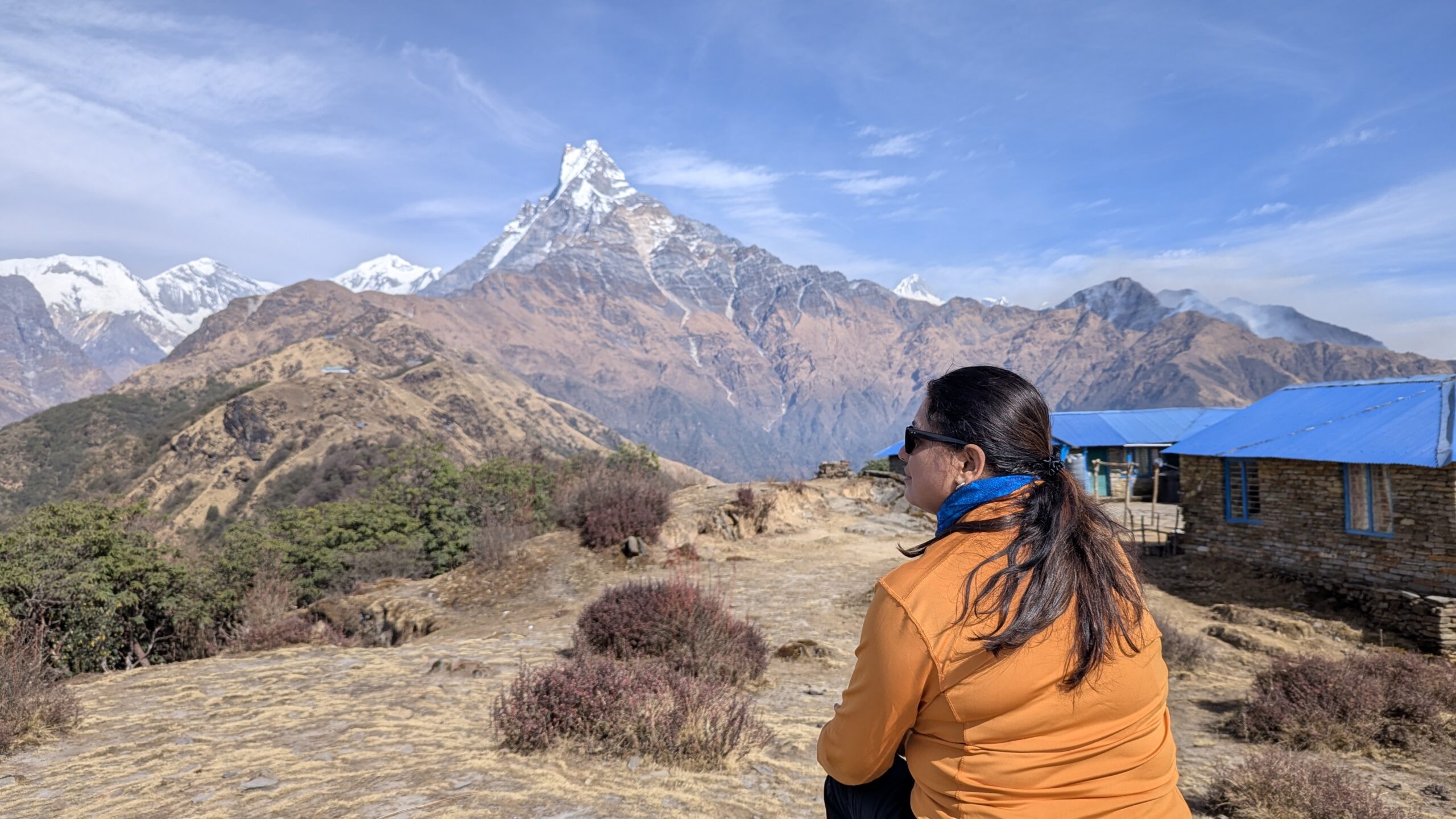
Initially, the trail winds through dense rhododendron and oak forests before gradually emerging onto spectacular ridgelines above the tree line. As the forests begin to thin, magnificent views of Machhapuchhre (Fishtail) suddenly dominate the horizon. Soon afterwards, Annapurna South, Hiunchuli, Mardi Himal, Gangapurna, and even Annapurna I reveal themselves in spectacular fashion. Perhaps the most breathtaking section of the entire trek is the walk from Badal Danda to High Camp. Here, the trail follows a narrow alpine ridge with dramatic valleys on either side, creating one of the most scenic ridge walks in the Annapurna region.
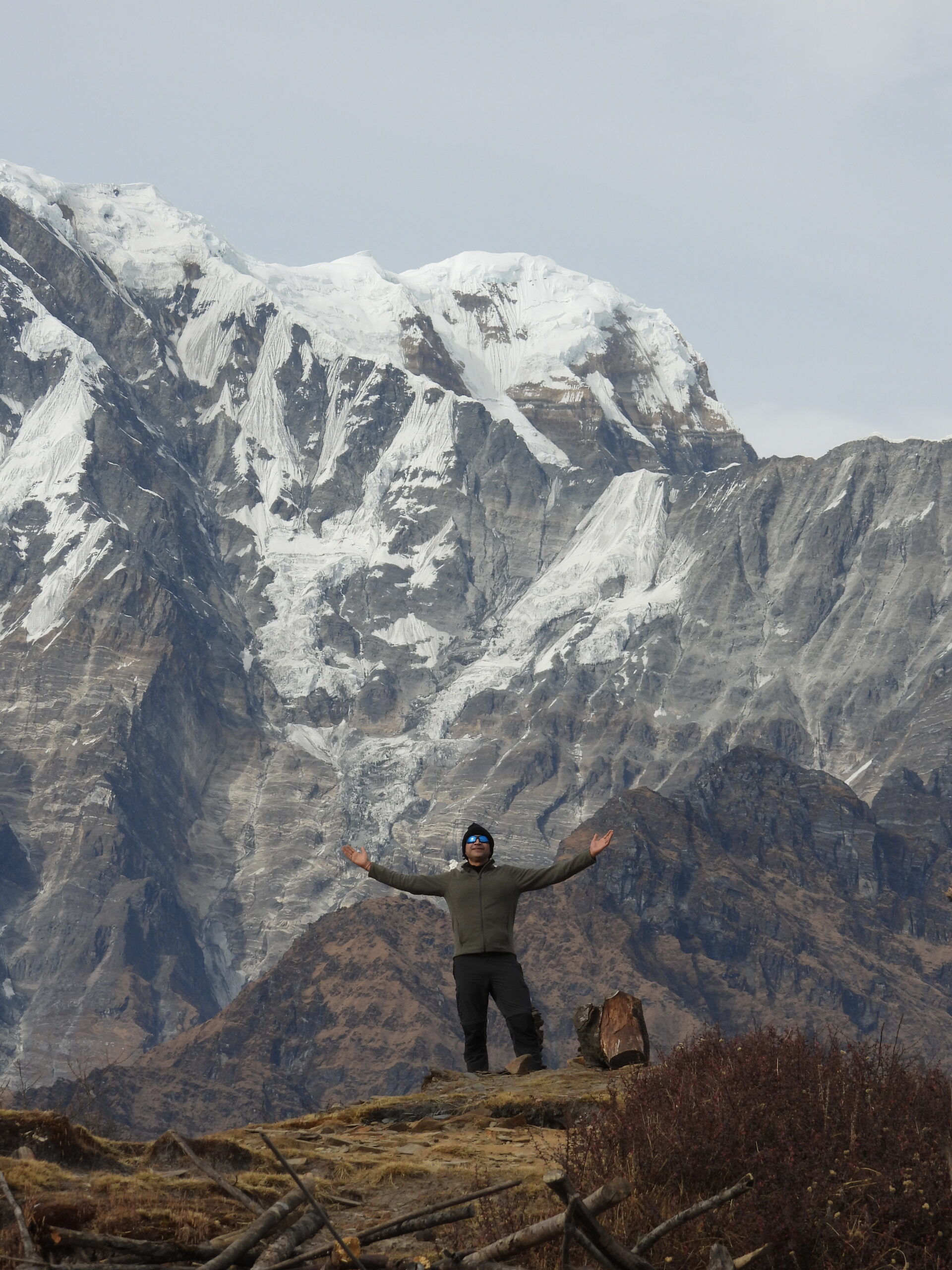
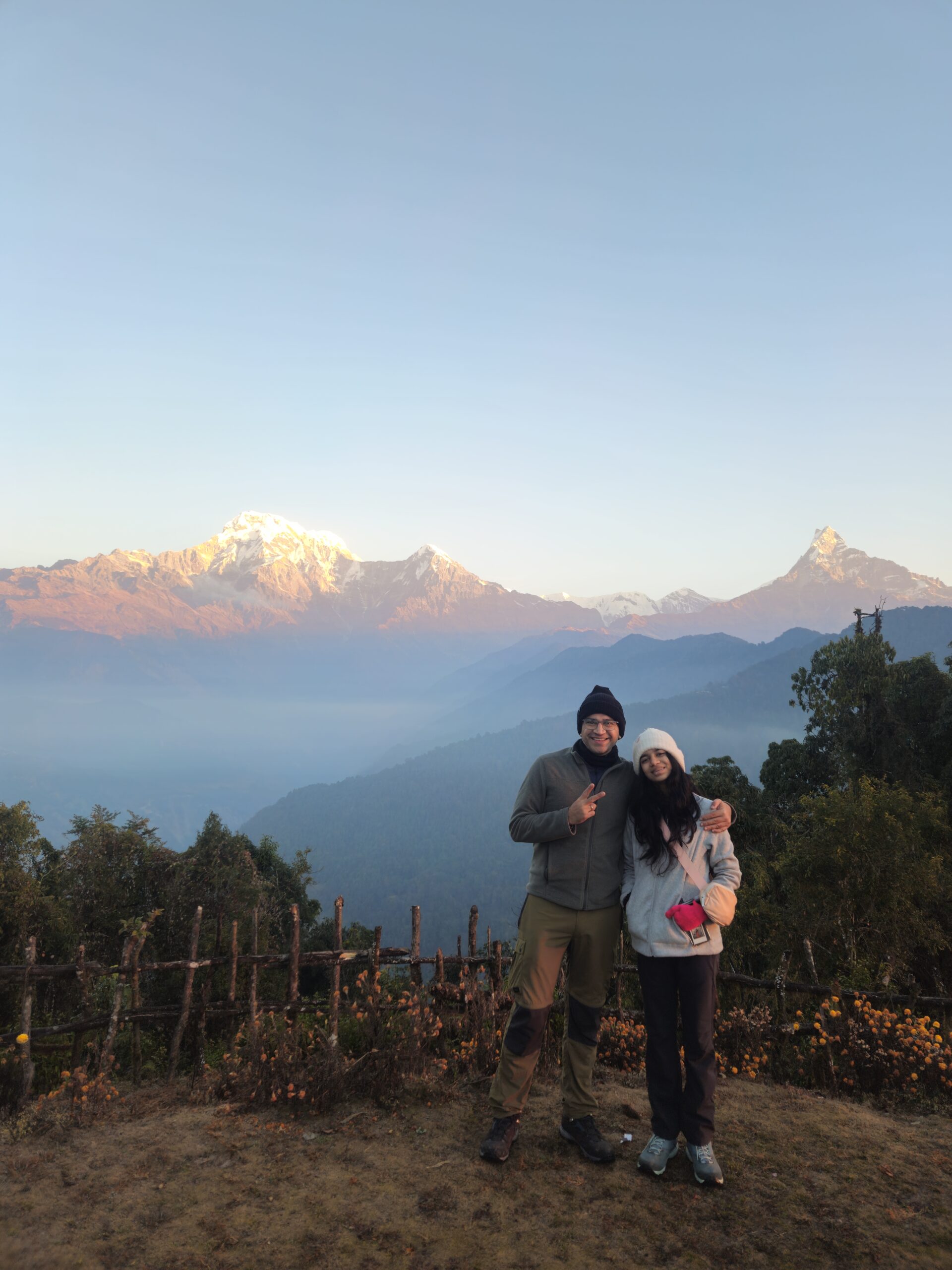
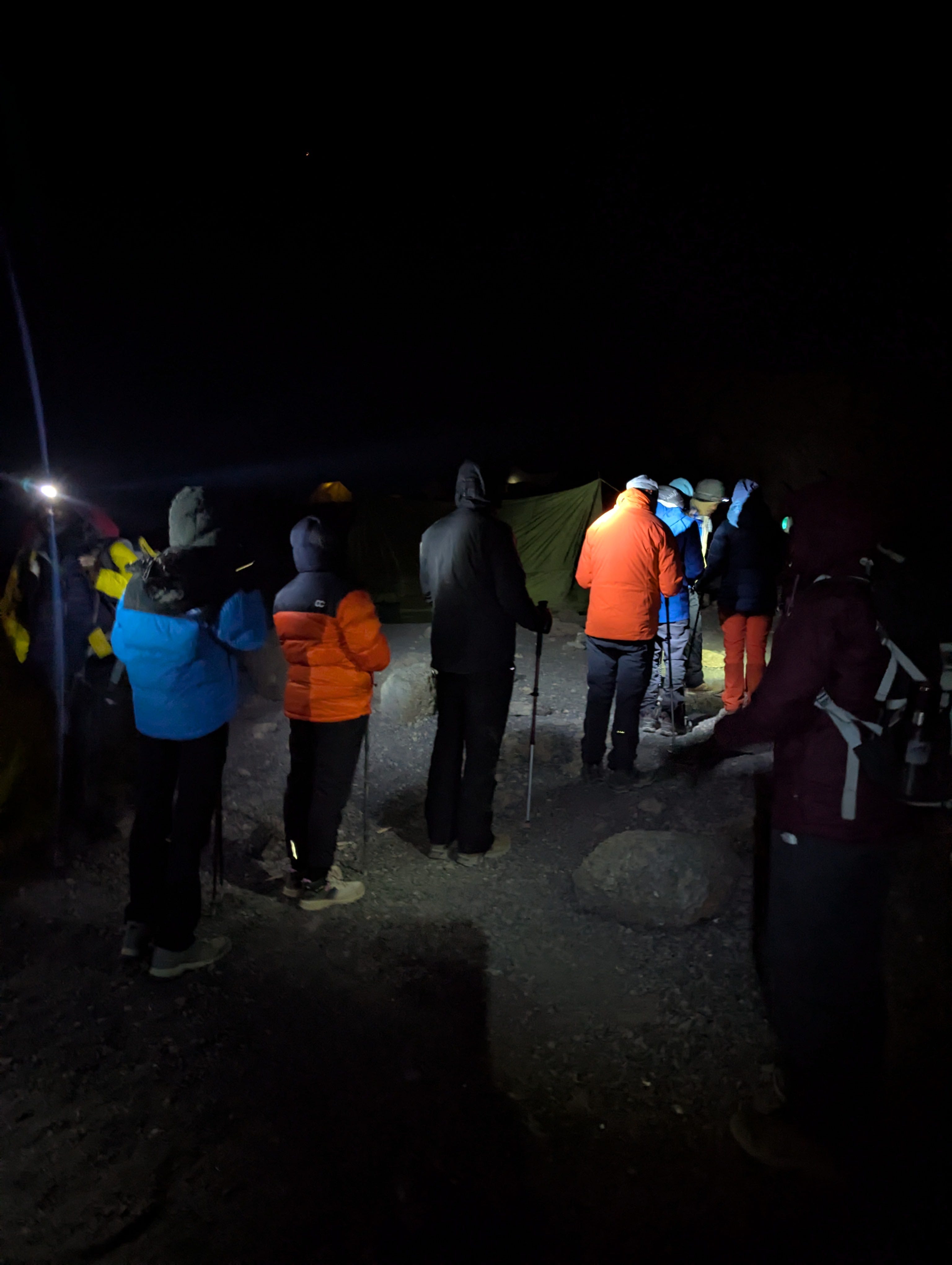
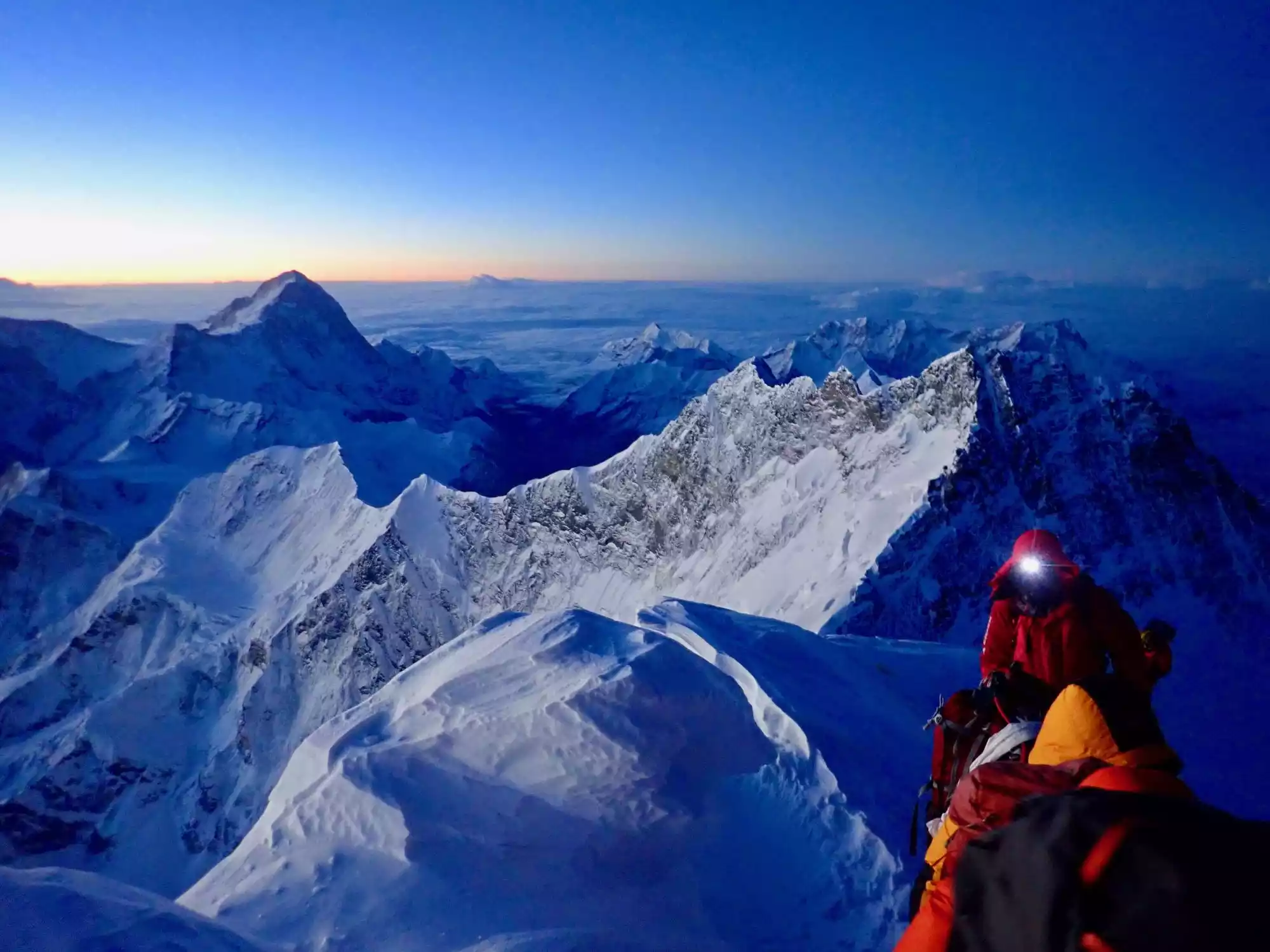
The highlight, however, comes on summit morning. Starting well before sunrise, trekkers gradually climb towards the Mardi Himal View Point. Then, as the first rays of sunlight illuminate the surrounding peaks, the Annapurna range glows in brilliant shades of gold while the iconic Machhapuchhre stands majestically right in front of you. For many trekkers, this unforgettable sunrise becomes the defining moment of the entire adventure.
Culture and Local Communities
Beyond the mountains, the Mardi Himal Trek offers a wonderful glimpse into rural life in Nepal. The lower sections of the trail pass through villages predominantly inhabited by the Gurung community, renowned for their rich traditions, hospitality, and close connection to the Himalayas.
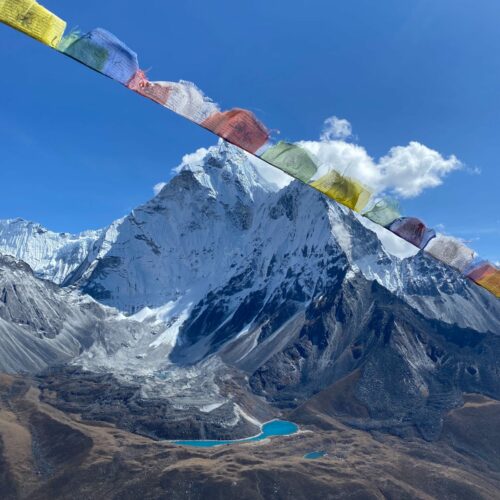
Along the way, you’ll encounter traditional stone houses with slate roofs, beautifully terraced farms, colorful prayer flags fluttering in the mountain breeze, and small Buddhist shrines that reflect the region’s spiritual heritage. Perhaps more importantly, staying in locally owned tea houses allows visitors to experience authentic Nepalese hospitality firsthand. Conversations with lodge owners, guides, and fellow trekkers often become some of the most cherished memories of the journey.
Flora and Fauna
Another fascinating aspect of the Mardi Himal Trek is the remarkable diversity of landscapes and ecosystems encountered within just a few days.
The lower elevations are dominated by dense forests of oak, maple, bamboo, and ferns. During spring, these forests transform into a vibrant display of color as thousands of rhododendron trees burst into bloom, painting entire hillsides in shades of red, pink, and white.
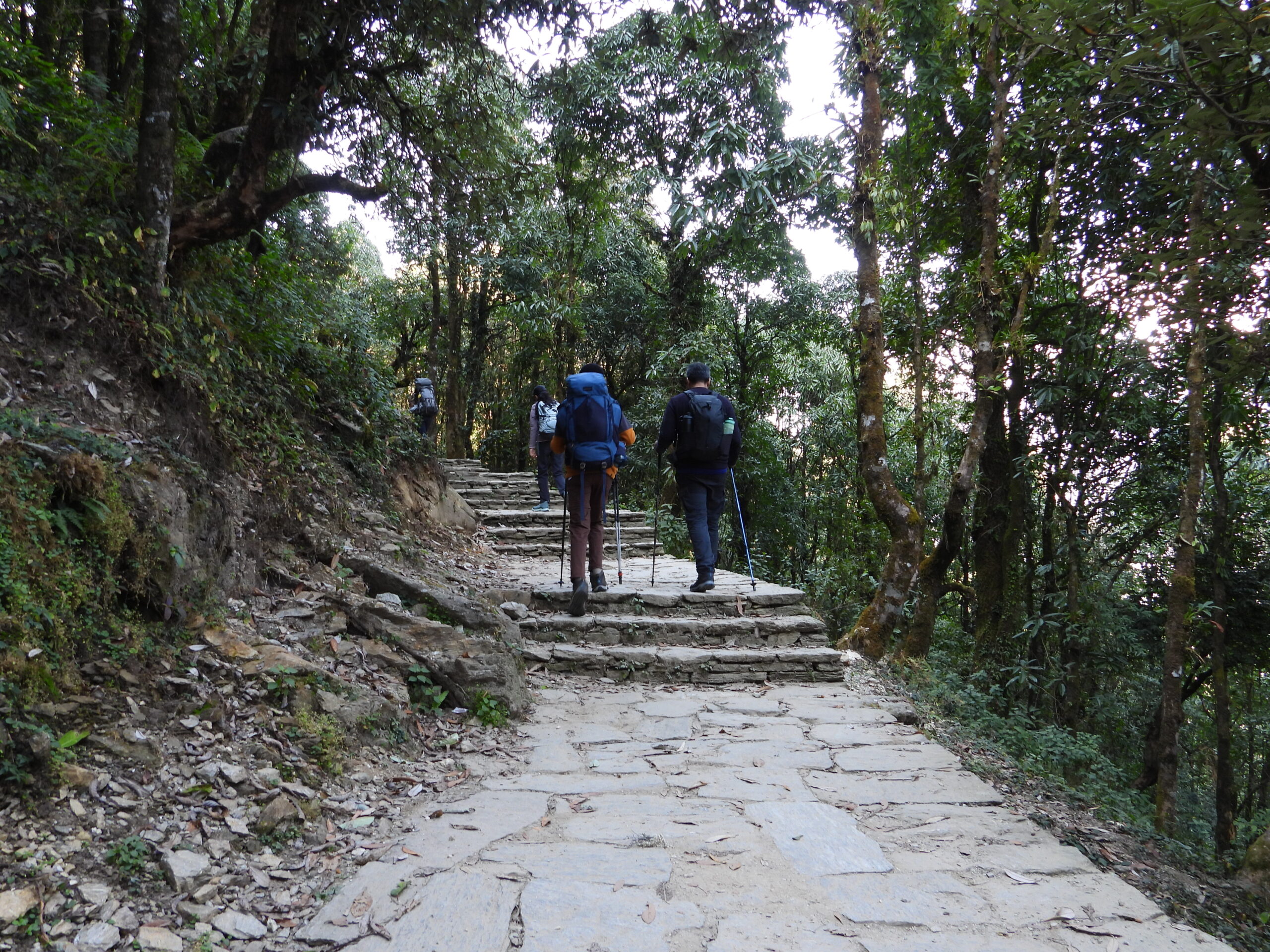
The region is equally rewarding for wildlife enthusiasts. If you’re fortunate, you may spot Nepal’s national bird – the colorful Himalayan Monal, along with Danphe pheasants, langurs, Himalayan Thar, and numerous species of mountain birds. Since wildlife is generally most active during the early morning hours, keeping an eye out while beginning your day’s trek often yields the best sightings.
Mardi Himal View Point vs Mardi Himal Base Camp
One question we are frequently asked is whether trekkers should continue beyond the View Point to Mardi Himal Base Camp.
While the Base Camp sits approximately 300 meters higher, reaching it requires negotiating a much steeper and more exposed trail. Furthermore, the additional climb typically adds another two to three hours to the day. For most trekkers, however, the Mardi Himal View Point offers virtually everything they could hope for. The panoramic views are already exceptional, encompassing Machhapuchhre, Annapurna South, Hiunchuli, Mardi Himal, and much of the Annapurna Sanctuary.
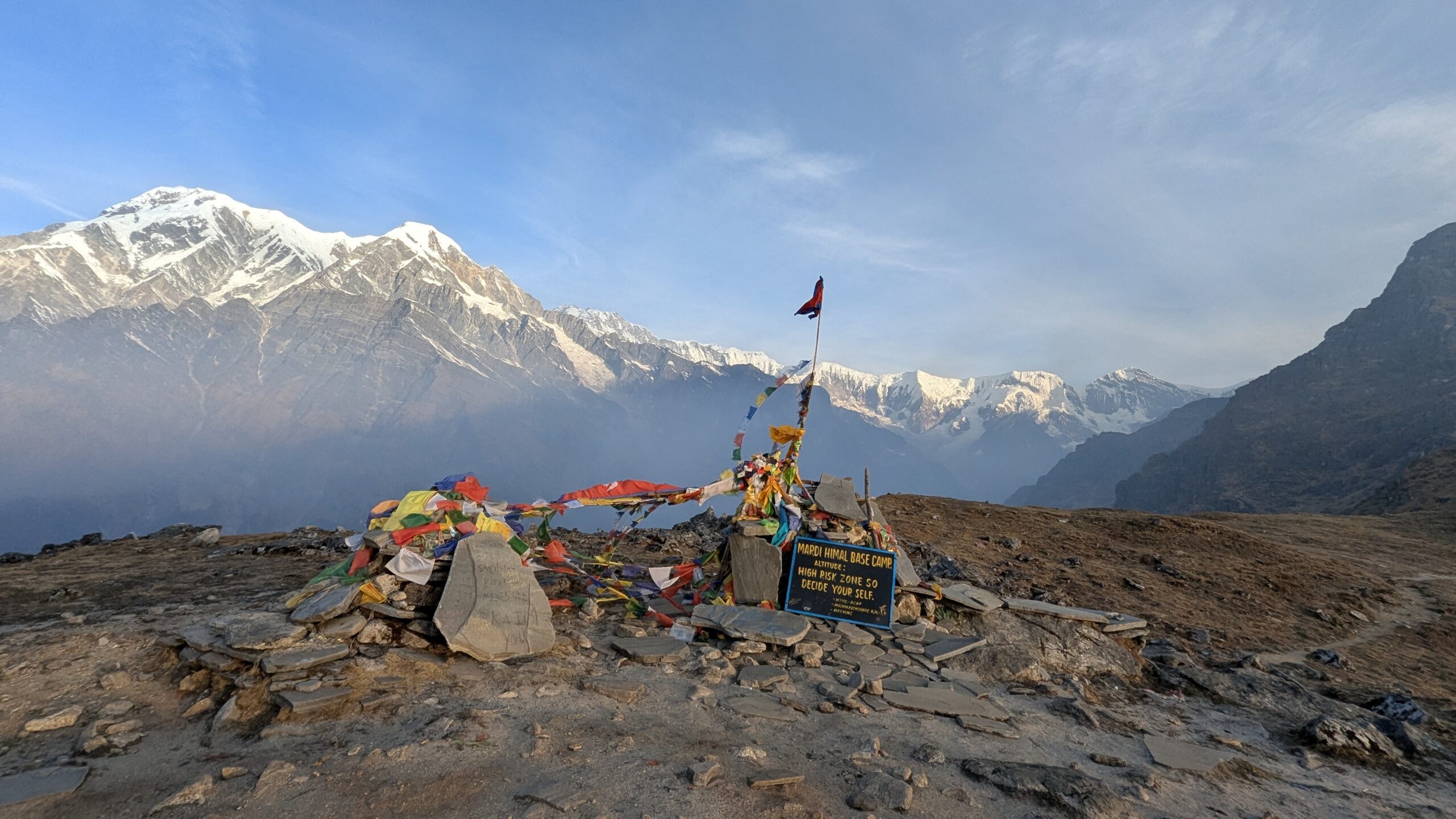
Moreover, mountain weather often changes rapidly after sunrise, making the upper section more challenging and occasionally less safe. For this reason, many experienced trekking companies, choose the View Point as the turnaround point. The additional effort to Base Camp offers only marginally better views while significantly increasing both time and fatigue.
Essential Packing List
Packing wisely can make your trekking experience far more comfortable. Since temperatures vary significantly between Pokhara and High Camp, dressing in layers is the key. Your clothing should include moisture-wicking T-shirts, trekking pants, thermal layers, a fleece jacket, a down jacket, and a waterproof outer shell. Meanwhile, essential trekking gear should include sturdy trekking shoes, trekking poles, a headlamp, sunglasses, sunscreen, a 30–40 litre backpack, a power bank, and water bottles with a combined capacity of at least two litres.
If you don’t own specialized trekking equipment, there’s no need to worry. Most essential gear can be rented easily in Kathmandu before the trek begins. For the entire list of Apparel and accessories you need for the trek – Click Here.
Frequently Asked Questions
How many days do you need?
A 5 to 6 day’ itinerary from Pokhara provides the ideal balance between comfortable trekking days and proper acclimatization.
Is altitude sickness common?
Although the trek reaches around 4,200 meters, the risk is lower than on many longer Himalayan treks. Even so, ascending gradually, staying hydrated, and listening to your body remain essential.
Can beginners do the trek?
Absolutely. With a reasonable level of fitness and some preparation beforehand, the Mardi Himal Trek is an excellent first Himalayan adventure.
Do you need a guide?
Current trekking regulations in Nepal may change, so it’s always advisable to check the latest requirements before travelling.
Even when a guide is not mandatory, hiring one greatly enriches the experience. Besides ensuring smoother logistics and enhancing safety, local guides share fascinating insights into the region’s culture, traditions, and mountain lifestyle. Many also have family or friends living in the villages along the route, creating opportunities for meaningful interactions that independent trekkers often miss. Sharing stories with local families over a warm cup of traditional butter tea is an experience that adds a deeply personal dimension to the trek.
Is there snow?
Snowfall is most common between December and March, particularly around High Camp and the Mardi Himal View Point.
Final Take
The Mardi Himal View Point Trek perfectly balances accessibility, breathtaking scenery, and authentic Himalayan culture. Unlike many longer treks in Nepal, it delivers spectacular mountain panoramas, peaceful forest trails, welcoming tea houses, and a genuine sense of adventure – all within less than a week.
Whether you’re planning your first trek in Nepal or returning to the Himalayas for another adventure, Mardi Himal offers an experience that is both rewarding and unforgettable. Above all, it proves that you don’t need weeks in the mountains to witness some of the finest views in the Annapurna region.
For trekkers seeking a well-paced itinerary, experienced local guides, and a strong safety-first approach, the Mardi Himal View Point Trek remains one of our favorite Himalayan adventures to recommend.
Follow us on Social Media – LinkedIn | TripAdvisor | Instagram