




Introduction
Nestled in the heart of Nepal’s Annapurna region, the Mardi Himal View Point Trek is one of the country’s most rewarding short Himalayan adventures. While iconic routes such as Everest Base Camp and Annapurna Base Camp attract thousands of trekkers every year, Mardi Himal offers a quieter and more intimate experience without compromising on mountain views. In fact, it has steadily gained popularity among trekkers looking for an offbeat trail that combines stunning scenery with a sense of solitude.
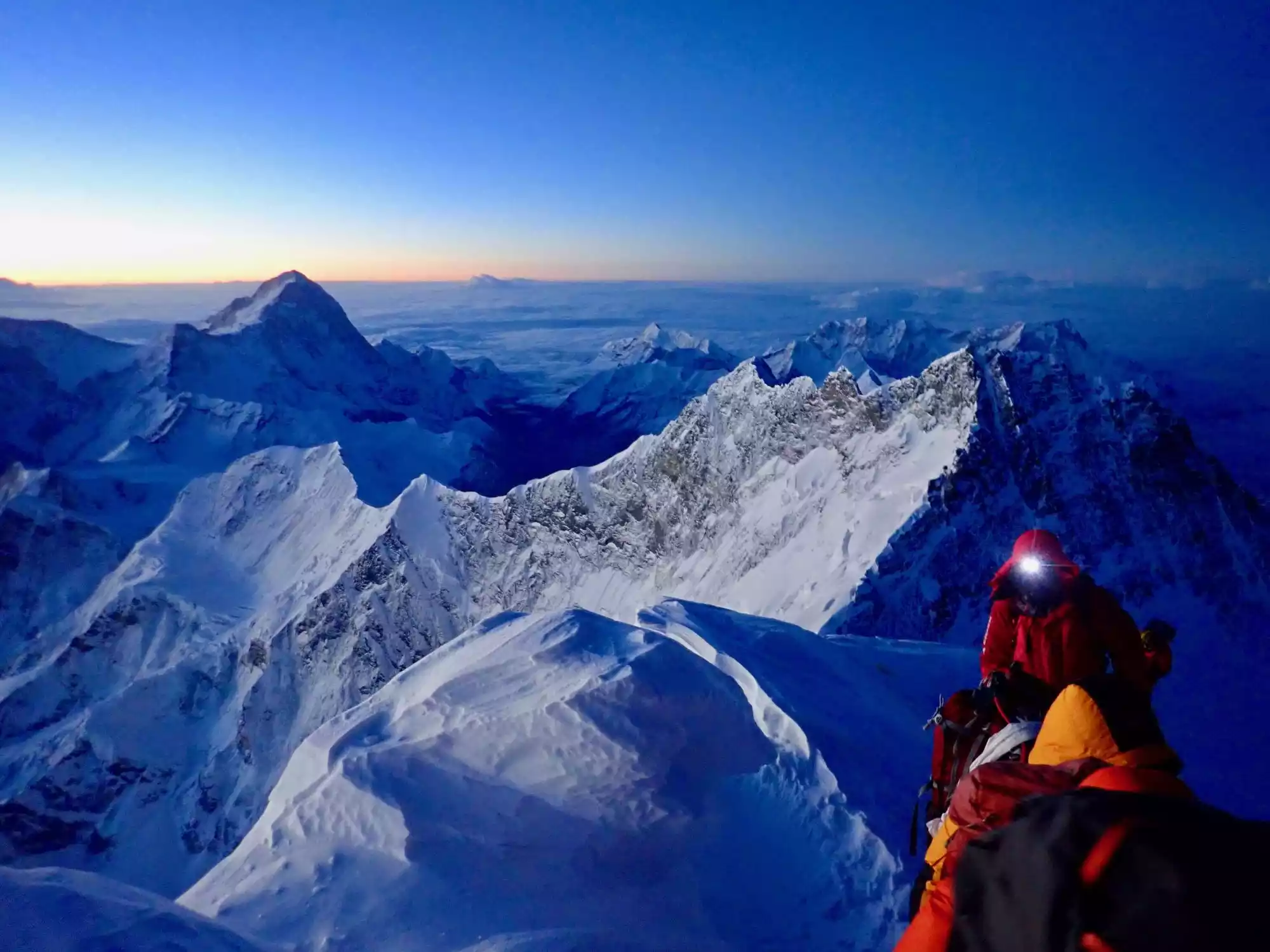
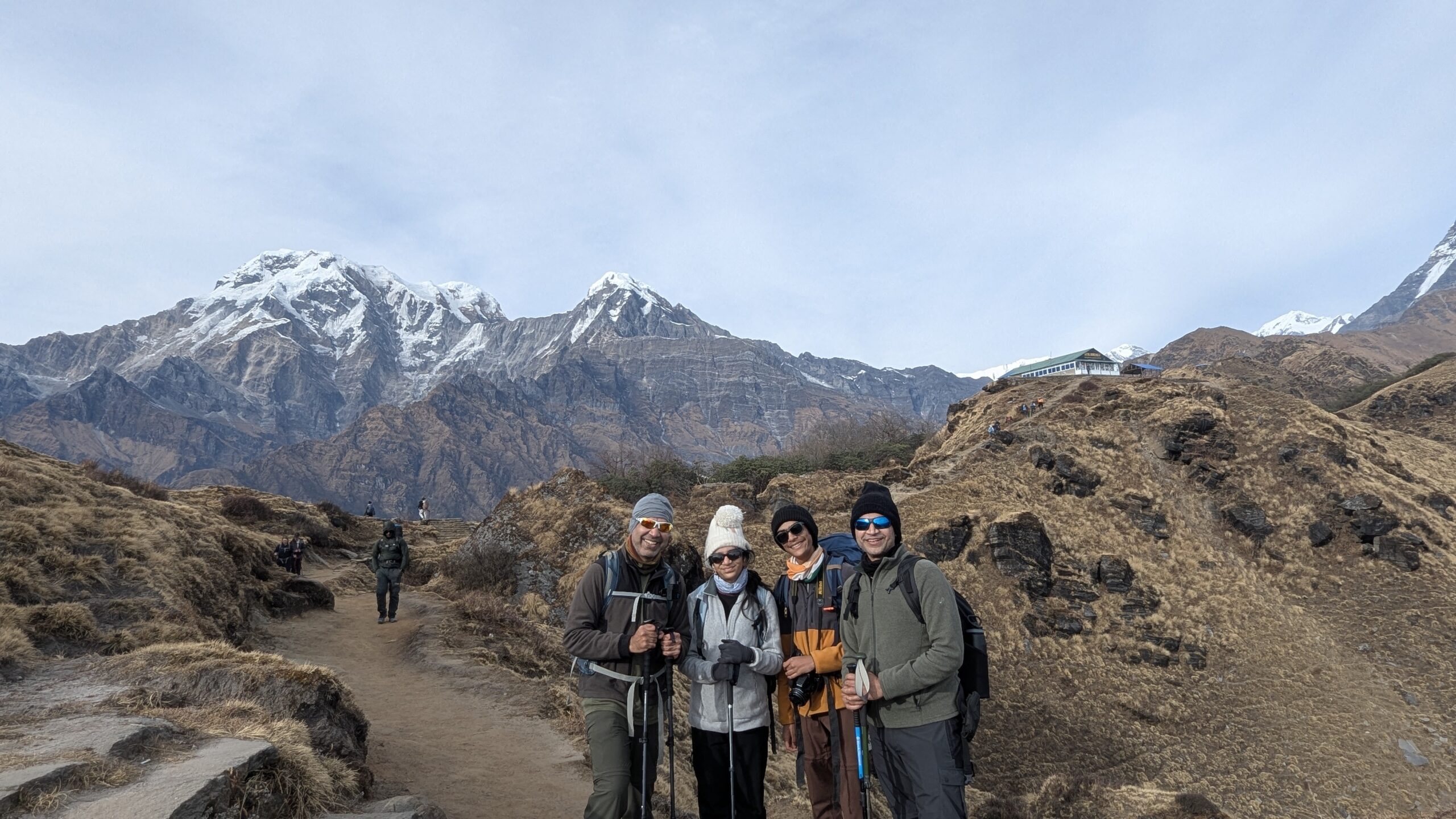
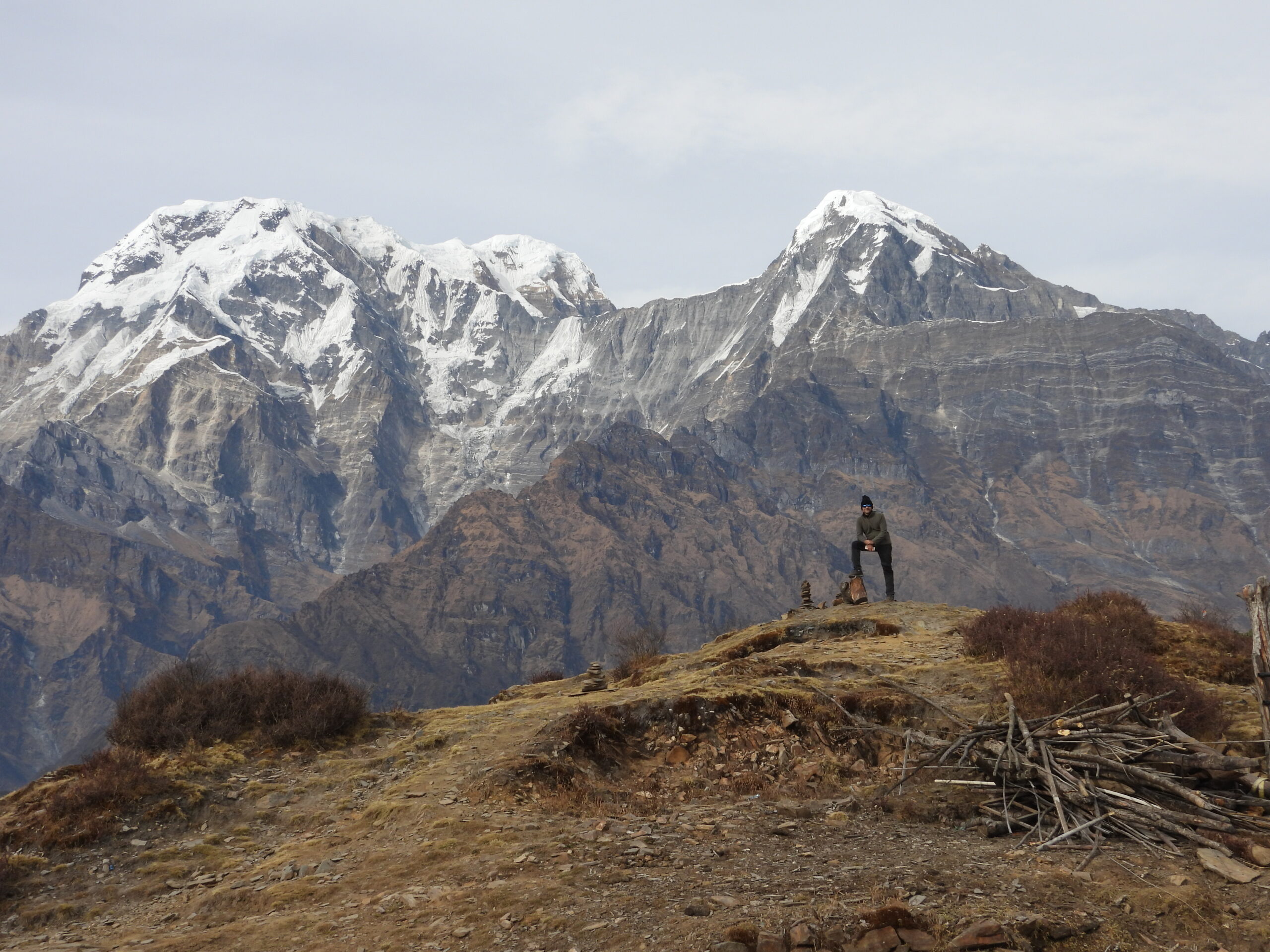
The trek follows a beautiful ridgeline through dense rhododendron forests, charming mountain settlements, and open alpine terrain before culminating at the spectacular Mardi Himal View Point. As you gradually gain altitude, the landscape transforms from lush forests to rugged high-altitude terrain, with each day revealing increasingly dramatic Himalayan vistas. Finally, standing at approximately 4,200 metres, trekkers are rewarded with breathtaking views of Machhapuchhre (Fishtail), Annapurna South, Hiunchuli, Mardi Himal, and several other peaks of the Annapurna massif.
Why Mardi Himal?
One of the biggest advantages of the Mardi Himal Trek is its accessibility. Starting from the popular city of Pokhara, the trek can be completed within a week, making it an excellent choice for travelers who want to experience the Himalayas but have limited time. Moreover, the route is considerably less crowded than many of Nepal’s classic trails, allowing trekkers to enjoy peaceful paths and develop a deeper connection with the surrounding mountains. At the same time, the trek offers all the elements that make Himalayan adventures unforgettable – dense forests, scenic ridgelines, welcoming tea houses, and awe-inspiring mountain panoramas.
Whether you are a beginner looking for your first trek or an experienced trekker seeking a shorter adventure with exceptional scenery, the Mardi Himal View Point Trek has something to offer. Not only does it deliver spectacular views in just a few days, but it also provides a rewarding trekking experience without the larger crowds found on more famous routes.
Kathmandu – The Gateway to Nepal
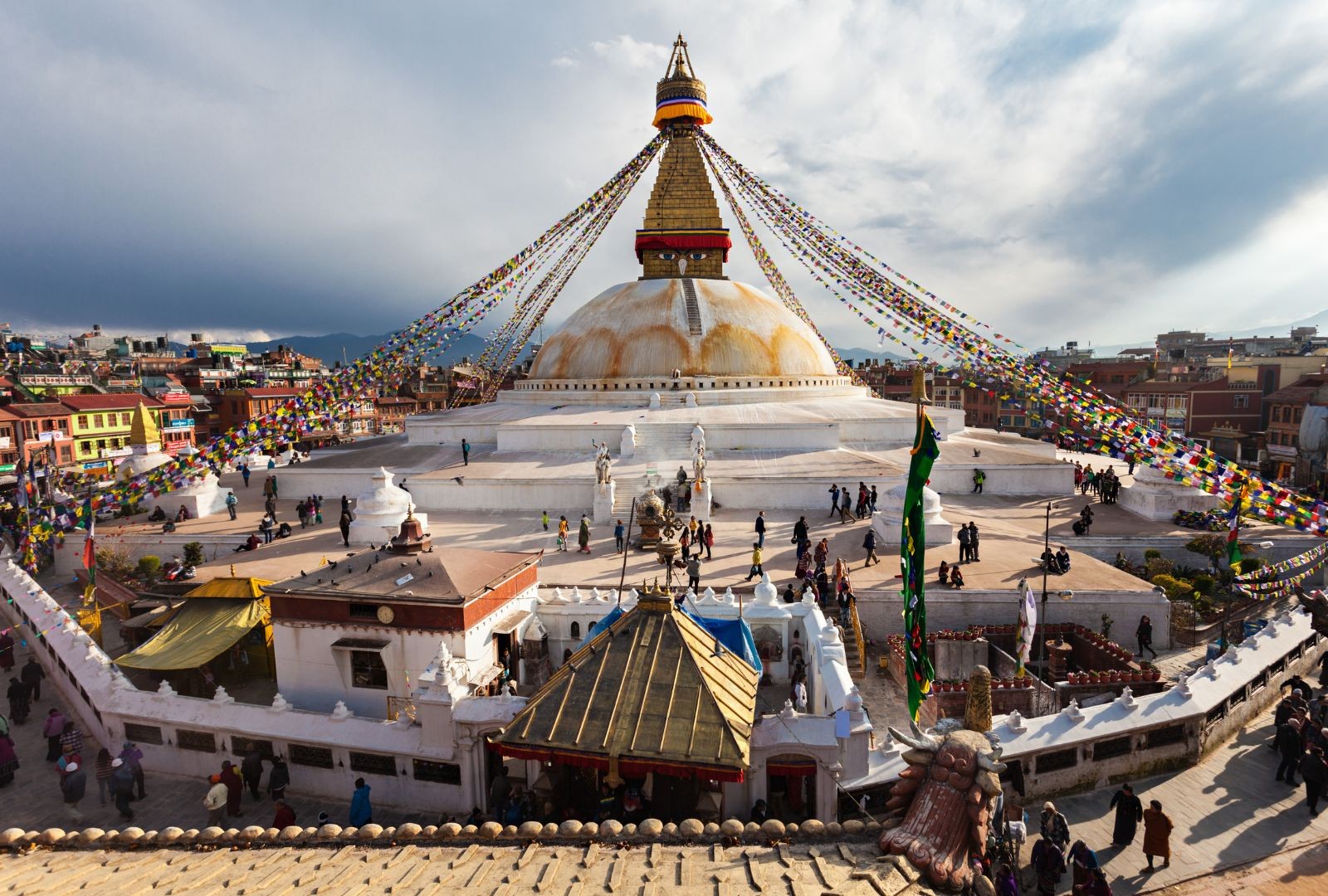
Almost every trekking journey in Nepal begins in Kathmandu, the country’s vibrant capital city. Situated in a valley surrounded by green hills, Kathmandu serves as the primary entry point for international travelers arriving in Nepal.
Beyond being a transit hub, Kathmandu offers a fascinating blend of culture, history, and adventure. Ancient temples, bustling markets, colorful prayer flags, and centuries-old architecture provide visitors with a glimpse into Nepal’s rich heritage.
For trekkers, Kathmandu is also the ideal place to complete last-minute preparations. The popular Thamel district is filled with trekking shops, gear rental stores, currency exchange centers, restaurants, and travel agencies. Whether you need a down jacket, trekking poles, snacks, or a local SIM card, you’ll find everything within walking distance.
Most trekkers spend a day or two in Kathmandu before heading to Pokhara, the starting point for the Mardi Himal Trek.
How to Get to Pokhara?
The journey between Kathmandu and Pokhara can be completed by a short domestic flight or by road. While the flight takes approximately 25 minutes and offers stunning views of the Himalayas, the road journey takes around 7–9 hours depending on traffic and road conditions.
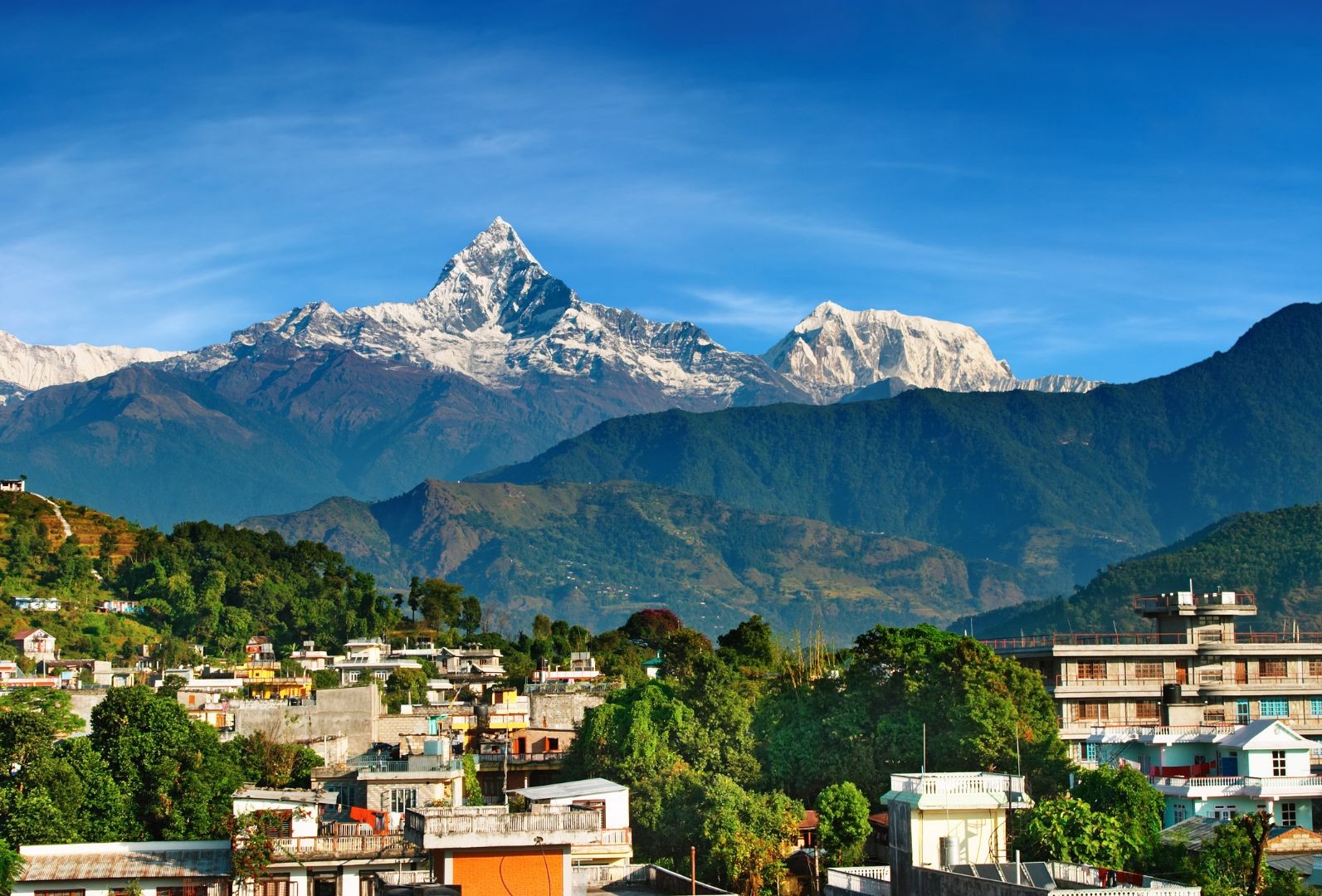
Once in Pokhara, the atmosphere changes dramatically. With its serene lakeside setting and mountain backdrop, Pokhara offers the perfect introduction to the adventure that lies ahead.
Trek Overview
Located within the Annapurna Conservation Area, the Mardi Himal Trek follows a relatively new trekking route that remained largely undiscovered until recent years. Today, it has become one of Nepal’s most sought-after short treks thanks to its stunning mountain views, diverse landscapes, and relatively low crowds.
Unlike many trekking routes that traverse valleys, the Mardi Himal Trek follows a scenic ridge that offers continuous views of the surrounding peaks. The trail gradually transitions from lush forests and traditional villages to open alpine meadows and rugged mountain terrain.
Quick Facts:
- Region: Annapurna
- Duration: 8 Days (Incl International Arrival & Departure)
- Max Elevation: 4200 Meters | Feet
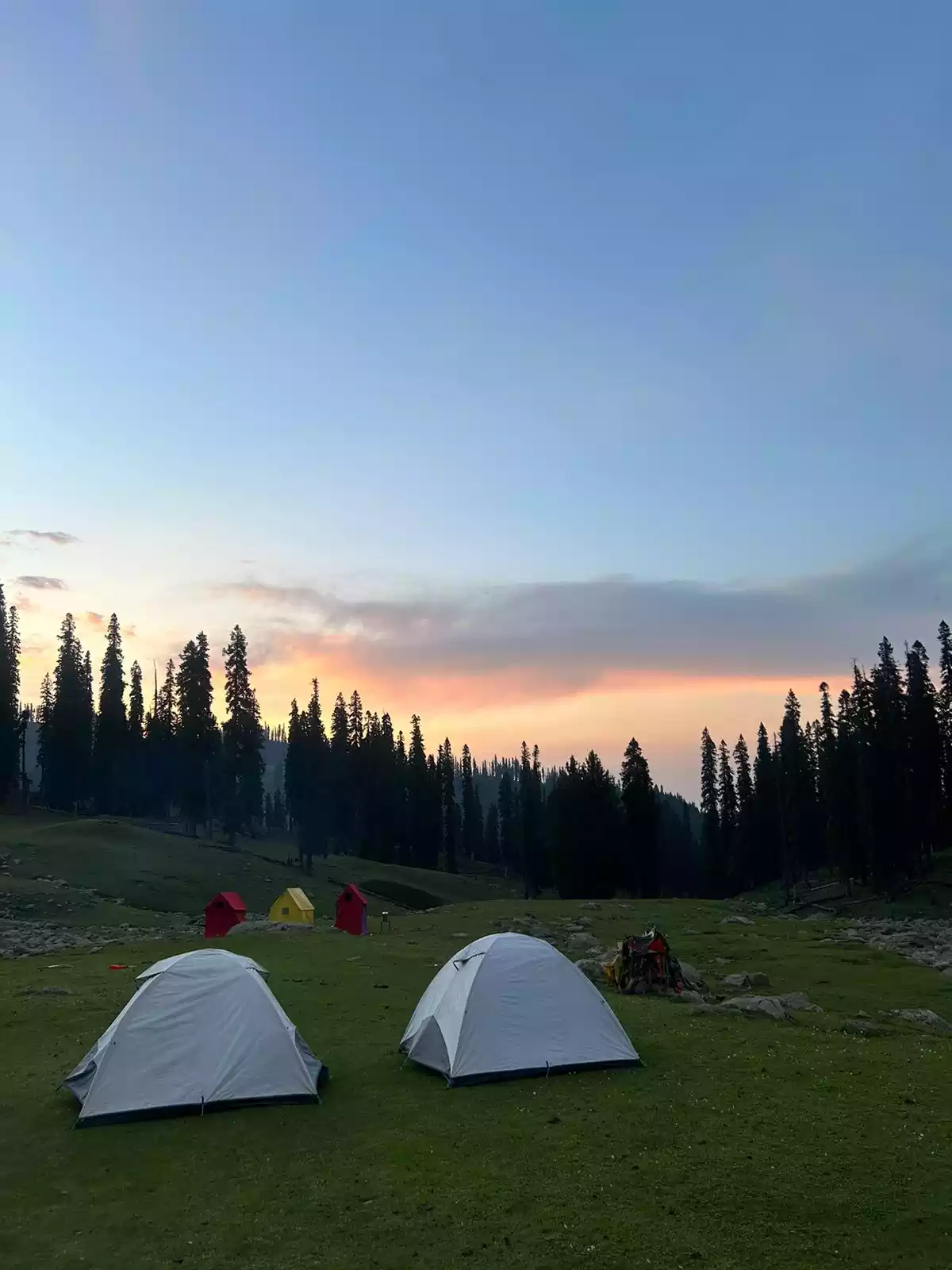
- Accommodation: Hotel in Kathmandu | Tea-Houses on the Trek
- Difficulty Level: Easy to Moderate
- Trek Start Point: Dhampus Village
- Trek End Point: Sidhing Village
Why Choose the Mardi Himal Trek?
- One of Nepal’s best short Himalayan treks.
- Exceptional close-up views of Machhapuchhre (Fishtail).
- Less crowded than Annapurna Base Camp.
- Suitable for beginners with reasonable fitness.
- Diverse landscapes ranging from forests to alpine terrain.
- Comfortable tea house accommodation throughout the route.
- Easily accessible from Pokhara.
For trekkers seeking maximum mountain views in a limited timeframe, few treks in Nepal offer as much value as Mardi Himal.
Itinerary
Day 1: Arrival in Kathmandu
The team arrives in Kathmandu on Day 1 and spends overnight at a hotel in the district of Thamel. This is an opportunity to not only explore the city, seek blessings at Pashupatinath & Boudnath but also get some last minute shopping done.
Day 2: Drive from Pokhara to Dhampus and Trek to Pitam Deurali
Altitude: 2,500 m
Duration: 5–6 Hours
The journey begins with a short drive from Pokhara to Dhampus. From here, the trail climbs steadily through beautiful forests filled with oak, maple, and rhododendron trees. The route passes through Australian Camp and Pothana before entering dense forest sections that lead towards Duerali.
The peaceful surroundings and occasional mountain views provide an excellent introduction to the trek.
Day 3: Deurali to Low Camp
Altitude: 2,990 m
Duration: 4–5 Hours
Today’s trail continues through enchanting forests draped in moss and dotted with rhododendron trees. As altitude is gained, glimpses of Machhapuchhre begin to appear through openings in the forest. Low Camp marks the transition between the forest zone and the more open ridgeline terrain that characterises the upper sections of the trek.
Day 4: Low Camp to High Camp
Altitude: 3,580 m
Duration: 4–5 Hours
One of the most scenic days of the trek, the trail climbs above the tree line and follows a spectacular ridge. With every step, the mountain views become more dramatic. Machhapuchhre dominates the skyline while Annapurna South and Hiunchuli rise prominently to the west. The route passes through Badal Danda and Middle Camp before reaching High Camp.
Day 5: High Camp to Mardi Himal View Point and Return to Low Camp
View Point Altitude: Approximately 4,200 m
Duration: 7–8 Hours
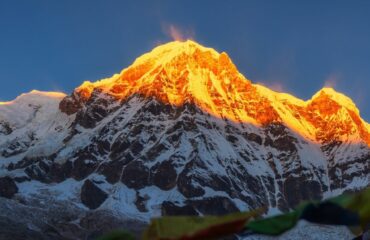
The highlight of the trek begins before sunrise. An early morning ascent leads to Mardi Himal View Point, where trekkers witness one of the finest panoramas in the Annapurna region. The views encompass Machhapuchhre, Annapurna South, Hiunchuli, Mardi Himal, Annapurna I, Gangapurna, and several surrounding peaks. After spending time at the View Point, the trail retraces its steps back to High Camp before descending to Low Camp.
Day 6: Trek to Siding Village and Drive to Pokhara and overnight stay
Duration: 5–6 Hours Trek + Drive
The final day follows a scenic descent through forests and traditional villages before reaching Siding, a peaceful Gurung settlement. From here, a vehicle transfer brings trekkers back to Pokhara, for an overnight stay and celebration after successfully completing our adventure!
Day 7: Fly from Pokhara to Kathmandu
We take a morning flight out of Pokhara and head back to Kathmandu! Rest, chill, indulge in a massage. This day can be utilized the way you want!
Day 8: International Departure
Day 8 marks our departure. We say our goodbye’s with heavy heart, hoping we meet you soon on another adventure.
Is the Mardi Himal Trek Difficult?
One of the most common questions we get is: Can a beginner do the Mardi Himal Trek? The answer is yes! Provided you have a decent level of fitness.
What makes it beginner-friendly?
- Relatively short duration
- Comfortable tea house accommodation
- No technical climbing
- Good trail infrastructure
- Lower altitude than many famous Himalayan treks
What makes it challenging?
- Steep uphill sections, especially from Low Camp onward
- Long descent on the final day
- Early morning climb to the View Point
- Cold temperatures above 3,000 m
A good benchmark is being able to walk 5 to 7 hours in a day and climb stairs continuously for at least 30 minutes without excessive fatigue. For trekkers preparing specifically for this route, we usually recommend 4 to 6 weeks of regular walking, stair climbing, and light strength training.
Best Time to Visit
Spring (March to May)
- Rhododendron forests in full bloom
- Pleasant daytime temperatures
- Excellent mountain views
This is arguably the most beautiful season for the Mardi Himal trek.
Autumn (October to November)
- Clear skies after the monsoon
- Crisp air
- Most reliable visibility
Winter (December to February)
- Fewer crowds
- Snow above High Camp
- Very cold mornings
Monsoon (June to August)
- Lush green forests
- Leeches in lower sections
- Cloudy mountain views
Not the ideal season unless you specifically enjoy monsoon trekking.
Please read PART – 2 here, to know more about this incredible Adventure! Follow us on Social Media – LinkedIn | TripAdvisor | Instagram