Trek to the prettiest lake in Kyrgyzstan!

Trekking in Kyrgyzstan:

Often referred to as the hidden gem of Central Asia, Kyrgyzstan is a paradise for trekkers, mountaineers, and outdoor enthusiasts. With over 90% of the country covered by mountains, it offers an incredible variety of trekking experiences, from lush alpine meadows and crystal-clear glacial lakes to dramatic mountain passes and remote nomadic settlements. The country’s vast wilderness, uncrowded trails, and rich cultural heritage create a unique adventure that feels both authentic and untouched. Whether you’re hiking to the turquoise waters of Ala-Kul Lake, exploring the high valleys of the Tian Shan Mountains, or spending nights in traditional Kyrgyz yurts, trekking in Kyrgyzstan combines breathtaking landscapes with immersive cultural encounters. For those seeking an alternative to the crowded trekking routes of Nepal or Europe, Kyrgyzstan delivers world-class mountain adventures, stunning scenery, and genuine hospitality in one of the most beautiful and undiscovered trekking destinations on earth.

Our treks in Kyrgyzstan is designed for those seeking both challenge and transformation: a chance to walk through untouched wilderness, reconnect with nature, and experience the warmth of Kyrgyz hospitality.

Ala-Kul Lake Trek Overview:

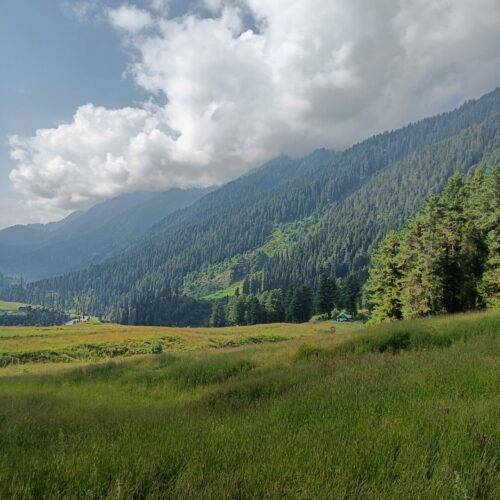
Hidden deep within the rugged mountains of eastern Kyrgyzstan, the Ala-Kul Lake Trek is one of Central Asia’s most spectacular high-altitude adventures. This unforgettable journey takes trekkers through lush alpine meadows, dramatic glacier-carved valleys, dense spruce forests, remote shepherd settlements, and mountain passes offering breathtaking panoramic views.

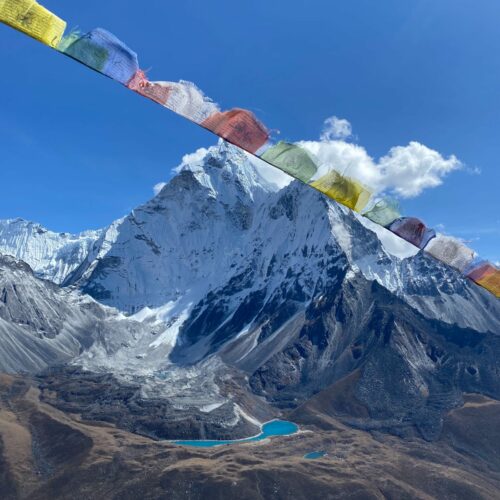
The highlight of the trek is undoubtedly Ala-Kul Lake, a striking turquoise alpine lake perched at approximately 3,550 metres above sea level. Surrounded by snow-capped peaks and rocky ridgelines, the lake changes colour throughout the day, creating one of the most photogenic landscapes in Kyrgyzstan.

Beginning near the famous red sandstone formations of Jeti-Oguz and finishing in the idyllic valley of Altyn Arashan, known for its natural hot springs, this trek perfectly combines adventure, wilderness, culture, and comfort.

Unlike many Himalayan routes, the Ala-Kul Trek offers an authentic mountain experience without crowds, making it ideal for travellers seeking raw beauty and genuine cultural encounters.

Highlights of the Ala-Kul Lake Trek in Kyrgyzstan:

  • Witness the stunning turquoise waters of Ala-Kul Lake
  • Cross high mountain passes above 3,900 m
  • Trek through the iconic Jeti-Oguz valley and red rock formations
  • Experience traditional Kyrgyz hospitality
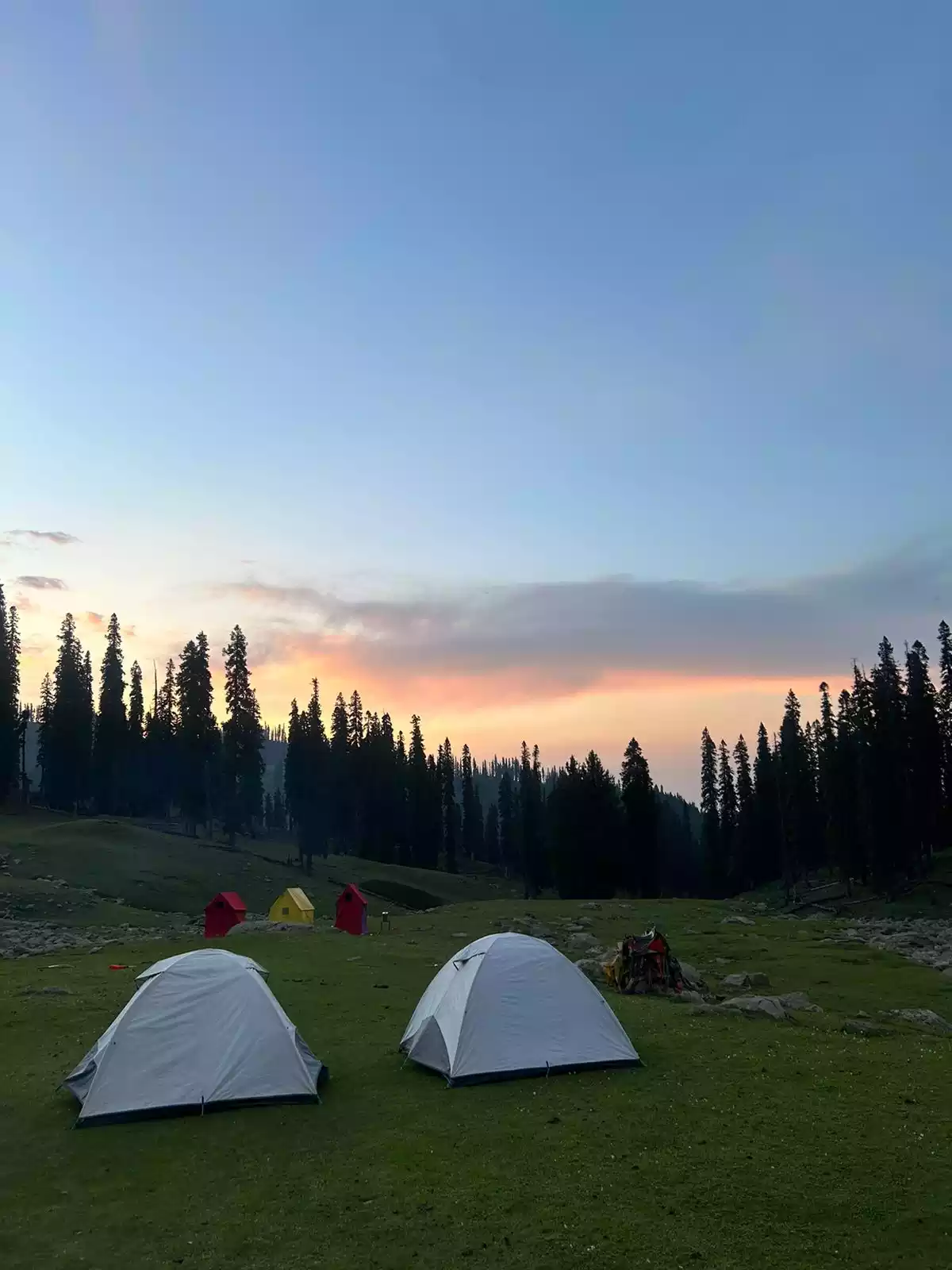
  • Camp amid spectacular alpine scenery
  • Relax in the natural hot springs of Altyn Arashan
  • Spot grazing horses, yaks, and nomadic settlements
  • Explore one of Central Asia’s most scenic trekking routes

What Makes Ala-Kul Trek Special?

Unlike many famous trekking destinations around the world, Ala-Kul remains refreshingly uncrowded. The route combines pristine wilderness, nomadic culture, glacial landscapes, and high-altitude adventure in a compact five-day journey.

The striking colour of the lake, created by mineral-rich glacial waters, contrasts dramatically against the surrounding peaks, making it one of the most beautiful alpine lakes in Central Asia.

For trekkers seeking something beyond the usual European or Himalayan routes, Ala-Kul offers an extraordinary blend of challenge, beauty, and discovery.

Accommodation

Throughout the trek, accommodations are carefully selected to provide a balance between comfort and authenticity.

In Bishkek and Karakol – Standard hotels/Mountain Guesthouse on twin sharing basis
During the Trek – Traditional Kyrgyz Yurts and High-altitude Campsites with Shared Facilities and Comfortable Sleeping Arrangements

This mix allows trekkers to experience local culture while staying immersed in Kyrgyzstan’s mountain environment.

Best Time to Trek to the Ala-Kul Lake

June to September is considered the ideal season for trekking to Ala-Kul Lake in Kyrgyzstan.

June

  • Snow-capped scenery
  • Cooler temperatures
  • Fewer trekkers

July & August

  • Peak trekking season
  • Stable weather
  • Wildflowers in bloom

September

  • Clear mountain views
  • Autumn colours
  • Crisp, pleasant temperatures

Upcoming Treks

No trek dates available.

Why Choose Us?

trekking

India's only adventure company led by Everest summitteers

experience

14+ years of Himalayan experience

Tripadvisor Travellers' Choice Awards

5-time Travellers' Choice Award Winners

protection

100% safety record

Register now for the Ala-Kul Lake Trek!

Send us an enquiry and we'll get back to you immediately

Brief Itinerary

  • Day 1. Arrival in Bishkek, Drive to Karakol (6 hours).
  • Day 2. Scenic drive from Bishkek to Karakol via Issyk-Kul Lake.
  • Day 3. Karakol - Jeti-Oguz - Telety Valley
  • Day 4.  Telety - Teleti Pass - Karakol Gorge
  • Day 5. Karakol Gorge - Ala-Kul Lake
  • Day 6. Ala-Kul - Ala-Kul North Pass - Altyn Arashan
  • Day 7. Altyn Arashan - Ak-Suu - Transfer to Karakol
  • Day 8. Drive from Karakol to Bishkek
  • Day 9. Sight seeing in Bishkek
  • Day 10. Fly out.

Inclusions & Exclusions

Trip Cost Includes:

Trip Cost DOES NOT Include:

Things to carry

Download as PDF

Extreme temperature variations, high altitude, snow glare & proximity to sun are certain factors which necessitate the need for proper mountaineering equipment. In order to enjoy your experience in the mountains, we have recommended that you carry the following with you.
Note: If you are unable to procure any of the mentioned items, then suitable arrangements will be made so that the same can be either bought or rented in Kathmandu based upon actuals. 

Apparel

  • Thermal Inners - At least 1 pair of Top and Leggings
  • 6 to 8 t-shirts or long-sleeve shirt (cotton / dryfit)
  • 2-3 pairs of trekking pants (no denim!)
  • 1 Sweater/Sweatshirt
  • 1 Fleece Jacket
  • 1 Down Jacket
  • 1 Waterproof Layer like raincoat or wind-cheater
  • 1 pair of hiking boots
  • 1 pair of comfortable sandals/floaters/sneakers
  • 8-9 pairs of cotton socks (for day)
  • 2 pairs of thick/woollen socks (for night)
  • Gloves - liner and outer
  • Sun hat
  • Woollen cap
  • Buff


Accessories

  • Duffel bag / Rucksack for off loading. Maximum 12 kgs allowed per trekker for porter and flight. 
  • Daypack / Backpack (20-30L capacity)
  • Sleeping bag (can be bought or rented in Kathmandu)
  • 2x 1L Bottles (to carry drinking water)
  • Torch + Batteries / Headlamp
  • Knee/Ankle/Wrist Guards
  • Trekking Poles
  • Sunblock
  • Sunglasses
  • Moisturiser
  • Hand Sanitiser
  • Personal Medical Kit
  • Personal Toiletries Kit and toilet paper
  • Trail snacks
  • Power bank 


Fitness

Download as PDF
  • There are three main aspects of training to focus on – strength training, cardiovascular training, and trekking + trekking alternatives.
     
  • Strength training involves training different muscle groups, so that they can become stronger. There are different exercises for each muscle group, and working them all out 2x-3x a week should be enough to help you get comfortable trekking.
     
  • Legs / lower body - exercises like squats, glute bridges, step ups and leg presses with help you develop stronger muscles in the lower body. 

    Core - Exercises like planks, bicycle crunches and leg raises can help with core stability; Pilates is also a core-intensive type of workout that will help.

    Upper body - Bodyweight exercises like push-ups, pull-ups and dips will help develop these muscles. You can also use resistance bands or light weights to develop them further.
     
  • It’s vital to do plenty of cardio training before your trek, so that you can get the most out of your experience
     
  • Running - This is the most recommended form of cardio activity, as it activates a lot of the same muscles as trekking. Being able to run 10km in 60 minutes will allow you to get the most out of your trek.

    Cycling / Swimming - If you have knee issues, or don’t enjoy running, you can also opt for cycling and swimming. Being able to cycling 30-50km or swim for 30-40 minutes, thrice a week, should be good to help you with treks like EBC.

    HIIT training / Crossfit - Another option to level up your cardio training is to opt for high intensity aerobic exercises like HIIT or Crossfit, 2-3 times a week
    The aim is to get your heart rate up, so you do not get winded on long days of trekking
     
  • Hiking
    Try to get outdoors and go for a hike on the weekends! Uphill trails of 4-8 kilometres are will help you get used to trekking. Make it a point to carry a loaded backpack, and walk in your trekking shoes.
     
  • Hiking Alternatives
    Climbing stairs, and using the treadmill or stairmaster on an incline, will help prepare you for treks. Make it a point to carry a loaded backpack so that you can get used to the extra weight; and use your trekking boots, so that you can break them in and walk comfortably.
     
  • If you’re confused with all this information, no need to worry! The most important thing with training is consistency, and staying injury-free. Your training week should ideally have
    Strength training - 3 sessions
    Cardio training - 3 sessions
    Hiking - 1 long session, best on the weekends
    Rest and stretching - at least 1 day

FAQs
Detailed Itinerary

Ala-Kul Lake Trek

Day 1. Arrival in Bishkek. Transfer to Hotel. Ovenight stay.

Arrive in Kyrgyzstan’s capital, Bishkek. Meet the Adventure Pulse team, explore the city, and attend a trek briefing. Overnight in a hotel.

Day 2. Drive from Bishkek to Karakol. Ovenight stay in a Hotel.

Drive along the shores of the stunning Issyk-Kul Lake to Karakol. En route, enjoy scenic mountain views and traditional Kyrgyz landscapes. Overnight in a Hotel/Guesthouse at Karakol.

Day 3. Karakol to Jeti-Oguz to Telety Valley

Drive Time: Approx. 30-40 minutes

Trek Distance: 13 km

Walking Time: 4-5 hours

Your adventure begins with a scenic drive from Karakol to the legendary Jeti-Oguz Valley, famous for its striking red sandstone cliffs and the iconic “Broken Heart” rock formation.

After a short introduction to the route, the trek starts through rolling pastures and summer grazing lands where local shepherds spend the warm season with their livestock. The trail gradually rises into the beautiful Telety Valley, with breathtaking mountain views accompanying you throughout the day.

Spend the night in a traditional camp setting surrounded by alpine landscapes.

Accommodation: Yurt Camp
Meals: Breakfast, Lunch & Dinner

Day 4. Telety Valley to Teleti Pass to Karakol Gorge

Trek Distance: 15 km

Walking Time: 6-7 hours

Highest Altitude: 3,792 m

Today’s climb takes you to Teleti Pass, one of the major crossings of the trek.

The ascent rewards trekkers with expansive views of the surrounding Terskey Ala-Too range. Snow patches may still be visible even during summer, adding to the dramatic scenery.

From the pass, the trail descends through flowering meadows and conifer forests into the impressive Karakol Gorge. Crystal-clear streams and towering spruce trees define the landscape.

Accommodation: Yurt Camp
Meals: Breakfast, Lunch & Dinner

Day 5. Karakol Gorge to Ala-Kul Lake

Trek Distance: 11 km

Walking Time: 4-5 hours

After breakfast, continue deeper into the Karakol Valley as the terrain becomes increasingly alpine.

The final approach to Ala-Kul Lake is steep but rewarding. As you gain elevation, the turquoise waters gradually reveal themselves, framed by rugged mountain walls and glaciers.

Spend the evening alongside one of Kyrgyzstan’s most celebrated natural landmarks. Sunset and sunrise at Ala-Kul are often considered among the most memorable moments of the entire trek.

Accommodation: Yurt Camp / Tent Camp
Meals: Breakfast, Lunch & Dinner

Day 6. Ala-Kul Lake to Ala-Kul Pass to Altyn Arashan

Trek Distance: 15 km

Walking Time: 7-8 hours

Highest Point: 3,906 m

Today is both the most challenging and the most rewarding day of the expedition.

A steep climb brings you to Ala-Kul Pass, the highest point of the trek. From the top, enjoy sweeping views across glaciers, remote valleys, and the vibrant waters of Ala-Kul below.

The descent leads into the spectacular valley of Altyn Arashan, a region famous for its lush grasslands, wooden mountain lodges, and naturally heated mineral springs.

In the evening, soak in the hot springs and let the warm waters rejuvenate tired muscles after an unforgettable day in the mountains.

Accommodation: Yurt Camp or Guesthouse
Meals: Breakfast, Lunch & Dinner

Day 7. Altyn Arashan to Ak-Suu and Return to Karakol

Trek Distance: 14 km

Walking Time: 4-5 hours

The final day follows forest trails and river valleys as you descend towards Ak-Suu village.

The route offers one last opportunity to appreciate Kyrgyzstan’s untouched mountain wilderness before a short transfer returns you to Karakol.

The trek concludes with memories of dramatic landscapes, challenging passes, and one of the most spectacular alpine lakes in Central Asia.

Meals: Breakfast, Lunch & Dinner

Day 8. Drive from Karakol to Bishkek.

Take a scenic journey back to Bishkek.

Day 9. Rest Day / Sightseeing in Bishkek.

Take rest or explore the city before you bid adieu to this beautiful country and head back home.

Day 10. Fly out from Bishkek.

Our team will drop you at the airport. Trip ends.

[bold_timeline_item_button title=”Expand” style=”” shape=”” color=”” size=”inline” url=”#” el_class=”bold_timeline_group_button”]

Premium Services

adv-icon

What sets us apart is not only the expertise we bring to the table, but also the quality of services provided on each trek! We know what it takes to climb mountains, whether you’re 6 or 60, and look forward to providing you with services you can’t get anywhere else.

tourism

Backpack offloading

youth

Small group size

cab

Group airport pick-ups and drops

caregiver

Personalised attention

What Our Clients Say

Inquire Now


    Select Trek Dates:


    TOP Chat with us