Kanamo Peak – The White Lady of Spiti

Kanamo Peak – Overview

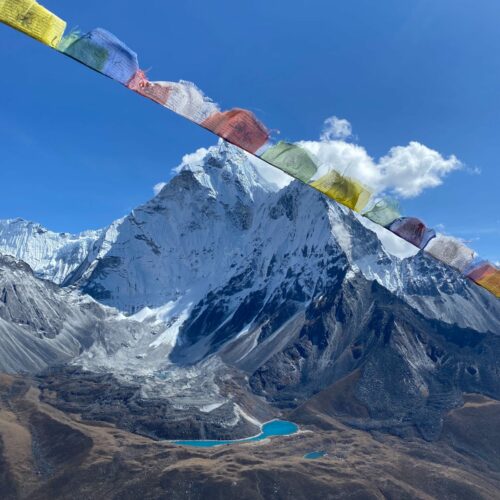
Kanamo Peak (5,974m) is one of the most iconic high-altitude trekking peaks in the Indian Himalayas, located in the remote and dramatic Spiti Valley of Himachal Pradesh. Towering above the villages of Kibber and Tashi Gang, Kanamo dominates Spiti’s cold-desert skyline and is often referred to as the “White Lady of Spiti” for its elegant, pyramid-shaped summit. Despite being classified as a trekking peak, Kanamo offers a true Himalayan summit experience, pushing climbers close to the 6,000-metre mark without requiring advanced technical climbing skills. The ascent is long, physically demanding, and mentally challenging, making it an ideal objective for trekkers ready to transition into high-altitude mountaineering.

What makes Kanamo Peak especially appealing is its unique balance of accessibility and seriousness. The trek begins from Kibber, one of the highest motorable villages in the world, allowing climbers to start already above 4,000 metres and making acclimatization more efficient. However, once you leave the village behind, the landscape becomes raw and unforgiving — vast brown mountains, glacial valleys, wind-swept plateaus, and endless ridgelines stretching toward the Tibetan plateau.

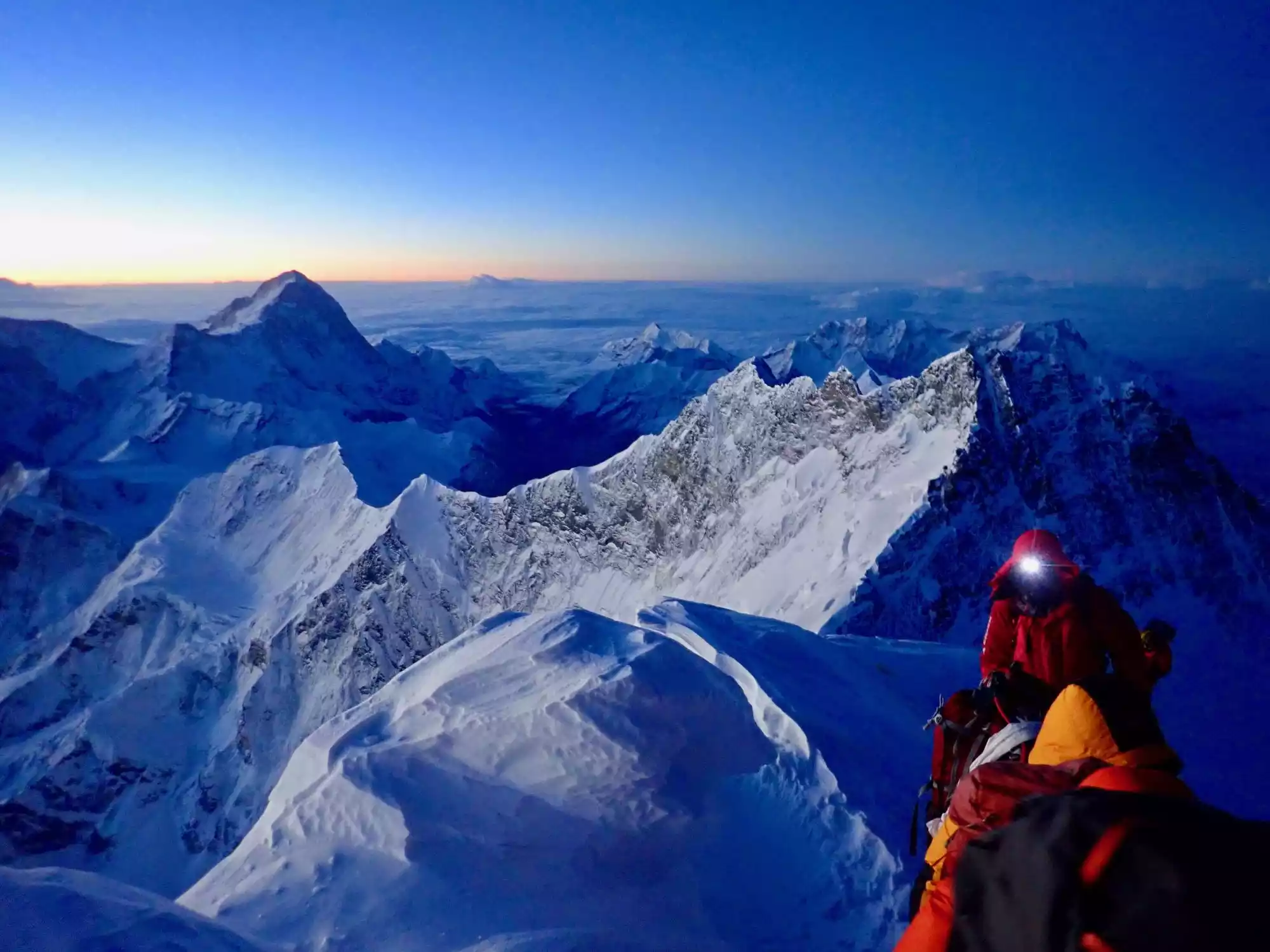
Reaching the summit at nearly 6,000 metres is a powerful achievement, offering sweeping 360-degree views of the Kinnaur–Spiti ranges, Chau Chau Kang Nilda, Shilla Peak, Parang La, and the distant peaks of Ladakh.

For many, Kanamo is not just a climb but a milestone — a first true Himalayan summit that builds the confidence and skills needed for bigger and more technical mountains ahead.

Why Kanamo Peak Belongs on Every Mountaineer’s Bucket List

Kanamo Peak is one of the few mountains in India that allows aspiring mountaineers to experience a complete expedition cycle in a short, efficient format. From expedition-style camps to early-morning summit pushes and long descent days, the climb mirrors the structure of larger Himalayan expeditions. This makes Kanamo an invaluable learning ground for anyone serious about progressing into technical mountaineering. You don’t just climb a mountain — you learn how real expeditions function.

What truly sets Kanamo apart is the way it trains climbers to operate in extreme altitude environments. The mountain forces you to master slow, deliberate movement, efficient breathing, nutrition management, and mental pacing over sustained hours above 5,000 metres. Every decision — when to push, when to rest, when to hydrate — directly impacts summit success. These are not just trekking skills; they are core expedition skills that become critical on peaks above 6,500 and 7,000 metres.

Kanamo is also a credibility-building summit. Among mountaineers, it is widely recognised as a serious high-altitude objective rather than a casual trek. Completing Kanamo demonstrates that you can function effectively at near-6,000-metre altitude, manage fatigue on long summit days, and maintain discipline in harsh mountain conditions. For many climbers, Kanamo becomes the gateway peak that unlocks future ambitions — whether that’s technical Himalayan peaks, 7,000-metre expeditions, or eventually the world’s great mountains.

Best time to climb Kanamo Peak

The climbing window for Kanamo Peak is short and highly seasonal due to its extreme altitude and remote location in Spiti Valley. For safe access, stable weather, and reliable summit conditions, expeditions are recommended only during the summer months.

Ideal climbing season: Mid-June to Mid-September

  • Late June to Early July: Classic alpine conditions with good snow cover on the upper slopes. Ideal for climbers who want a true snow climb experience, though temperatures are colder and strong acclimatization is essential.
  • Mid-July to August: The most stable and popular window with predictable weather, firmer snow, and easier movement on the route. Best suited for first-time peak climbers.
  • Early September: Fewer teams, excellent visibility, and crisp mountain air. Nights are colder and early snowfall may shorten the season.

Post Mid-September: Not recommended due to heavy snowfall, sub-zero temperatures, closed access roads, and unstable weather.

Why Acclimatization Matters on Kanamo Peak

Proper acclimatization is the single most important factor for a safe and successful Kanamo Peak ascent. The expedition involves a rapid gain in altitude — from Manali (2,050 m) to Kaza (3,800 m) in a single day, followed by Kibber (4,270 m), where the trek begins. From here, climbers move to Kanamo Base Camp (~4,600 m) before pushing toward a summit that rises to nearly 6,000 metres. This steep altitude progression in a relatively short number of days places significant stress on the body and makes a structured acclimatization schedule essential.

Dedicated acclimatization days, slow pacing, hydration, and short acclimatization hikes allow the body to gradually adapt to lower oxygen levels. Skipping or rushing this process greatly increases the risk of AMS (Acute Mountain Sickness), fatigue, and poor summit performance. Kanamo’s altitude is high enough that even fit trekkers can struggle without proper adaptation. A well-planned acclimatization strategy not only improves safety but dramatically increases summit success rates, making it the foundation of any responsible Kanamo Peak expedition.

Highlights of the Kanamo Peak Climb

  • A True Near-6,000 Metre Himalayan Summit
    Standing at nearly 6,000 metres, Kanamo offers one of the highest non-technical summits in India, delivering a genuine high-altitude mountaineering experience without the need for advanced climbing skills.
  • Classic Spiti Cold-Desert Landscape
    The climb unfolds through vast, barren valleys, wind-sculpted ridgelines, glacial bowls, and endless Himalayan horizons — a dramatic setting that feels more Tibetan than Indian.
  • Expedition-Style Summit Day
    A long pre-dawn start, sustained ascent over snow and scree, and a demanding descent make summit day a true test of endurance, discipline, and mental strength.
  • High-Altitude Learning Ground
    Kanamo is an ideal training peak for future expeditions, teaching altitude management, pacing, nutrition, hydration, and efficient movement in extreme environments.
  • 360° Himalayan Panorama from the Summit
    Sweeping views of Chau Chau Kang Nilda, Shilla Peak, Parang La, Pin Parvati Pass, and the greater Kinnaur–Spiti ranges make the summit one of the most rewarding viewpoints in the Indian Himalayas.

Upcoming Treks

No trek dates available.

Why Choose Us?

trekking

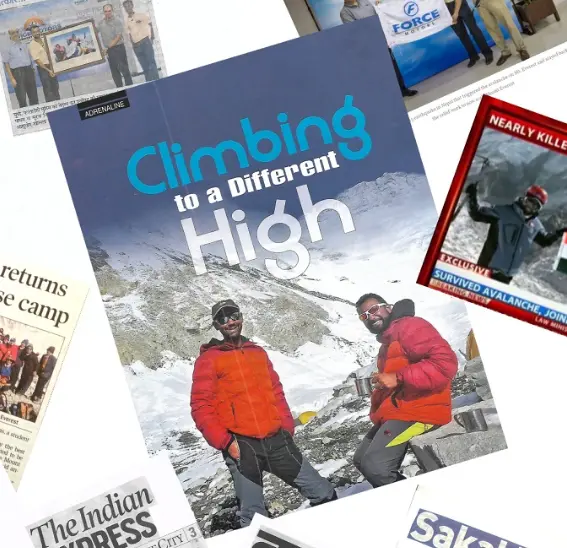
India's only adventure company led by Everest summitteers

experience

14+ years of Himalayan experience

Tripadvisor Travellers' Choice Awards

5-time Travellers' Choice Award Winners

protection

100% safety record

Register now for the Kanamo Peak (5974m)!

Send us an enquiry and we'll get back to you immediately

Brief Itinerary

  • Day 1: Manali → Kaza (long scenic drive through Rohtang & Kunzum Pass).

  • Day 2: Kaza → Kibber – acclimatization and village exploration.

  • Day 3: Kibber → Kanamo Base Camp.

  • Day 4: Acclimatization and rest at base camp.

  • Day 5: Summit Day: Base Camp → Summit → Base Camp (long day hike).

  • Day 6: Trek back to Kibber / Kaza.

  • Day 7: Return journey to Manali.

Inclusions & Exclusions

Trip Cost Includes:

  • All accommodation during the expedition
    (Hotels/guesthouses in Manali & Jispa and camping on twin-sharing basis during the climb)
  • All meals during the expedition (starting from Day 1 dinner to last day breakfast)
  • All ground transportation as per itinerary (Manali–Jispa–Base Camp–return)
  • Yunam Peak climbing permit and forest/environment fees
  • Experienced expedition leader, certified mountain guides, and trained support staff
  • High-altitude camping equipment: tents, sleeping mats, dining tent, toilet tent
  • Technical climbing equipment (group gear): ropes, snow bars, ice screws, carabiners, etc.
  • Basic mountaineering training (use of crampons, ice axe, rope techniques)
  • Medical kit and portable oxygen cylinder for emergency use
  • High-altitude safety & rescue support
  • Backpack offloading / load support up to specified weight (via porters/mules where applicable)

Trip Cost DOES NOT Include:

  1. Travel to and from Manali (flights, trains, or buses)
  2. Personal trekking / climbing gear (clothing, boots, crampons, ice axe, etc.)
  3. Personal expenses (tips, phone calls, laundry, bottled drinks, snacks)
  4. Meals during transit days or meals not mentioned in inclusions
  5. Personal medical insurance and high-altitude evacuation insurance
  6. Costs arising from unforeseen circumstances (weather delays, road blocks, natural calamities)
  7. Any services not specifically mentioned under inclusions

Things to carry

Download as PDF

Things to Carry for Kanamo Peak Expedition:

Apparel

  • Base layers (thermal top and bottom, quick-dry)
  • Fleece or insulating mid-layer
  • Heavy down jacket (expedition grade)
  • Waterproof and windproof outer shell
  • Waterproof trekking pants
  • Warm trekking pants
  • Quick-dry innerwear
  • Woollen socks (4–5 pairs)
  • Thermal socks (2 pairs)
  • Woollen cap or balaclava
  • Sun cap or hatInner gloves and insulated outer gloves
  • High-ankle trekking boots (well broken-in)
  • Gaiters (recommended for snow conditions)
  • Camp shoes or sandals

Accessories

  • Backpack (50–60 litres)
  • Daypack (20–30 litres)
  • Trekking poles
  • Crampons (if personally owned; group gear usually provided)
  • Ice axe (if personally owned)
  • Headlamp with spare batteries
  • UV-protected sunglasses (glacier category preferred)
  • Sunscreen (SPF 50 or above)
  • Lip balm with SPF
  • Personal toiletries
  • Quick-dry towel
  • Wet wipes and toilet paper
  • Water bottles or hydration bladder (2–3 litres capacity)
  • Personal medications
  • Basic personal first-aid kit
  • Diamox or altitude medication (only if prescribed)
  • ORS or electrolyte sachets
  • Government-issued ID proof (original and photocopy)
  • Passport-size photographs
  • Power bank
  • Mobile phone or camera
  • Personal snacks or energy bars (optional)


Fitness

Download as PDF

Participants should be comfortable trekking 6–8 hours a day with a daypack and be able to sustain slow, steady movement at altitude. The summit day involves a long ascent and descent on mixed terrain including moraine, snow patches, and steep sections, requiring good leg strength, balance, and endurance.

  • Cardio endurance: Running, brisk walking, cycling, stair climbing, or swimming (30–60 minutes, 4–5 times a week)
  • Leg strength: Squats, lunges, step-ups, wall sits, calf raises
  • Core strength: Planks, mountain climbers, leg raises
  • Balance & stability: Single-leg balance drills, controlled lunges, uneven surface training
  • Flexibility & mobility: Stretching routines or yoga to improve recovery and prevent injury
  • Trek-specific training: Weekend hikes with a backpack, stair climbing with load, back-to-back long workout days
  • Begin training 8–10 weeks before the expedition for best results.


FAQs

Kanamo Peak

Is Kanamo Peak suitable for beginners?

Yes, it is ideal for fit beginners with a decent amount of prior high-altitude trekking experience and good physical fitness and good introduction to mountaineering.

Is technical climbing experience required?

No advanced technical skills are needed, but basic comfort in walking on snow and endurance are essential.

What is the best time to climb Kanamo Peak?

The best season is mid-June to mid-September, when weather conditions are most stable.

How difficult is the climb?

The climb is physically demanding due to altitude and long summit day but technically non-complex.

How many days does the expedition take?

Most Kanamo Peak expeditions are completed in 5–7 days, including acclimatization.

<< 1 >>


Detailed Itinerary

Day 1

Manali → Kaza (3,800 m)

Begin the journey with a spectacular drive from Manali through the Atal Tunnel, over Kunzum Pass, and into the heart of Spiti Valley. The landscape shifts dramatically from green valleys to stark cold desert as you cross into the trans-Himalayan region. Arrive in Kaza by evening and rest to begin your acclimatization.

Day 2

Kaza → Kibber (4,270 m) – Acclimatization Day

A short drive takes you to Kibber, one of the highest inhabited villages in the world and the starting point of the Kanamo expedition. Spend the day acclimatizing with gentle walks through the village and surrounding ridgelines. This day is crucial for adapting to the sudden gain in altitude before heading higher.

Day 3

Kibber → Kanamo Base Camp (4,600 m)

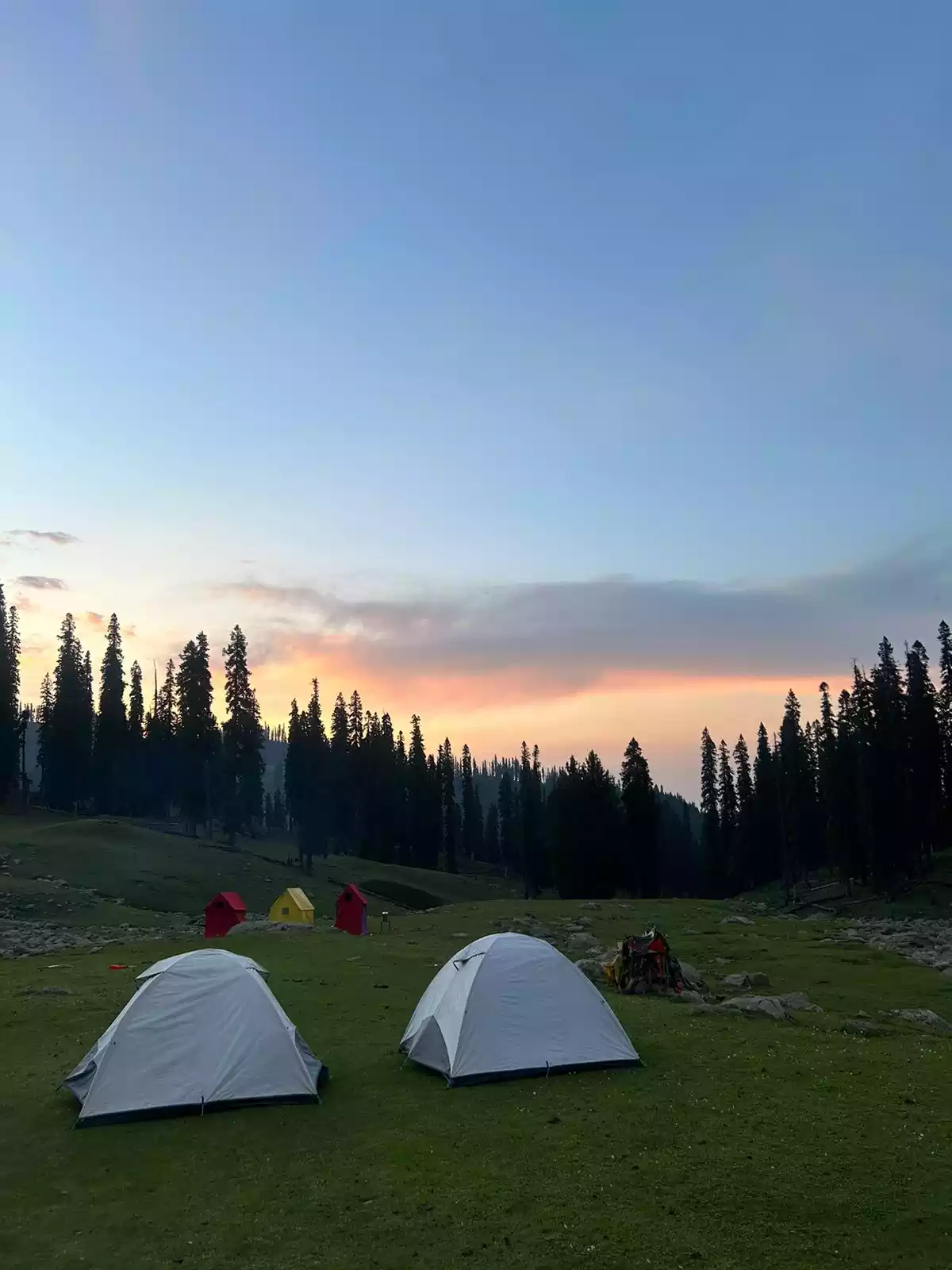
Begin the trek from Kibber, gradually ascending through open slopes and glacial terrain toward Kanamo Base Camp. The trail is steady but demanding as you gain altitude in thin air. Camp is set in a high-altitude basin surrounded by towering peaks and sweeping ridgelines.

Day 4

Acclimatization & Rest at Base Camp

A full day is dedicated to acclimatization and recovery at base camp. Short hikes and load carries help your body adapt to altitude while conserving energy for summit day. The focus is on hydration, nutrition, and mental preparation for the long climb ahead.

Day 5

Summit Day — Base Camp → Kanamo Peak (5,974 m) → Base Camp

Start before dawn for a long and demanding summit push over snowfields, scree, and high ridgelines. The ascent is slow and steady as you battle altitude and fatigue, with breathtaking views unfolding as the sun rises. After reaching the summit, descend carefully back to base camp for a well-earned rest.

Day 6

Base Camp → Kibber → Kaza

Descend from base camp back to Kibber, retracing your route through the stark Spiti landscape. The trek is easier on the lungs but demanding on the knees after summit day. Drive onward to Kaza for a comfortable night of recovery.

Day 7

Kaza → Manali

Begin the return journey to Manali, crossing Kunzum Pass once again and re-entering the green valleys of Himachal. The dramatic transition from cold desert to alpine forests marks the end of the expedition. Arrive in Manali by evening, concluding the Kanamo Peak journey.

[bold_timeline_item_button title=”Expand” style=”” shape=”” color=”” size=”inline” url=”#” el_class=”bold_timeline_group_button”]

Premium Services

adv-icon

What sets us apart is not only the expertise we bring to the table, but also the quality of services provided on each trek! We know what it takes to climb mountains, whether you’re 6 or 60, and look forward to providing you with services you can’t get anywhere else.

tourism

Backpack offloading

toilet

Western style bio-toilet

guide

3:1 guide ratio

camping

Extra Spacious Tents

youth

Small group size

cab

Group airport pick-ups and drops

outside

Premium dining tents

caregiver

Personalised attention

What Our Clients Say

Inquire Now


    Select Trek Dates:


    TOP Chat with us